
THE COMPLETE MACHINE DIRECTORY
Find the line.
Start with the profile.
Explore twenty equipment families, from building profiles to coil processing. Compare the material, tooling and production questions behind each configuration.
Explore machine families ↓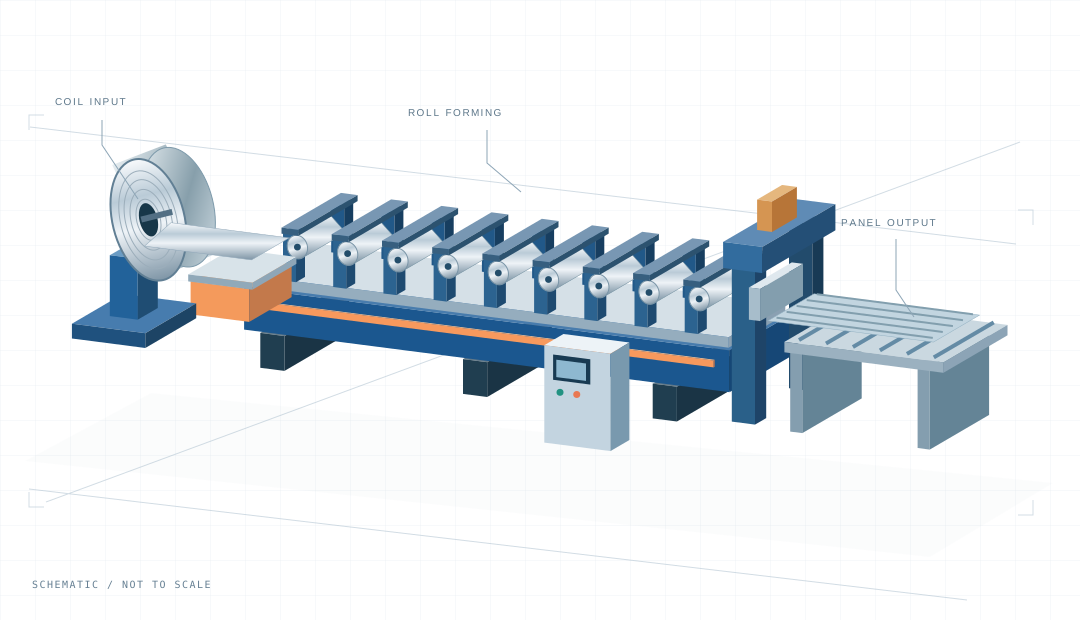
20 FAMILIES / ONE DIRECTORY
What do you want to make?
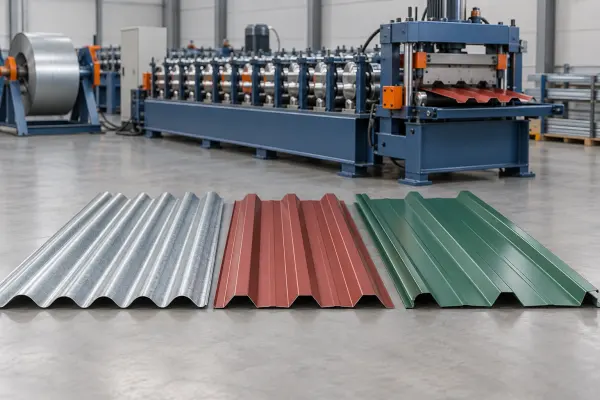 01 / MACHINE FAMILYRoof & wall panels
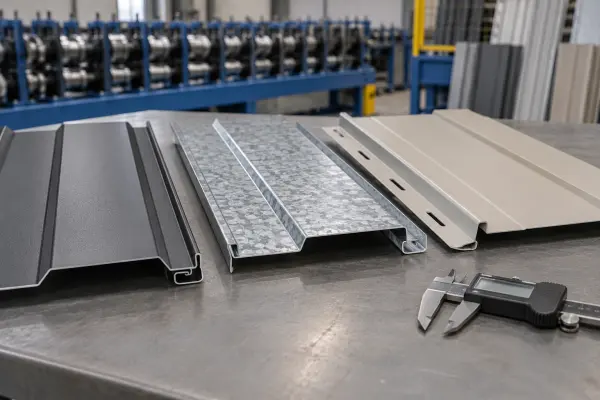 02 / MACHINE FAMILYArchitectural cladding
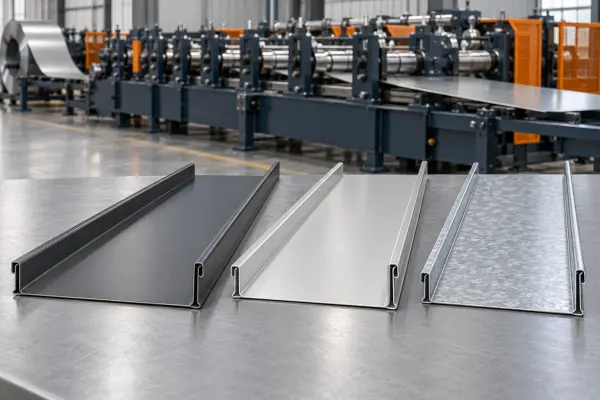 03 / MACHINE FAMILYStanding seam roofing
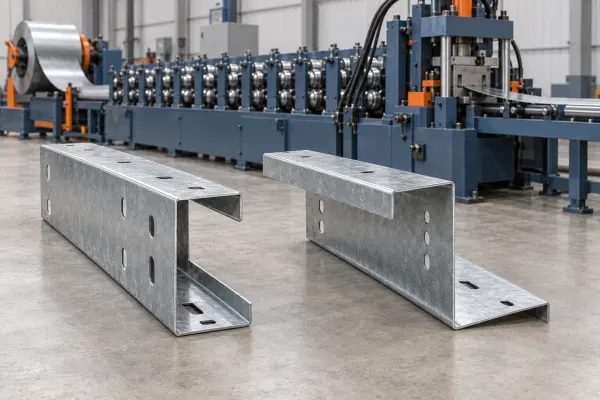 04 / MACHINE FAMILYPurlins & structural channels
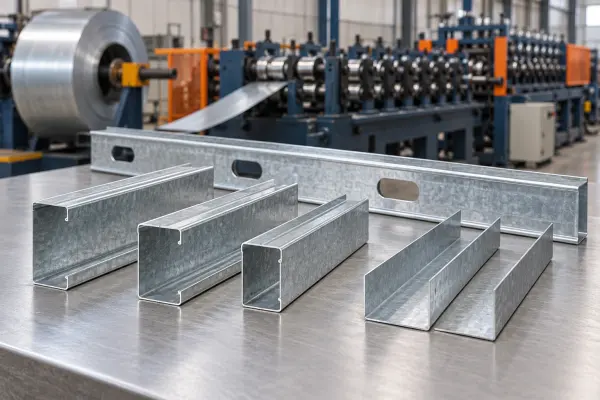 05 / MACHINE FAMILYStud, track & steel framing
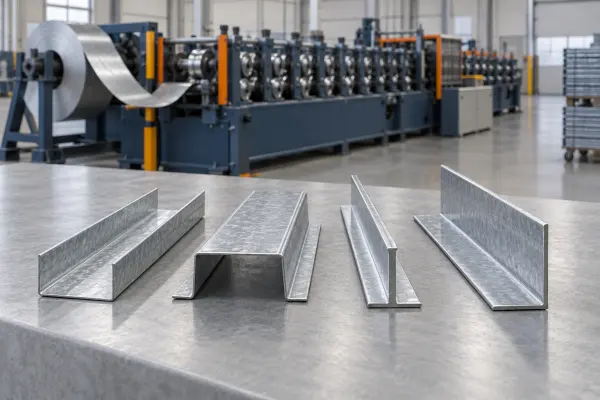 06 / MACHINE FAMILYCeiling & furring systems
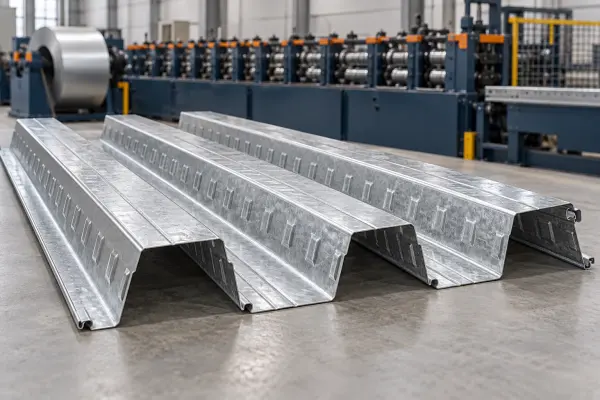 07 / MACHINE FAMILYMetal decking
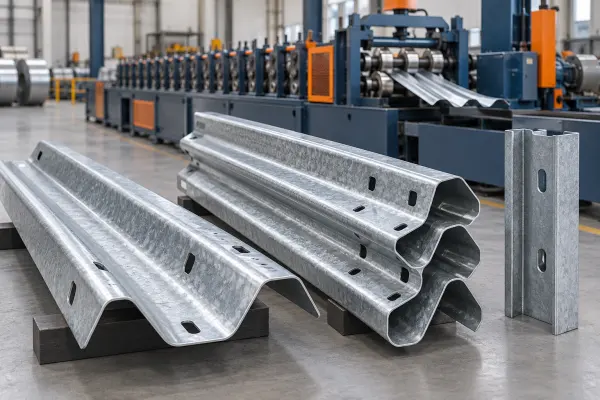 08 / MACHINE FAMILYRoad barrier profiles
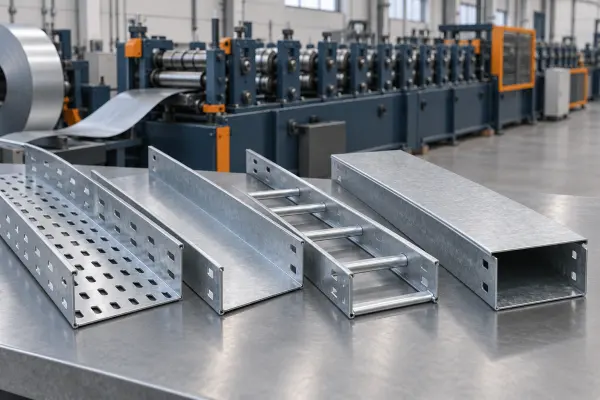 09 / MACHINE FAMILYCable management
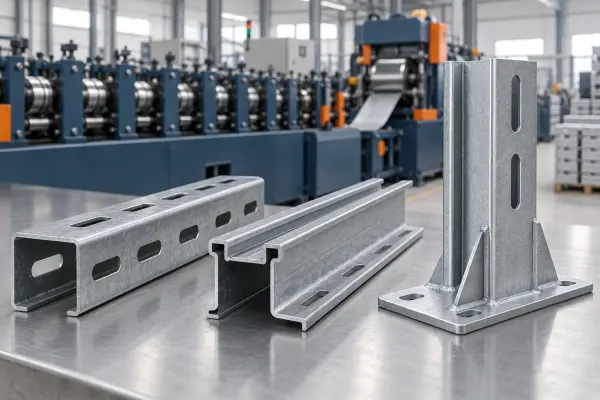 10 / MACHINE FAMILYSolar mounting
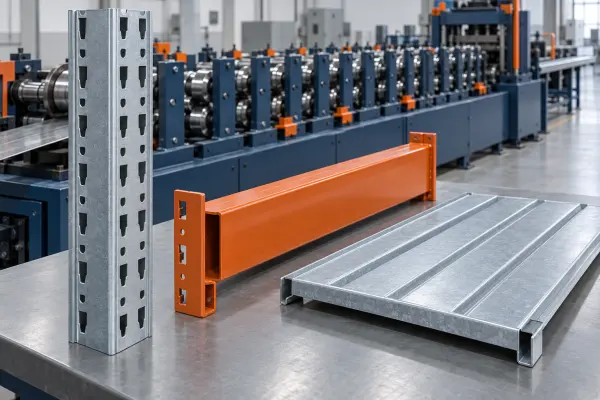 11 / MACHINE FAMILYStorage & racking
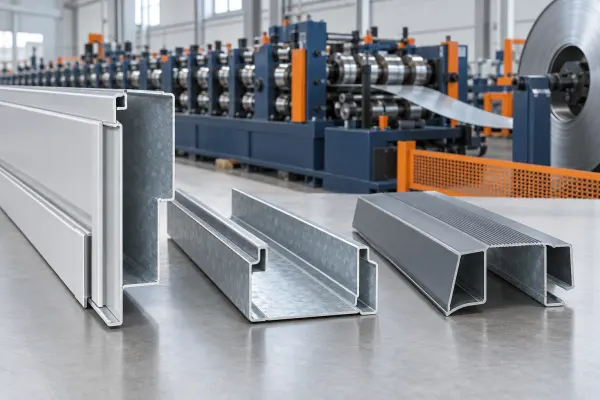 12 / MACHINE FAMILYDoors & windows
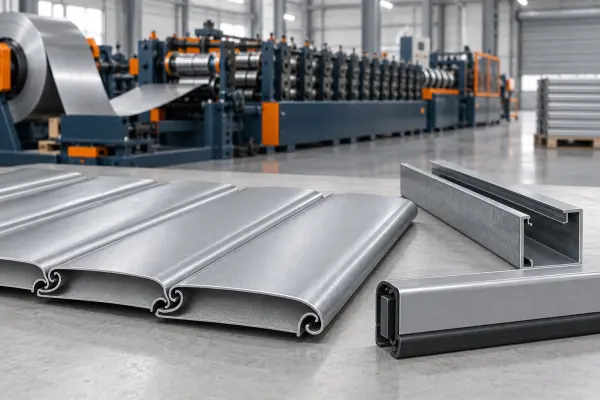 13 / MACHINE FAMILYShutters & sectional doors
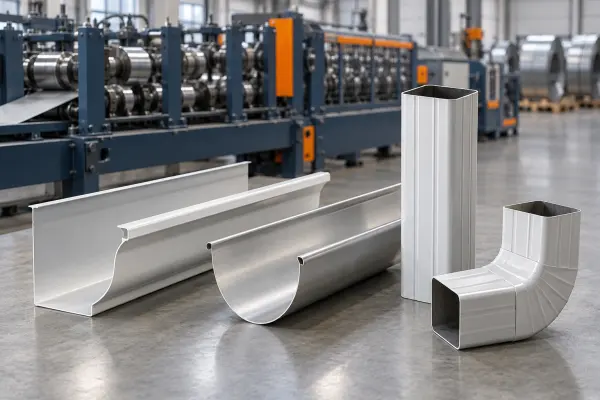 14 / MACHINE FAMILYRainwater goods
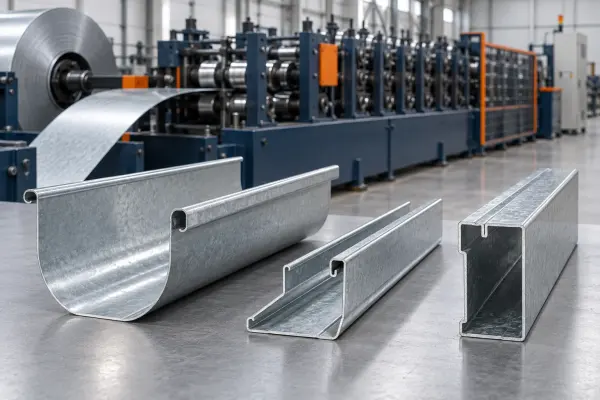 15 / MACHINE FAMILYGreenhouse systems
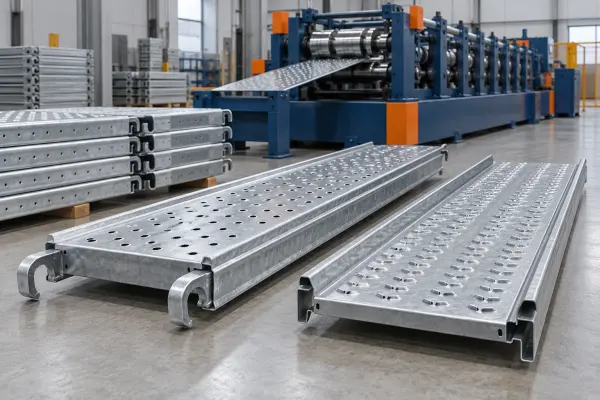 16 / MACHINE FAMILYScaffold components
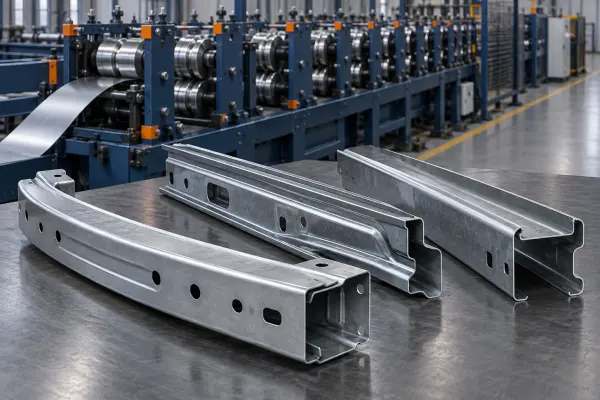 17 / MACHINE FAMILYAutomotive profiles
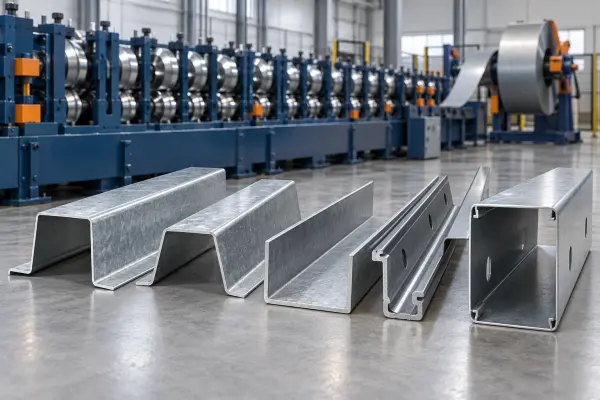 18 / MACHINE FAMILYCustom industrial profiles
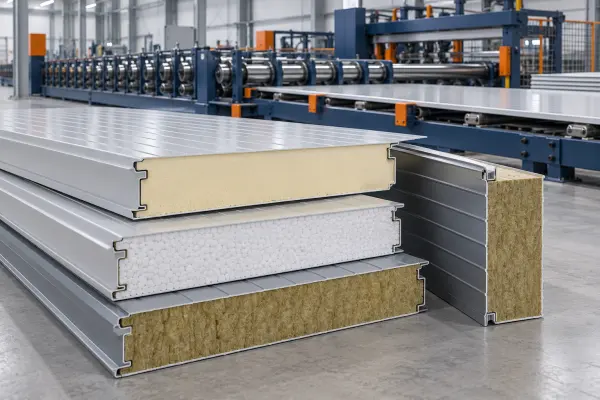 19 / MACHINE FAMILYInsulated panel lines
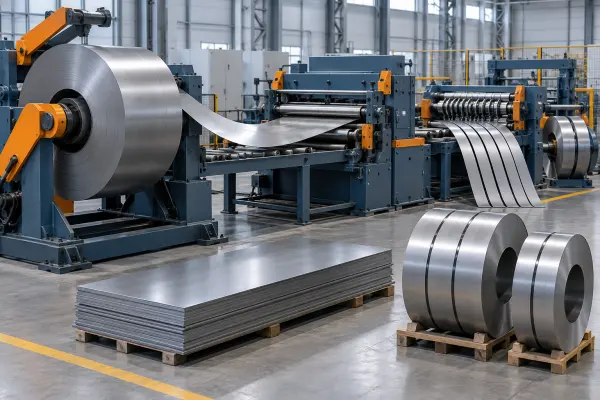 20 / MACHINE FAMILYCoil processing
Use the finished component to choose a machinery family. A roof sheet, load-bearing member, enclosure and precision industrial section can require different forming sequences even when the input material looks similar. The directory links each family to product types, profile variants and practical selection questions.
Begin with the part and its interfaces
Identify the cross-section, material and cut length. Add the features that connect it to the next component: panel laps, standing seams, screw flanges, bolt holes, lid returns or end notches. These interfaces often decide the tooling and inspection scope more clearly than the broad profile name.
Separate continuous forming from the surrounding operations
List what enters and leaves the proposed line. Coil preparation, perforation, welding, curving, assembly and packaging may need equipment beyond the forming mill. A sandwich-panel route includes operations that a single-skin panel line does not, while a cable ladder needs more than side-rail production.
Compare your real order mix
A dedicated profile line and an adjustable system solve different workload problems. Compare the number of profiles, batch sizes, material changes and first-good-part recovery. Ask how the stated production output accounts for punching, cutting, unloading and setup.
Prepare the next discussion
Choose the closest family above, then read its specific product pages. Bring a controlled drawing, representative coil information, required secondary features and an acceptance checklist to the comparison. The downloadable production brief helps keep these requirements together.