
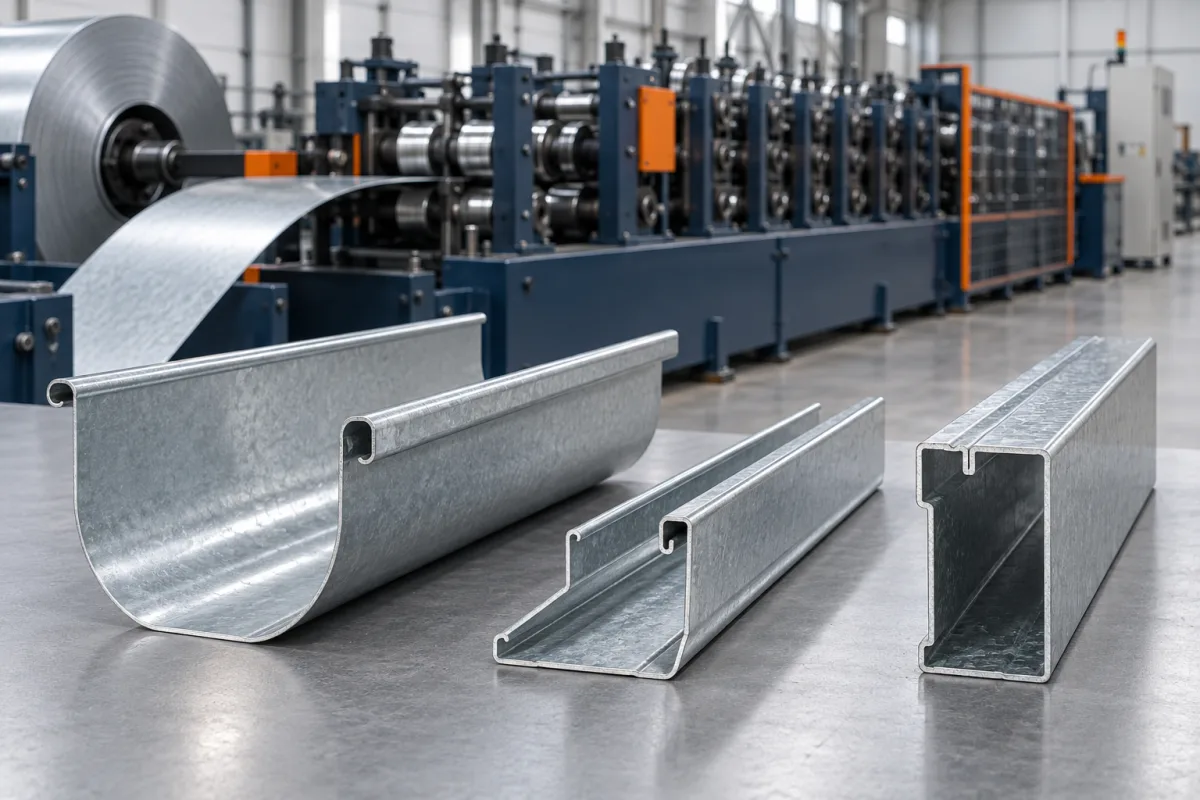
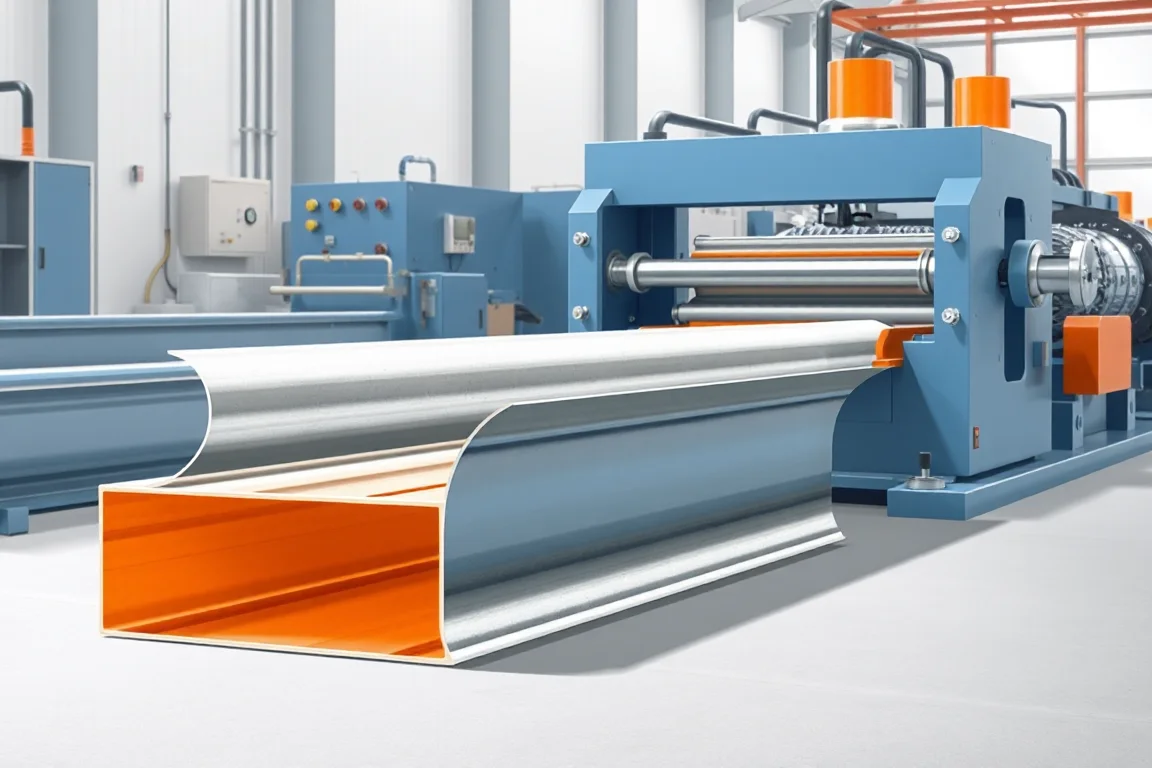
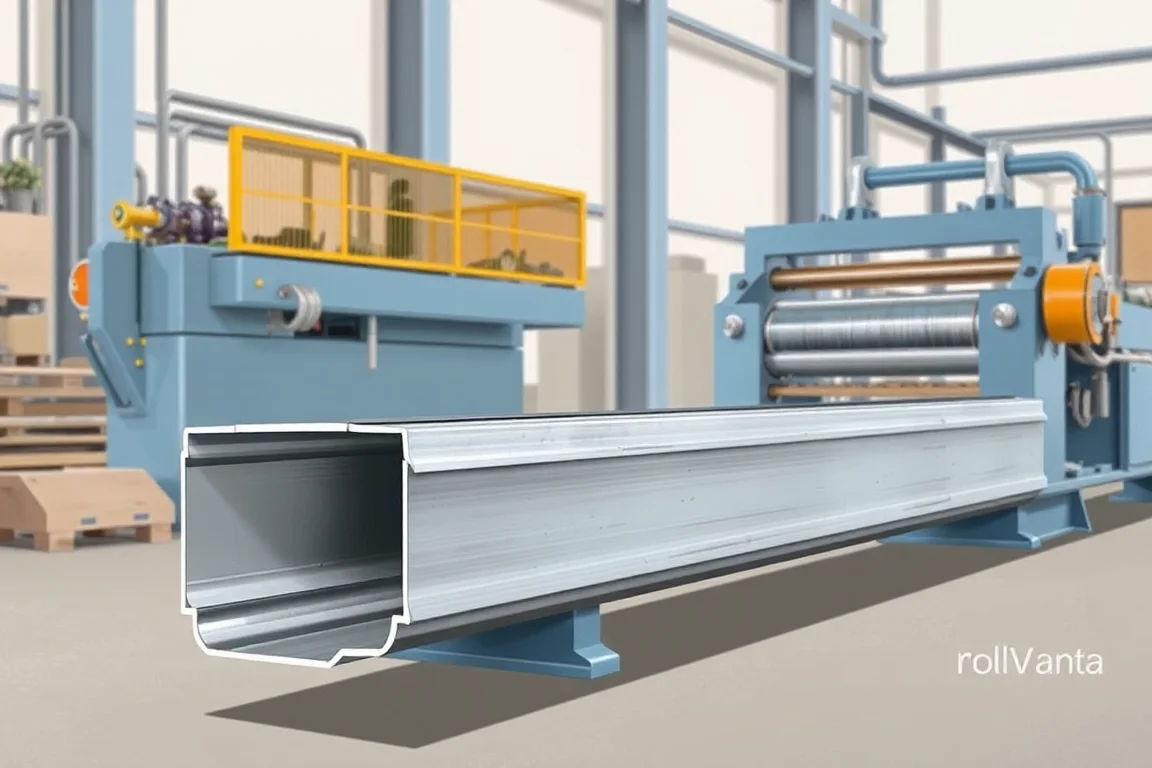
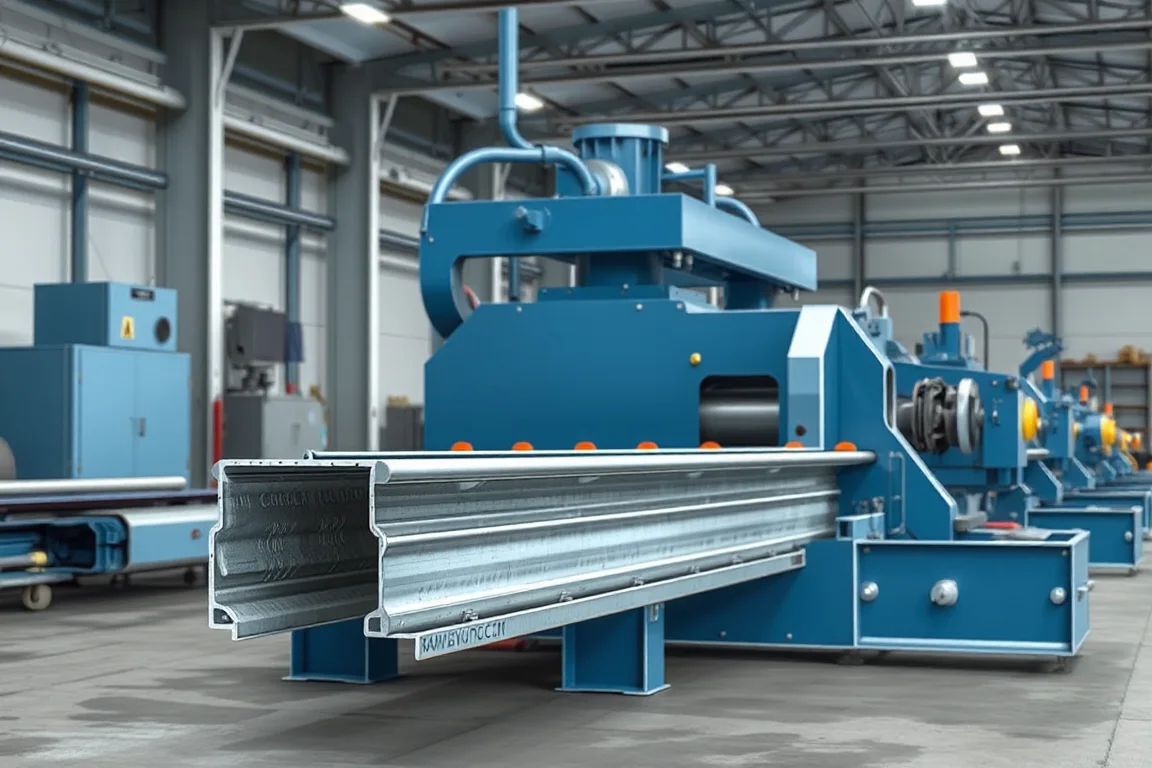
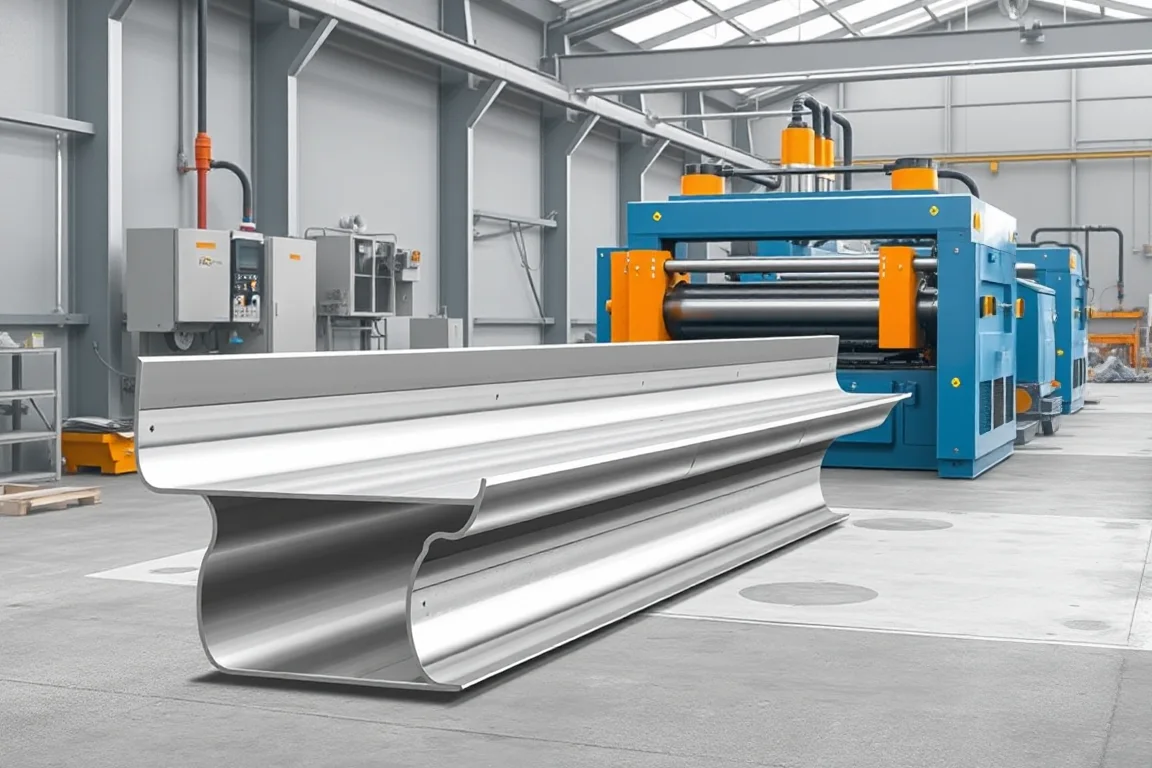
Greenhouse roll forming equipment serves several distinct systems inside and around the structure. Gutters, film-locking channels, structural posts and cultivation-related components have different functions and interfaces. A part's use in a greenhouse does not by itself define its manufacturing process or make every greenhouse product suitable for metal roll forming.
Identify the actual role of the component
Start with its position in the assembly and the parts that connect to it. Film-retaining channels need the specified locking wire and film arrangement. Structural members need connection drawings. Drainage gutters need their profile and fitting details. Cultivation equipment may use materials and processes different from metal structural products.
- Greenhouse Gutter: review the actual drainage or structural role and interfaces.
- Greenhouse Channel: distinguish film retention, supports and other channel functions.
- Greenhouse Post: define the section, ends and complete fabrication route.
- Hydroponic Gutter: establish the construction and material before choosing a process.
Keep metal forming distinct from plastic-profile manufacture
A metal gutter or channel and a plastic cultivation channel may share a broad commercial description while needing entirely different equipment. Supply the finished-product drawing and material specification. Do not select a metal roll former solely because an online product name includes gutter.
Also identify whether the intended part has a constant section or substantial end and local features. Cutting, holes, joining and other fabrication can remain necessary after the main forming operation.
Specify the functional interface
For film retention, provide the locking component and the required contact-edge condition. For crop supports or guide rails, identify the clips, wires, trolleys or rollers. For posts and purlins, use the connection references from the structural design.
A generic outside width is not a complete specification for these interfaces. Use drawings and representative mating samples to establish fit. Similar-looking channels can differ at the exact feature that matters to the greenhouse system.
Review material, coating and later processing
State grade, thickness and the required finishing route for each metal component. Exposure and service requirements belong to the component design. Inspect the supplied part after the specified processing, including relevant cut edges and contact surfaces.
Where a cultivation product contacts the growing environment or process fluids, obtain the appropriate material and product requirements rather than inventing suitability from the machine category. The forming process alone does not establish those properties.
Trial the complete component arrangement
Assemble the intended locking wire, bracket, moving part or structural connection with a finished sample. Check the interface after cutting and handling. Record sharp-edge, alignment or engagement issues without locally modifying parts to conceal deviations.
Use controlled support conditions for long members when assessing geometry. The greenhouse system's loads and installation requirements remain separate from a machine trial that demonstrates the manufactured section.
Compare routes by usable finished output
Define which holes, ends and joining operations are included in each proposal. Count accepted complete parts over the real length and feature mix. A plain-channel run cannot demonstrate the output of every greenhouse component family.
Prepare the component drawings, material requirements, mating references, finishing route and typical orders. The pages below help separate drainage, retention, structure and cultivation functions so the equipment decision follows the actual product rather than a shared greenhouse label.
Continue your research
- Greenhouse Gutter Roll Forming Machine
- Greenhouse Channel Roll Forming Machine
- Greenhouse Post Roll Forming Machine
- Hydroponic Gutter Roll Forming Machine
- Greenhouse Film Locking Channel Machine
- Greenhouse Crop Support Channel Machine
- Greenhouse Purlin Roll Forming Machine
- Greenhouse Steel Column Roll Forming Machine
- Greenhouse Guide Rail Roll Forming Machine
- How Greenhouse roll forming machine Works
- How To Choose a Greenhouse roll forming machine
- Greenhouse roll forming machine Price: What Affects the Cost?
- Materials and Thickness for Greenhouse roll forming machine
- Production Speed and Output of Greenhouse roll forming machine
- Roller, Tooling and Forming Design for Greenhouse roll forming machine
- Common Defects and Troubleshooting for Greenhouse roll forming machine