
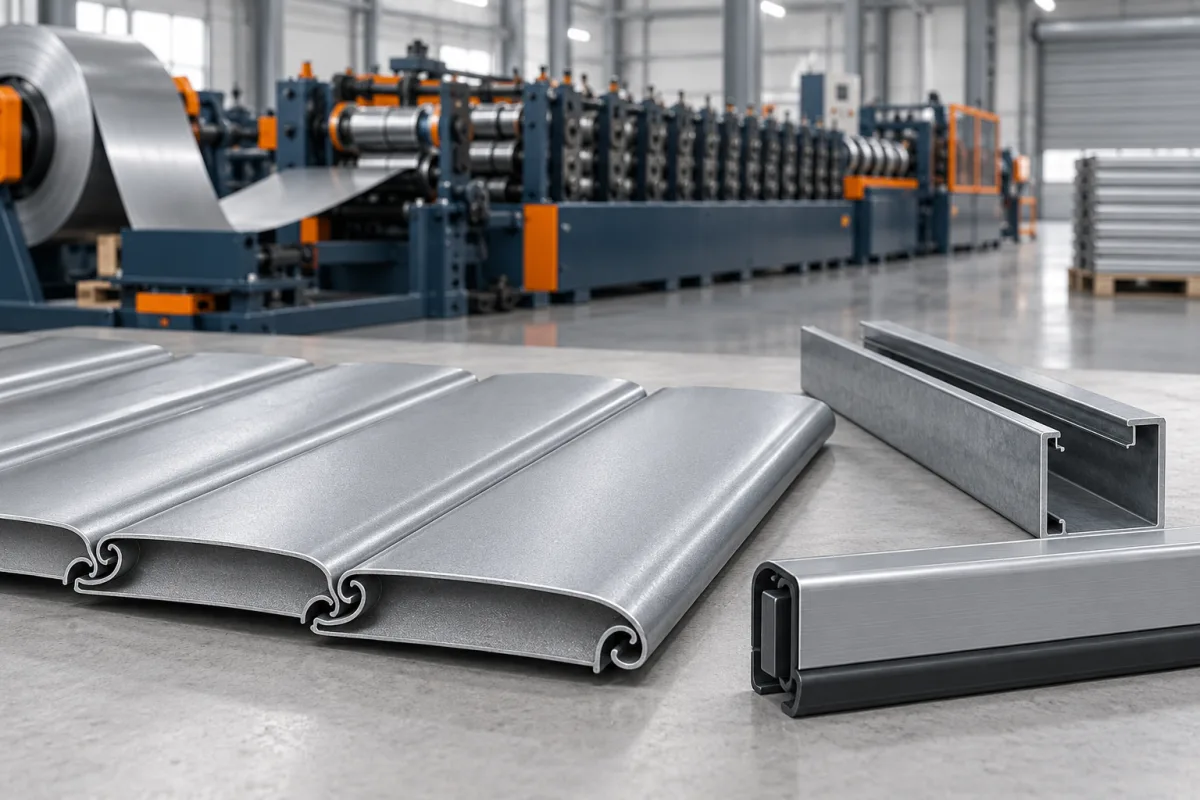
Shutter and garage-door equipment serves different curtain and panel constructions. A roll-formed shutter slat, its guide rail, a bottom bar and an insulated sectional-door panel are not produced by one universally interchangeable route. Define the assembled door components first, then select the forming, feature-making and additional processes required for each.
Separate the components of the door system
Shutter slats need compatible interlocking edges and retention details. Guide rails provide the intended running and restraint interface. Bottom bars connect to the curtain and associated seals or fittings. Garage-door panels can introduce a sandwich construction, hinged joints and reinforcement requirements.
- Shutter Slat: compare face form, hooks, perforations and filling where specified.
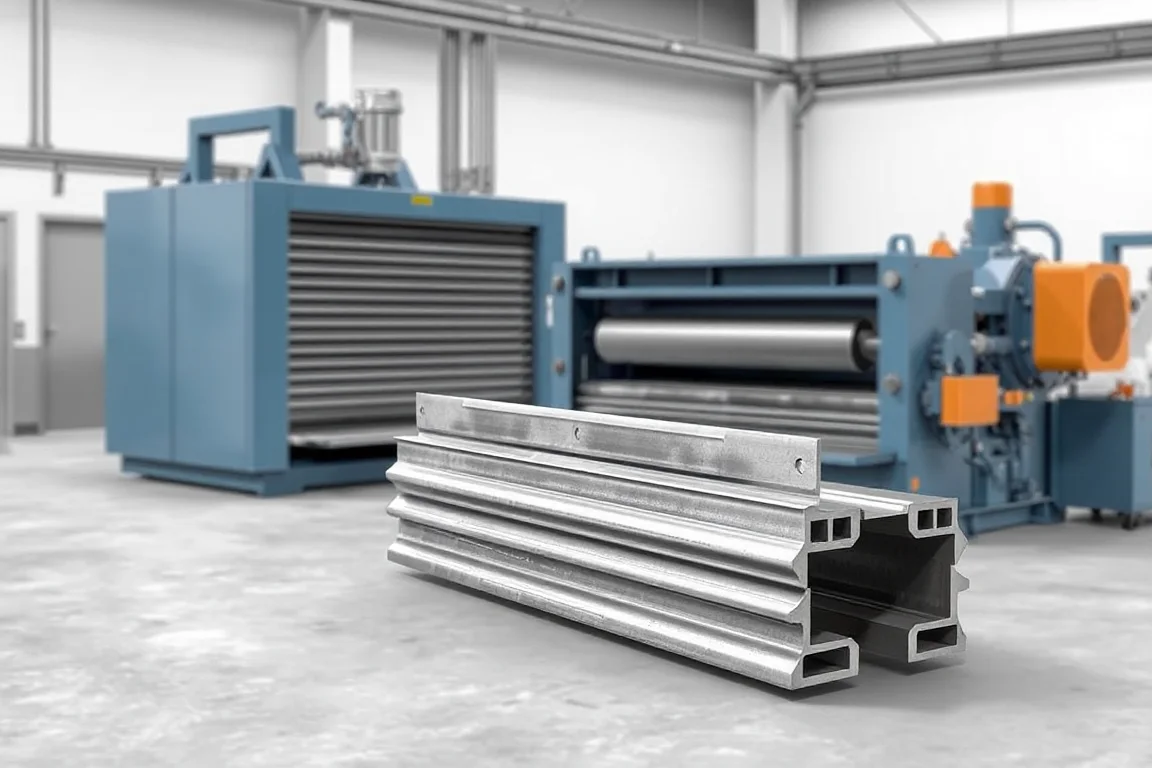
- Guide Rail: define the actual curtain or roller interface and mounting features.
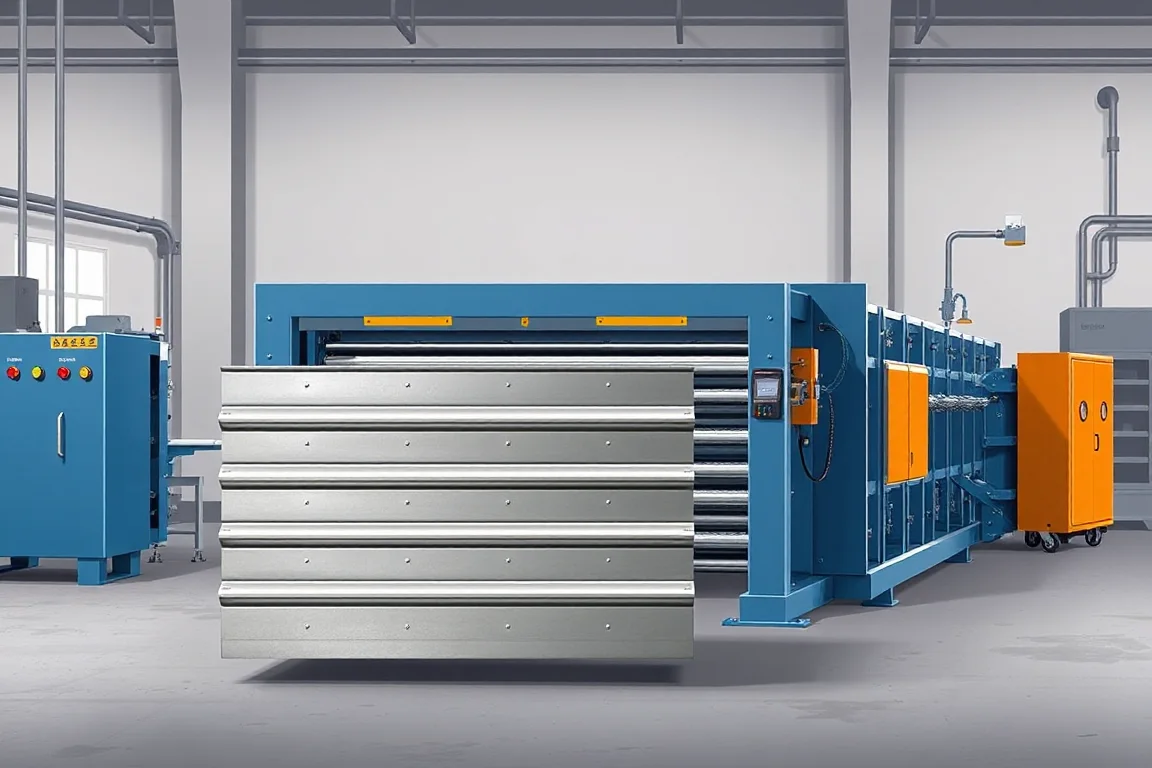
- Garage Door Panel: coordinate facings, core, panel joint and hardware.
- Bottom Bar: review the curtain connection, end fittings and sealing arrangement.
Specify the interfaces that control operation
Provide drawings of adjoining slats, guides, end retention and any seals. Interlocking edge dimensions should be checked through representative assembly rather than as unrelated measurements. A slat that looks correct individually can still bind or nest incorrectly in a curtain.
For sectional panels, identify hinge, joint and reinforcement details alongside the basic panel construction. A flat wall-panel process should not be assumed to deliver the required garage-door product without additional work.
Map forming and additional processes
List punching, perforation, filling, bonding, end work and joining where applicable. Clarify whether the quoted line produces an empty shell, a filled slat, a straight guide or a completed panel. These are different equipment boundaries.
Where chemical or adhesive systems are involved, use the selected suppliers' controlled requirements for processing, utilities and safe handling. Metal-profile formation alone does not establish a complete filled or insulated product route.
Use material and finish trials that match the product
Specify grade or alloy, thickness and coating, together with any core or filling system. Tight hooks, perforated areas and exposed faces require distinct inspection. Use production-intent materials rather than assuming an unfinished sample represents the saleable component.
Keep contact marks from forming separate from damage introduced by assembly or packing. Inspect cut ends and functional edges after normal discharge. A successful roll-forming result can be spoiled before the part reaches the door assembly.
Test the assembled movement and fit
Trial several connected slats with intended guides or retention components, following the specified system arrangement. For sectional panels, use representative hinges, seals and mating edges. Record unexpected binding or local modification rather than hiding it in a final display sample.
Door-system performance depends on the complete design and relevant validation. The production trial confirms the component geometry and manufacturing result; it does not independently establish wind, thermal, security or other system ratings.
Compare accepted complete products
Measure output at the stage actually supplied to the customer. Filling, curing, punching, end work and assembly can constrain the route beyond the former's strip speed. State the construction, lengths and included operations for each trial.
Prepare the component drawings, material and core requirements, mating samples, variant list and order pattern. The pages in this category explain the distinct routes so an equipment proposal can be matched to the actual shutter or door product rather than its general market name.
Continue your research
- Roller Shutter Slat Roll Forming Machine
- Rolling Shutter Guide Rail Roll Forming Machine
- Garage Door Panel Roll Forming Machine
- Shutter Door Bottom Bar Roll Forming Machine
- Flat Roller Shutter Slat Roll Forming Machine
- Curved Roller Shutter Slat Roll Forming Machine
- Perforated Roller Shutter Slat Machine
- Insulated Roller Shutter Slat Machine
- How Roller shutter roll forming machine Works
- How To Choose a Roller shutter roll forming machine
- Roller shutter roll forming machine Price: What Affects the Cost?
- Materials and Thickness for Roller shutter roll forming machine
- Production Speed and Output of Roller shutter roll forming machine
- Roller, Tooling and Forming Design for Roller shutter roll forming machine
- Common Defects and Troubleshooting for Roller shutter roll forming machine