
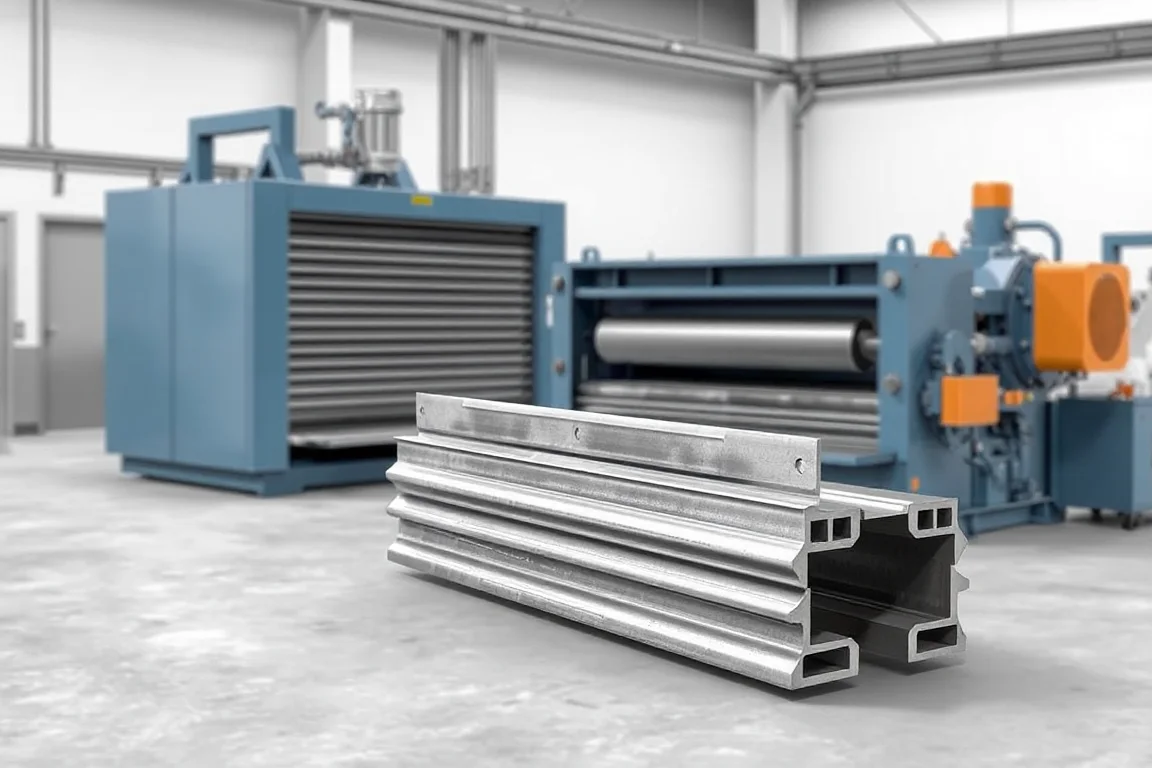
A shutter door bottom bar roll forming machine produces the lower member that completes a specified rolling curtain. The bottom bar connects with the curtain above and can accommodate a seal, locking components or other features defined by the door design. Its section is therefore different from the repeated slat and should be specified independently.
The equipment project needs to identify whether the bar is a single formed profile or an assembly of multiple members and inserts. A machine that produces one metal shell may leave joining, seal installation and end preparation outside its supply. Those boundaries should be clear before comparing packages.
What functions belong to the selected bottom bar?
The design defines how the member terminates the curtain, relates to the guides and meets the opening at the bottom. Some constructions include a separate seal or hardware interface; others use different details. Do not infer one universal arrangement from the bottom-bar name.
Provide the curtain connection and completed bar assembly drawing. A heavy-looking profile is not automatically suitable for another shutter, and a matching overall width does not prove the top connection or guide-end fit is correct.
Which geometry should control the tooling?
- Connection with the lowest repeated slat or curtain element.
- Main bar section and any separate mating profile.
- Seal channel, groove or retention detail where required.
- Lock, handle or other specified hardware interfaces.
- End fittings and guide relationship.
- Material, finish, length and end condition.
Show the assembled relationships as well as the loose components. This reveals internal clearances and contact surfaces that a simple outline drawing can omit.
How does bottom-bar production differ from slat production?
A repeated slat is optimized for its interlock and curtain articulation, while the bottom member has a distinct termination and contact role. Its material, section and local features can be different. A slat former may need a separate tool configuration or another route to make it.
If one machine is proposed for both products, identify every change in rolls, guides, feature tools and cutoff support. Include the assembly stages for the completed bottom bar. Sharing a door application does not establish a simple one-command conversion.
What is the manufacturing sequence?
The route guides the strip, develops the section and functional edges, produces required features and cuts the ordered length. A multi-piece construction then needs its specified joining and insert operations. The actual sequence depends on the design and equipment.
- Confirm the released bottom-bar configuration and material.
- Guide the strip and perform required feature-making.
- Develop the main section, curtain connection and seal-related edges.
- Cut and prepare the ends.
- Join mating components or install required inserts.
- Inspect the completed bar and its interfaces.
- Identify and pack it with the correct shutter order.
A formed blank should remain distinguishable from a finished bar awaiting dispatch. This prevents missing hardware or seal work from being hidden in a simple piece count.
How should material and surface finish be reviewed?
Specify grade or alloy, thickness, input width and finish for each component. The selected construction can place different demands on bends, joints and handling than the repeated slat. Do not assume that using the same material as the curtain is always the approved choice.
Inspect visible and functional surfaces with actual production material. Where finishing occurs after forming or joining, check the bar in its intended final condition. Coating and assembly can influence seal retention or hardware fit.
Retain material identity through the complete route. If a later batch changes shape or assembly behavior, compare stock, setup, joining and finish against the accepted reference before changing the tools.
What should the curtain connection trial show?
Use production-intent slats or curtain components and connect the bar according to the selected system. Check engagement, alignment and any required movement at the interface. Inspect the condition of the connection near both ends and along a normal length.
Record unusual resistance, looseness or unplanned reshaping. A short hand-adjusted sample can hide a mismatch that becomes obvious across the full curtain width. Measurements of the functional returns should accompany the assembly observations.
The trial verifies manufacturing compatibility. It does not establish the complete shutter's safety, wind or other performance requirements, which remain tied to the system design and relevant evidence.
How should seals and inserts be specified?
Provide the actual seal or insert drawing, retention geometry and intended installation method. The metal channel and the inserted component should be reviewed together. A nominal groove width may not describe the features that hold the insert in place.
Install the specified component in representative completed bars. Check seating, continuity and end condition after normal handling. Record any damage or local trimming needed. Do not alter the groove informally to fit an incorrect substitute insert.
If the bottom assembly includes sensing or other safety-related equipment, its supply, integration and verification need an explicit system-level scope. A formed seal carrier by itself does not provide those functions.
What hardware and end operations need inclusion?
Locks, handles, end fittings or other features should follow the product drawing. Specify hole shapes, positions and reinforcement where required. Their references may depend on the finished bar length or door handing.
End preparation can affect guide clearance and insert retention. Define whether the process includes notching, closing, fitting attachment or another operation. Straight cutoff should not be assumed to complete every end detail.
Inspect the finished component after those operations. A correct profile before hardware preparation can become distorted during later work, so the acceptance object should match the actual delivered bar.
How much product flexibility should be expected?
Separate length changes, hardware-pattern changes and new section geometry. A controller can support some variations while another curtain interlock or seal channel may require tools. Request a clear configuration matrix for the intended catalogue.
Demonstrate a relevant change and return to the original accepted bar. Include curtain fit, seal installation and end inspection where required. First-good-product time should represent the complete bar, not only the first newly formed shell.
If several mating components feed assembly, confirm their identification and availability during changes. A correctly adjusted former cannot complete bars when the corresponding inserts or end fittings are missing.
What should handling and packing prevent?
Support the intended length range and protect functional edges, seals and visible surfaces. A completed bar can include projecting or flexible components that need a different packing arrangement from bare metal stock.
Keep bars matched to the correct curtain size, profile and hardware schedule. Labels should identify the finished configuration rather than only the main section. Similar bars with different end details can be difficult to distinguish once packed.
Inspect representative output after normal movement. This helps separate forming deviations from damage introduced during insert installation, collection or transport.
How should accepted output and price be compared?
Use complete accepted bars for a stated order mix. Feature-making, joining, end fittings, seal installation and inspection can govern the practical rate. A bare-shell forming speed should not be presented as the output of finished shutter components.
For planning only, 200 shutters requiring one defined bottom assembly each need 200 accepted complete bars with their specified inserts and hardware. Extra formed shells do not replace missing end fittings. Use the actual bill of materials to balance the route.
Compare quotations with equivalent section, tooling, secondary operations and handling scope. Identify purchased seals, hardware and complete-door verification separately so the production boundary remains clear.
What should acceptance demonstrate?
- Main section and curtain-connection geometry.
- Seal or insert retention interfaces.
- Feature positions, length and end condition.
- Required joining and hardware attachment.
- Fit with the intended curtain and guide references.
- Configuration changes and recovered complete-bar production.
- Final finish, identification and packed condition.
Retain the bar, mating slat, insert and relevant fittings as a reference set. It supports repeat production more effectively than a loose metal sample without its intended assembly components.
Frequently asked questions
Is a bottom bar just a heavier shutter slat?
Not necessarily. It has its own curtain termination, seal and hardware interfaces. Specify the complete bottom assembly rather than assuming a change in thickness creates the required product.
Can the slat line make it too?
Only with a suitable configuration and any required secondary equipment. Review rolls, feature tools, cutoff and assembly operations. Shared use in one shutter does not establish identical tooling.
Are seals included automatically?
No. The seal, retention geometry and installation route need explicit scope. Test the completed bar with the intended insert rather than a convenient substitute.
Does the line provide a safety edge?
Only if the specified sensing system and integration are separately included and verified. A formed bottom profile or seal carrier alone does not supply a complete safety function.
Why inspect after end fitting?
End work can change geometry or damage inserts after forming. The delivered assembly should be the final inspection object, particularly where it interfaces with guides or curtain hardware.
What should an enquiry contain?
Provide the complete bar and curtain-connection drawings, materials, seals, hardware, end details and length range. Add the intended supply boundary and order mix. This defines a complete bottom-bar manufacturing route.

Continue your research
- Roller Shutter Door Roll Forming Machines
- Roller Shutter Slat Roll Forming Machine
- Rolling Shutter Guide Rail Roll Forming Machine
- Flat Roller Shutter Slat Roll Forming Machine
- Curved Roller Shutter Slat Roll Forming Machine
- Perforated Roller Shutter Slat Machine
- How Roller shutter roll forming machine Works
- How To Choose a Roller shutter roll forming machine
- Roller shutter roll forming machine Price: What Affects the Cost?
Configuration & specification inputs
Match the configuration to your section drawing, material and production requirements.
| Parameter | Requirement / confirmation needed |
|---|---|
| Profile geometry | Bottom-member section, curtain connection, seal retention and hardware interfaces |
| Material | Specified component materials and final finishes for the complete assembly |
| Thickness & grade | Approve bar construction and material combinations independently of repeated slats |
| Process route | Features and forming, end work, specified joining/inserts, final fit and identification |
| Cutting | Control guide-related end details and protect curtain/insert interfaces |
| Output | Accepted complete bottom assemblies with included seals and fittings |
| Electrical supply | Confirm utilities for forming, end preparation, joining and insert/handling equipment |
| Acceptance | Fit intended curtain and guides, verify seals and hardware, and inspect packed complete bars |