
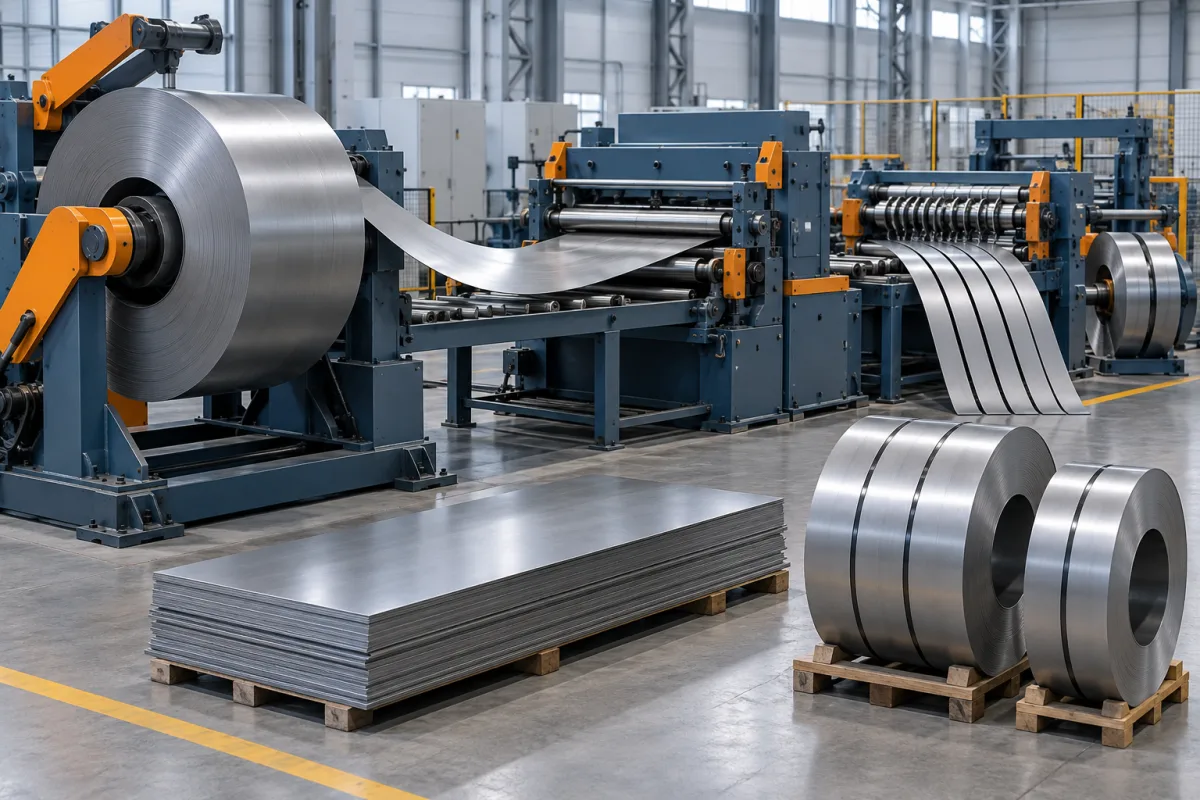
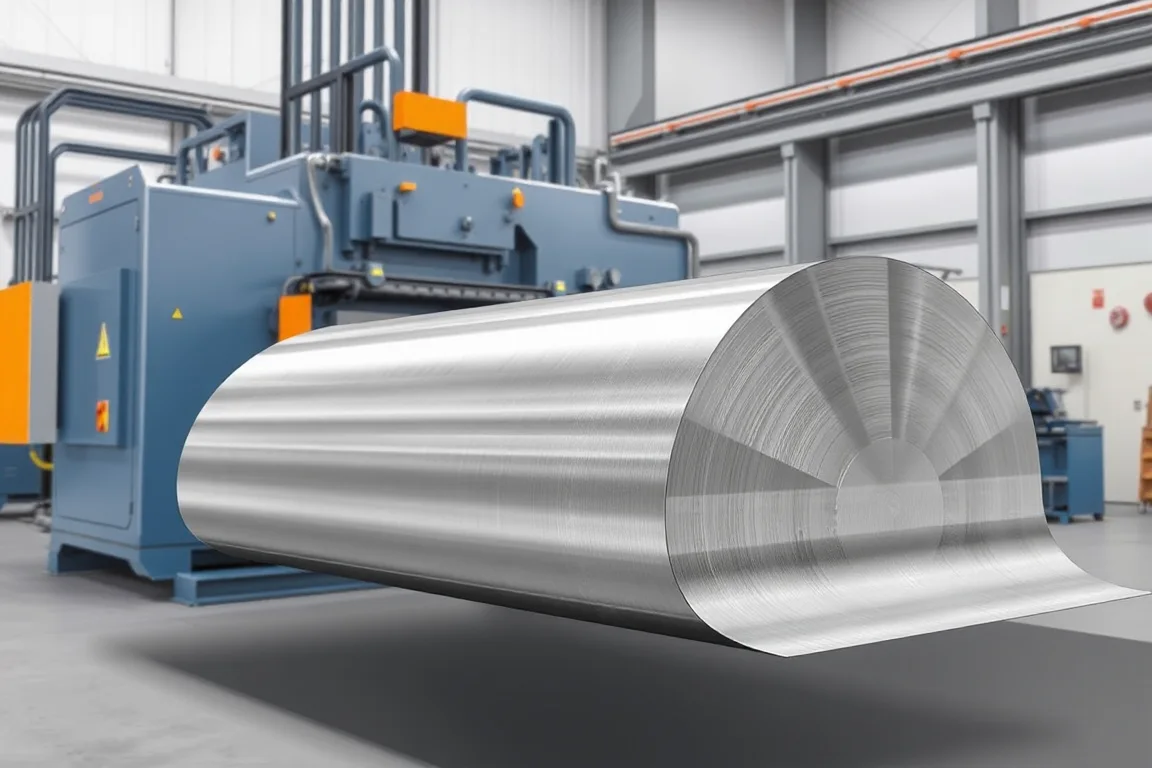
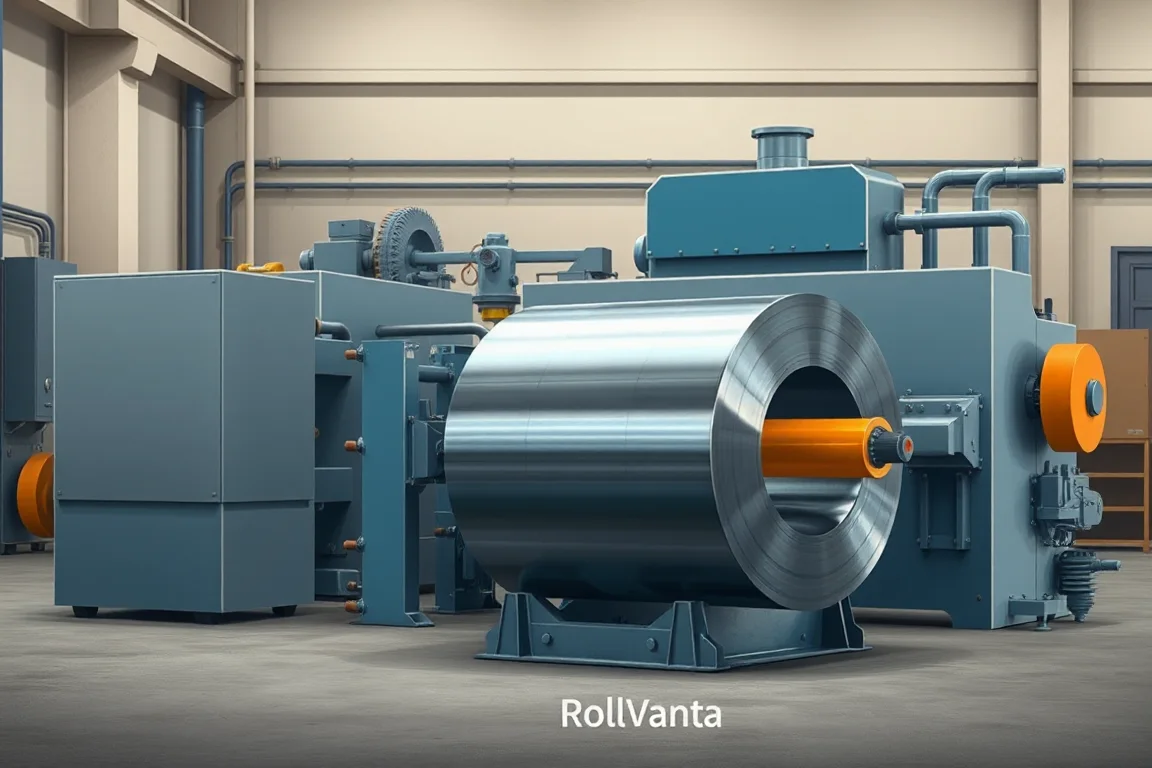
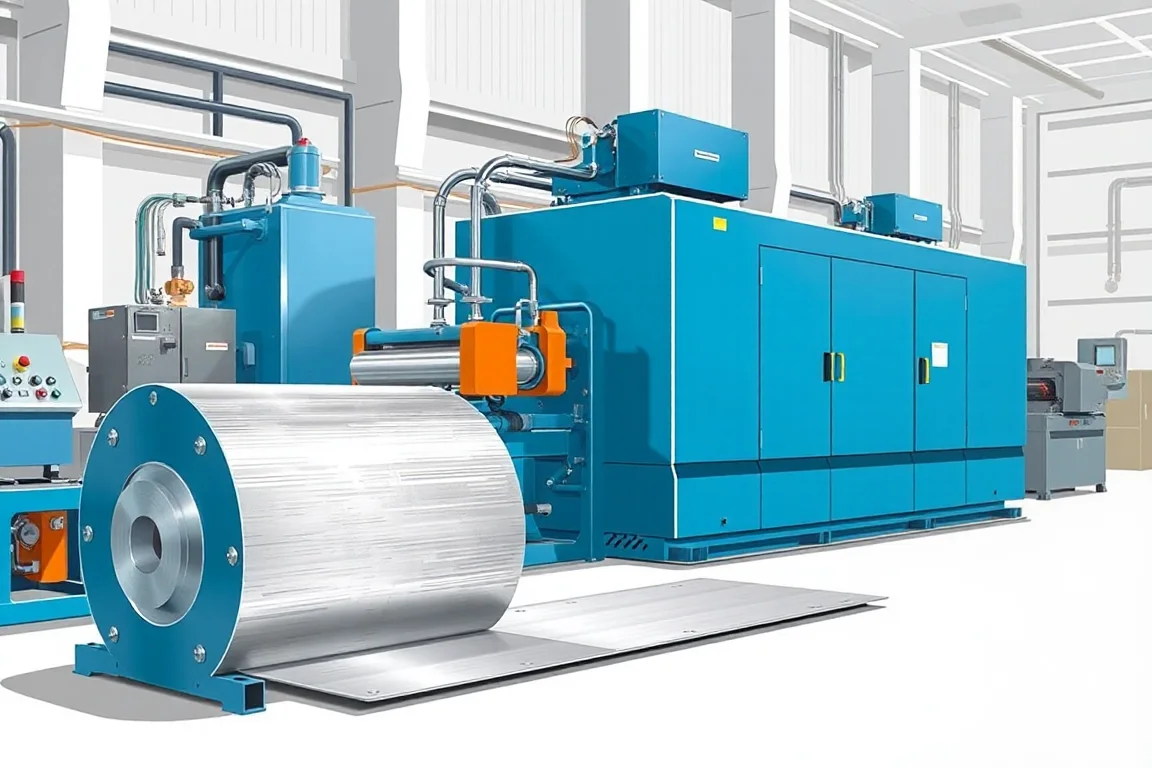
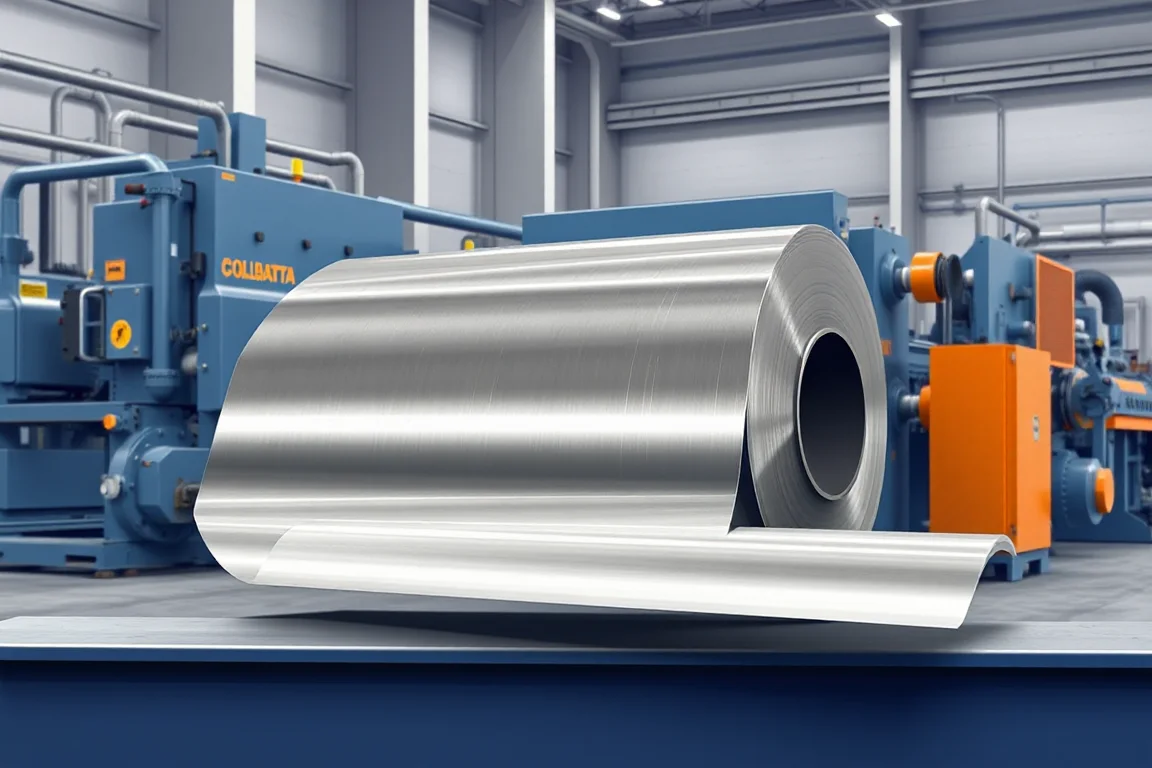
Coil processing equipment prepares material for the next manufacturing operation. Slitting produces narrower strips, cut-to-length equipment produces sheets, leveling addresses specified flatness requirements and decoiling supports controlled payoff. These functions may be combined in a line, but they remain different tasks that should be selected around the incoming coil and required output.
Define the output before choosing the line
State whether the business needs slit coils, flat sheets, shaped blanks or controlled feed into another machine. Identify the downstream process and the characteristics it requires. A broad coil-line description does not establish that all those outputs are included.
- Slitting: define strip widths, edge requirements, strand count and recoiling.
- Cut To Length: specify sheet length, squareness, flatness and stacking.
- Hydraulic Decoiler: review coil support, loading and payoff integration.
- Leveling: identify the incoming condition and required material flatness result.
Specify the complete coil envelope
Pair grade and strength with thickness, width, mass and relevant coil diameters. Include surface condition and protective requirements. An isolated maximum-thickness figure does not establish the capacity for every width or material.
Ask the equipment supplier to review the actual combinations and identify meaningful trial cases. The incoming coil's condition should be documented so process-induced defects can be distinguished from material supplied to the line.
Map loading, processing and removal
Follow the material through loading, restraint, payoff, the required processing operation and finished-output removal. Coil cars, tension systems, recoilers, scrap handling and stacking can be significant parts of the package. Omitted handling equipment can make a low quoted price incomplete.
Use the manufacturer's required operating and service procedures for the installed route. Suspended loads, tensioned strip and stored coil energy require controlled equipment and competent personnel, not improvised adjustments during a demonstration.
Choose inspection measures that match the operation
For slitting, review width, edge burr, camber and recoil quality as required. For cut-to-length work, inspect length, shape, squareness and flatness. For leveling or feeding, define the required result and how it is measured by the downstream process.
Do not combine distinct symptoms into an undefined coil-quality complaint. Record the input condition and the stage where a deviation appears. That helps locate whether the relevant operation is preparation, cutting, tension control, leveling or handling.
Measure the full operating cycle
Loading, threading, setup, coil changes and finished-coil or bundle removal can influence accepted output substantially. A maximum strip-travel speed describes only one portion of the cycle. Compare proposals using the intended coil sizes and output pattern.
Keep accepted quantity, elapsed time and rejected material on the same boundary. If a downstream process requires additional inspection or handling before the output is usable, include that obligation in the comparison rather than counting intermediate material as finished delivery.
Prepare a complete processing brief
Provide the coil envelope, grade and surface requirements, output dimensions, acceptance methods and representative order mix. Identify utilities, available layout and the next operation receiving the material. Include required tooling changes and safe service access.
The detailed pages below distinguish preparation and processing functions so the equipment choice follows the actual material flow. A clear input-to-output specification makes it easier to identify missing units and compare whole routes rather than unrelated headline capacities.
Continue your research
- Steel Coil Slitting Line
- Cut To Length Line
- Hydraulic Decoiler
- Coil Leveling Machine
- Narrow Strip Steel Coil Slitting Line
- High Speed Steel Coil Slitting Line
- Heavy Gauge Steel Coil Slitting Line
- Steel Coil Blanking Line
- Decoiler Straightener Feeder Line
- Coil Upender Machine
- How Coil processing line Works
- How To Choose a Coil processing line
- Coil processing line Price: What Affects the Cost?
- Materials and Thickness for Coil processing line
- Production Speed and Output of Coil processing line
- Roller, Tooling and Forming Design for Coil processing line
- Common Defects and Troubleshooting for Coil processing line