
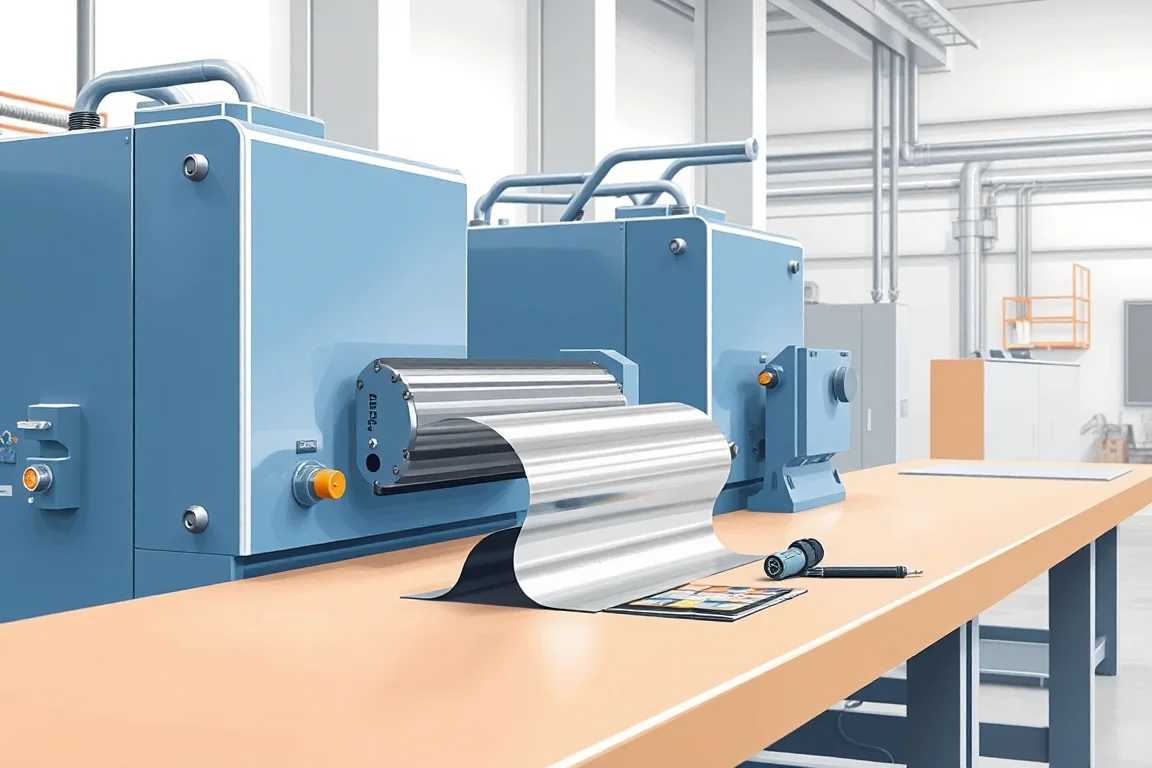
Choose a coil processing line by defining the output and material range together. A slitting installation for narrow coils and a cut-to-length installation for flat sheets have different production and handling requirements. Start with the products you will deliver, then compare the complete route needed to make them consistently.
Specify the finished product families
List slit-coil widths or sheet dimensions, material grades or alloys, thicknesses, edge requirements and surfaces. Include relaxed-shape requirements where relevant. Separate routine orders from occasional products and future possibilities.
State the delivery format and identification requirements. A line that can make the nominal dimensions may still need additional equipment to produce the required coil build, stack, package or traceability record.
Define the combined input envelope
Record coil mass, width, thickness, inside and outside diameters alongside material identity. The practical combinations matter more than unrelated maximum values. Ask which cases govern the selected entry, processing and exit equipment.
Include incoming condition and expected variation. Equipment intended to deliver a particular shape or surface result needs a defined starting point. Avoid interpreting a broad material-family label as proof that every coil supplied under it is suitable.
Choose the required processing functions
Identify whether the business needs slitting, leveling, cutting to length or a reviewed combination. Map the operations from input coil to accepted package. Clarify any separate route for a special product rather than assuming every operation can be added to one standard configuration.
Consider the next manufacturing step. A sheet intended for further processing may have requirements not visible in a basic dimension list. Bring the downstream inspection or fit requirements into the equipment discussion early.
Review slitting through the actual width patterns
For slit products, provide representative combinations of strip widths and cut counts. Include edge condition, trim and the final coil format. Ask how tooling changes, strip separation and exit handling are covered.
Demonstrate a realistic mix rather than one convenient pattern. The time and work needed to change patterns can affect output significantly when orders are small. Record accepted coils after the complete recoiling and handling route.
Review cut-to-length through the sheet schedule
For sheets or blanks, include short and long sizes, quantities and the relevant shape and surface requirements. Ask how feeding, cutting and stacking work together for that schedule. A maximum linear speed does not establish every sheet-per-minute result.
Inspect representative stacks as well as individual sheets. The handling arrangement should preserve edges and surfaces under normal production conditions. Keep required length, squareness and flatness checks tied to clear measurement methods.
Evaluate leveling against the required result
Ask for evidence on the intended material and dimensional combinations. Define how the relaxed product will be measured and what incoming conditions the proposal assumes. Do not treat leveling as an unlimited correction step for any material defect.
If the material will undergo further processing, discuss that requirement with the responsible technical parties. The equipment trial should answer the relevant product question rather than only demonstrate an apparently flat strip under restraint.
Compare output with changes and handling included
Use representative coils, width patterns or sheet schedules over an agreed time boundary. Include tool changes, coil transitions, inspection and package movement. Keep accepted quantity and waste separate in the report.
Check whether the trial leaves work accumulated between stages. Sustained delivery depends on the complete route being balanced. A fast processing section may wait on loading, recoiling, stacking or dispatch handling.
Review the full installation
Include input storage, coil loading, buffers where applicable, service access, output handling and waste movement in the layout. Confirm the actual site-preparation and utility requirements from the proposed equipment. The footprint of a single processing machine is not the factory-space requirement.
Assign responsibility for lifting, guards, integration and other installation interfaces. Use the responsible specialists for safety-related decisions. A written boundary list is more reliable than assuming each supplier includes everything around its machine.
Agree acceptance and support deliverables
Define trial materials, products, measurement methods and handling conditions before purchase. Include the characteristics that matter to the delivered coil or sheet, not just machine motion. Keep accepted samples and their setup references where practical.
Review operating documentation, training, tooling information, maintenance and replacement-parts support. The ability to recover the accepted setup after service or a tool change matters to long-term production consistency.
Normalize the final comparison
Use one matrix for product scope, input limits, output evidence, installation, tooling and support. Mark exclusions and unresolved items in each proposal. Compare prices only after accounting for those differences.
Where trials are needed to settle a material or shape question, define their purpose and deliverable. A clear validation step is preferable to turning an unknown into a broad performance promise. Select the line that addresses the actual product range with understandable evidence and responsibilities.
Frequently asked selection questions
Can maximum thickness define the required line?
No. Pair it with grade, width, coil format and the output requirement. Combined conditions determine the reviewed equipment scope.
Should slitting output be measured before recoiling?
For delivered-coil capacity, include the required exit and handling route. Material waiting to become an accepted coil is not the same as finished output.
Why provide several sheet lengths for a trial?
Length changes cutting and handling work per unit of material. A realistic schedule reveals constraints that one favorable sheet size can hide.
What is the most useful supplier comparison document?
A common input/output matrix with included equipment, tooling, installation, acceptance and support. It makes different scope boundaries visible before price comparisons are made.
Continue your research
- Coil Processing & Auxiliary Equipment
- Steel Coil Slitting Line
- Cut To Length Line
- Narrow Strip Steel Coil Slitting Line
- High Speed Steel Coil Slitting Line
- Heavy Gauge Steel Coil Slitting Line
- How Coil processing line Works
- Coil processing line Price: What Affects the Cost?
- Materials and Thickness for Coil processing line