ROLL FORMING SYSTEMS / PROFILE-LED SELECTIONFROM COIL TO FINISHED COMPONENT · EN
ROLLVANTAROLL FORMING SYSTEMS

APPLICATIONS / FROM PROFILE TO PROCESS

Profiles & Applications · Page 4

Explore named profiles and production variants through geometry, mating interfaces, material combinations and manufacturing requirements.

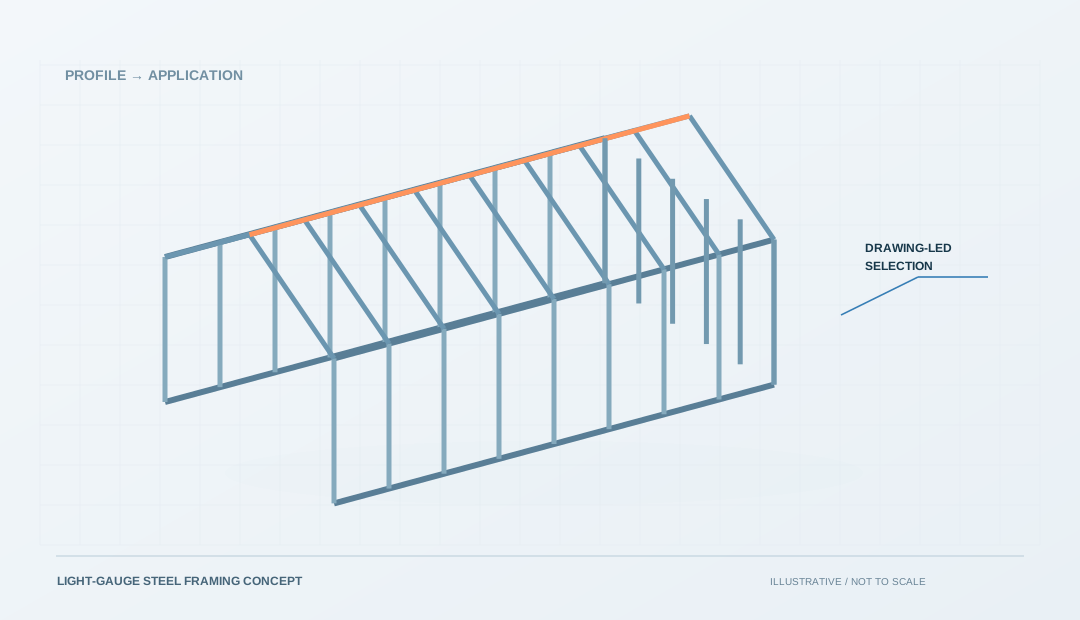
Drawing and production planning illustration

01 / Define the componentGeometry, interfaces and finished-part requirements

02 / Understand the processMaterial, tooling, forming and secondary operations

03 / Compare the complete scopeAccepted output, changeover and inspection

APPLICATIONS / FROM PROFILE TO PROCESS

Find your finished component

Explore each topic in detail. The collection below uses the current published content.

ROLLVANTA / EXPLORE

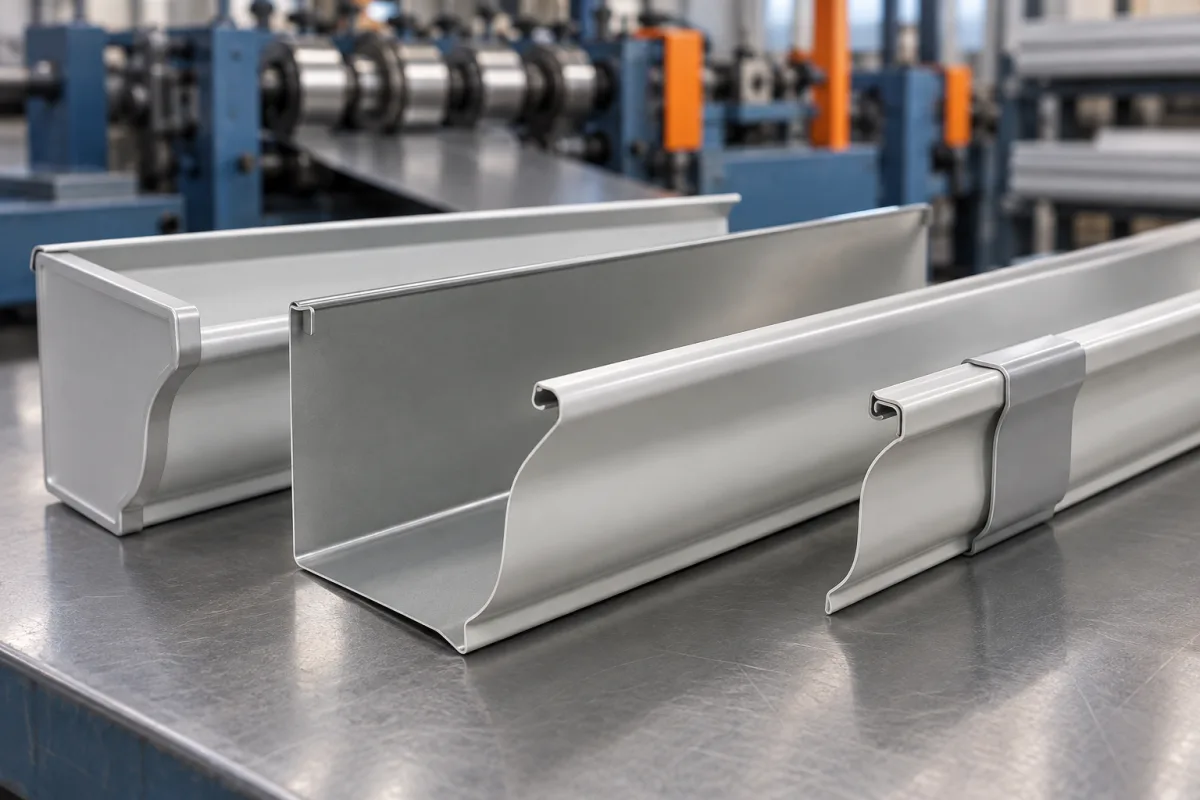
K Style Gutter Roll Forming Machine

A practical guide to K style gutter roll forming machines: profile definition, forming routes, assembly boundaries, cutoff, inspection and quotation scope, distinguishing gutter from downpipe, elbow and outlet tooling.

Explore the details

ROLLVANTA / EXPLORE

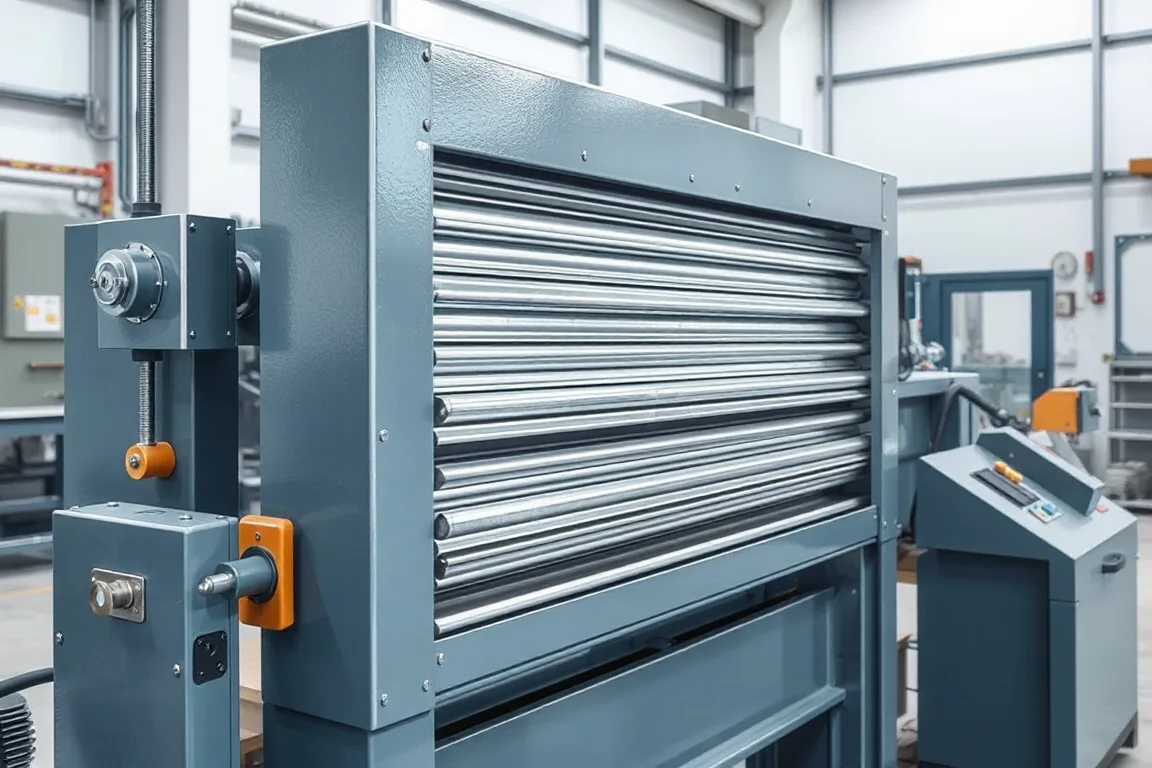
Insulated Roller Shutter Slat Machine

Explore insulated roller shutter slat machines, covering profile design, material compatibility, production routes from forming to insulation and assembly, inspection criteria, and factors affecting equipment scope and quotation.

Explore the details

ROLLVANTA / EXPLORE

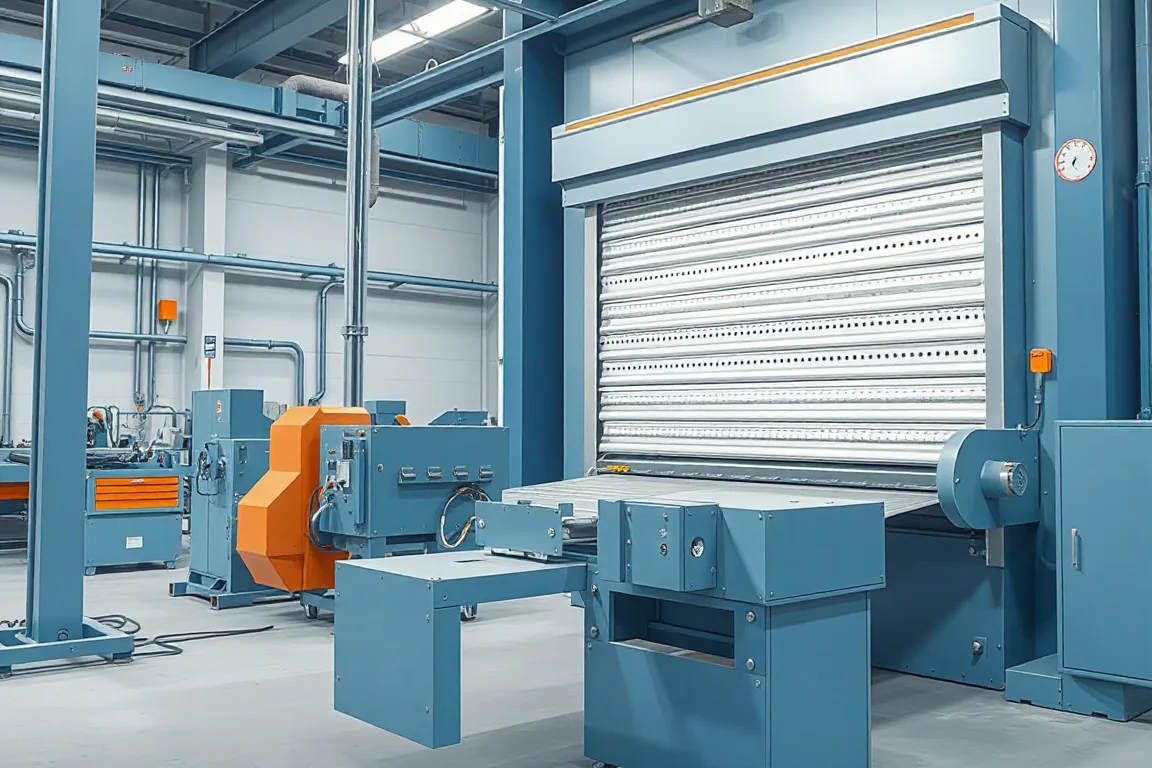
Perforated Roller Shutter Slat Machine

Perforated roller shutter slat machines form coated steel or aluminium into interlocking slats with a specified hole pattern. This page explains how perforation interacts with forming, interlock development, cutoff and curtain assembly, and how to evaluate production routes and acceptance checks.

Explore the details

ROLLVANTA / EXPLORE

Flat Roller Shutter Slat Roll Forming Machine

A flat-faced shutter slat still needs correct edge hook geometry and coiling behaviour. This guide explains the production route, component interfaces, assembly boundaries, inspection checks and how to compare equipment scopes for flat roller shutter slat roll forming.

Explore the details

ROLLVANTA / EXPLORE

Steel Door Threshold Roll Forming Machine

Steel door thresholds are formed sections that manage the floor junction, door leaf contact, seal interface and fastening. This article explains progressive roll forming, steel versus extrusion, coating, feature punching, cutoff and acceptance checks.

Explore the details

ROLLVANTA / EXPLORE

Door Reinforcement Channel Roll Forming Machine

A door reinforcement channel roll forming machine produces the stiffening members that fit inside a door assembly. This guide explains section identity, panel envelope, material selection, hole datums, forming and cutoff, open channels versus alternatives, variants, inspection and trial within representative door components.

Explore the details

ROLLVANTA / EXPLORE

Garage Door Track Roll Forming Machine

How garage door track roll forming machines shape straight vertical and horizontal rails: roller interface geometry, running surfaces, punched mounting holes, cutoff, and why curving and bracket assembly stay separate operations.

Explore the details

ROLLVANTA / EXPLORE

Mezzanine Floor Beam Roll Forming Machine

A mezzanine floor beam roll forming machine produces structural beams for mezzanine racking, where connection geometry and component interfaces matter more than simple channel shape. This guide explains production routes, assembly boundaries and practical acceptance checks for these components.

Explore the details

ROLLVANTA / EXPLORE

Slotted Angle Roll Forming Machine

A slotted angle roll forming machine makes L-shaped sections with a repeated hole pattern for adjustable racking and support frames. This guide explains punching, forming, cutoff and assembly boundaries, plus inspections and commercial evaluation criteria.

Explore the details

ROLLVANTA / EXPLORE

Pallet Rack Step Beam Roll Forming Machine

A step beam roll forming machine produces the load-bearing beam with a shelf-supporting ledge. Success depends on connector-fit geometry, punching and forming sequence, welding of built-up sections, and inspection of the finished assembly rather than the bare profile.

Explore the details

Find the production questions behind a particular profile, size family or manufacturing arrangement. Application names are a starting point: a complete drawing must still identify the geometry, mating parts, material and features that make the finished component useful.

Read profile names as a starting point

A nominal cover width, section depth or seam height does not describe every bend and interface. Compare the rib or flange pattern, returns, radii, laps and feature locations. Where a new part must match an existing system, include a reference sample or controlled mating drawing.

Distinguish shape from production method

Some applications concern a joint or finished section; others concern tapering, curving, variable sizes or rapid changeover. Identify which requirement changes the tooling and which introduces another process. This avoids assuming that a standard forming line includes a specialized downstream operation.

Pair the material with the geometry

Review the actual combinations of grade or alloy, base-metal thickness, coating and dimensions. Separate demonstrations at unrelated limits do not prove that every possible combination has been covered. A compact production matrix makes the important trial cases visible.

The application pages explain the local requirements; the machine directory shows the broader equipment family. Follow with the technical guides when you need a method for comparing output, preparing an enquiry or agreeing acceptance checks.

Turn research into a practical brief

Bring your profile.
Clarify your production line.

Organize the drawing, material, product mix and acceptance questions before comparing configurations.

Build a project brief →