ROLL FORMING SYSTEMS / PROFILE-LED SELECTIONFROM COIL TO FINISHED COMPONENT · EN
ROLLVANTAROLL FORMING SYSTEMS

APPLICATIONS / FROM PROFILE TO PROCESS

Profiles & Applications · Page 3

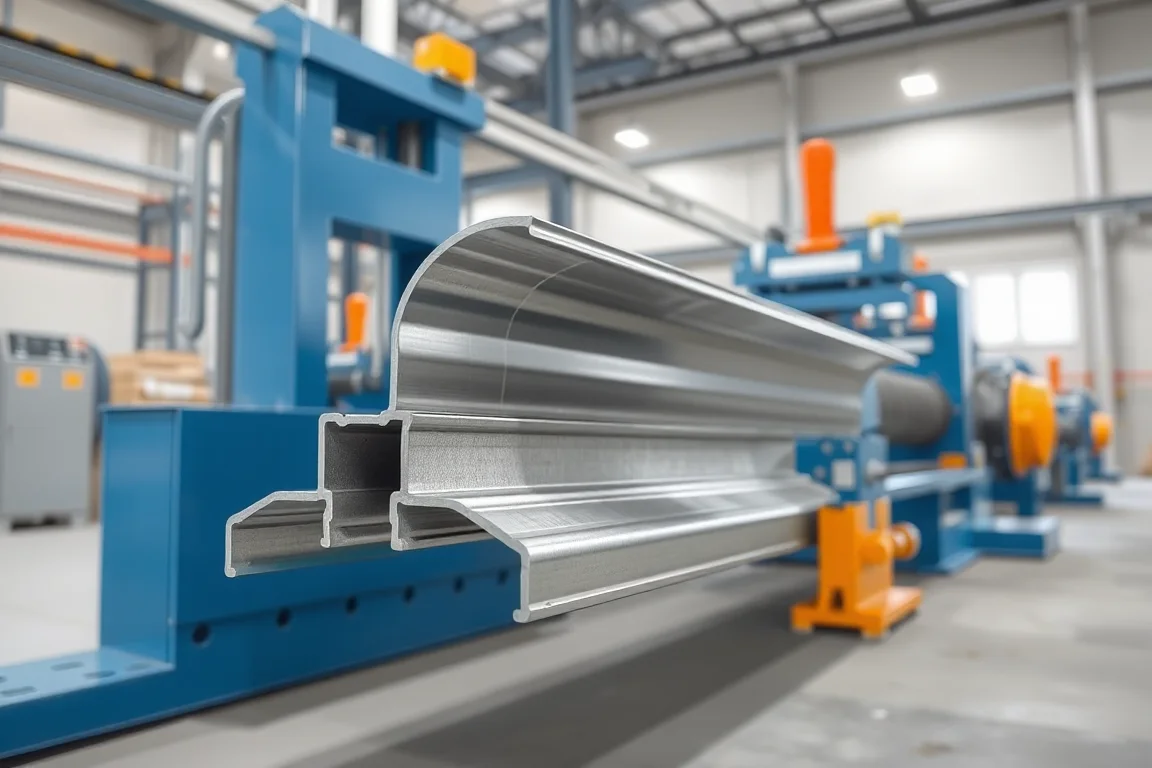
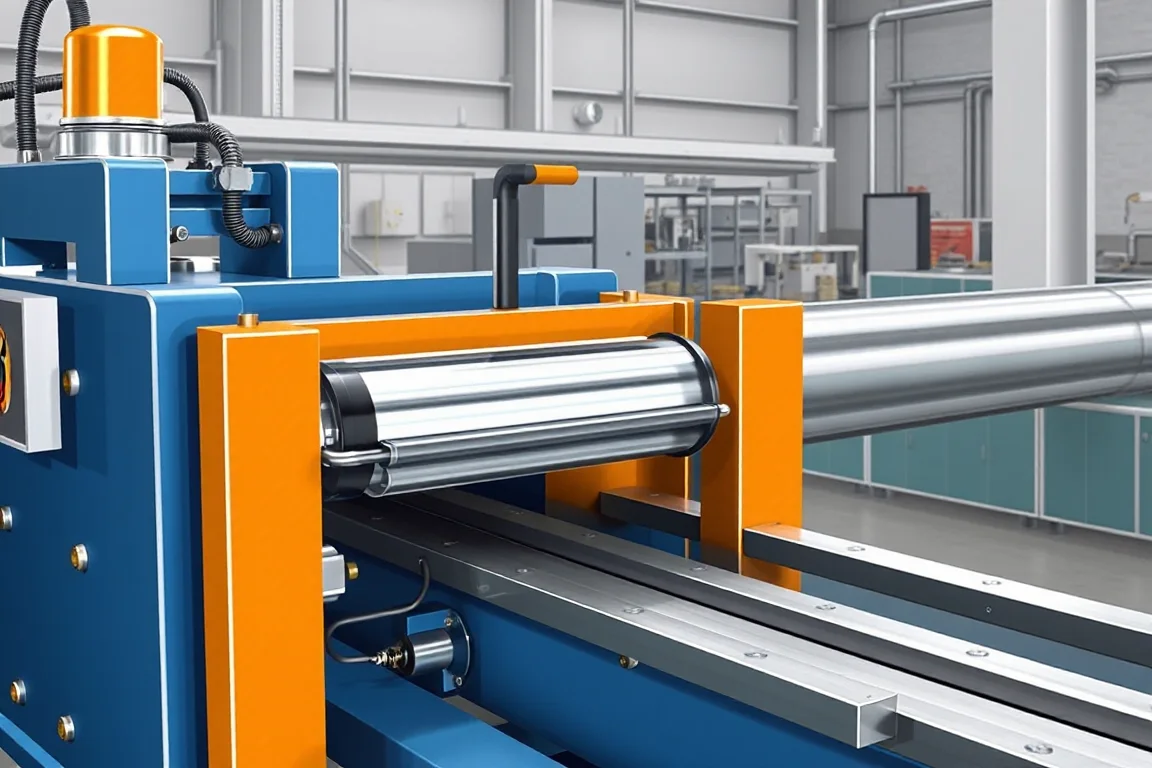
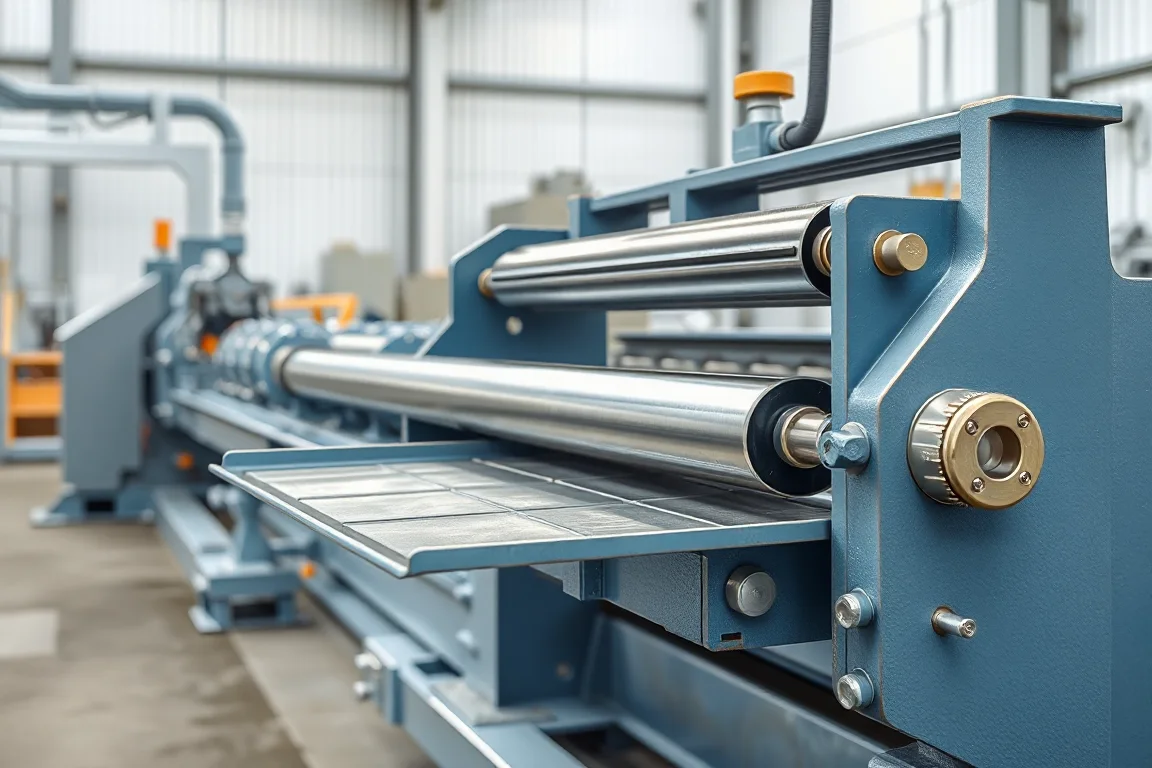
Explore named profiles and production variants through geometry, mating interfaces, material combinations and manufacturing requirements.

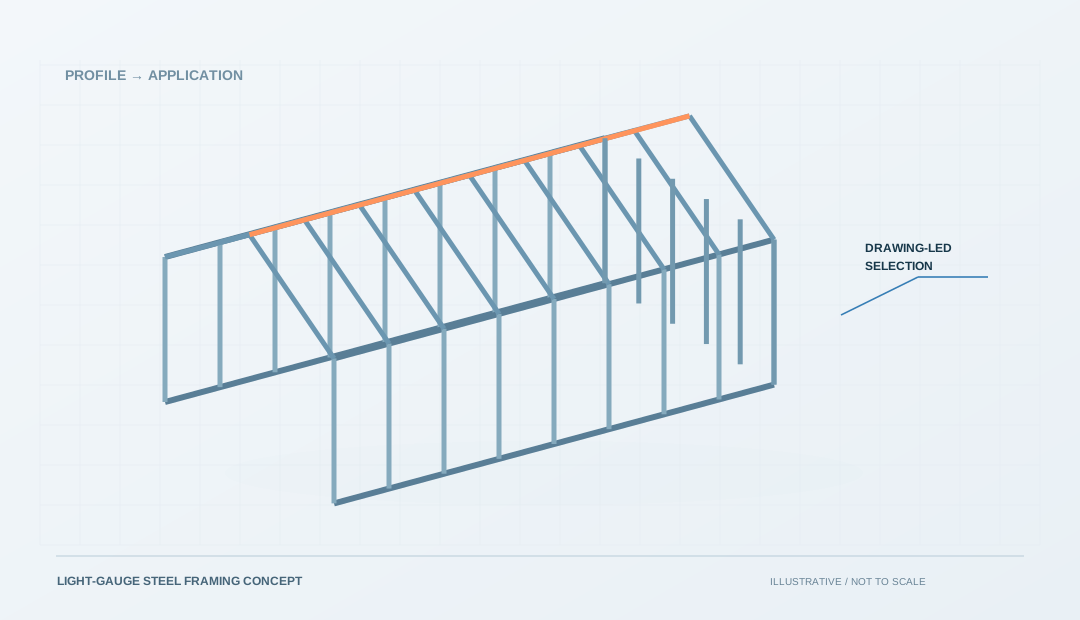
Drawing and production planning illustration

01 / Define the componentGeometry, interfaces and finished-part requirements

02 / Understand the processMaterial, tooling, forming and secondary operations

03 / Compare the complete scopeAccepted output, changeover and inspection

APPLICATIONS / FROM PROFILE TO PROCESS

Find your finished component

Explore each topic in detail. The collection below uses the current published content.

ROLLVANTA / EXPLORE

Cuplock Scaffold Ledger Roll Forming Machine

A cuplock scaffold ledger roll forming machine produces components with tubular members and end connections, not plank profiles. This article explains material inputs, process routes, assembly boundaries, inspection priorities and how to specify a production line.

Explore the details

ROLLVANTA / EXPLORE

Greenhouse Guide Rail Roll Forming Machine

A greenhouse guide rail is selected around the moving or supported component. This guide explains how guide rail roll forming differs from gutters, film-lock channels and crop support profiles, what to verify in a production line, and how to inspect finished rails against the greenhouse interface.

Explore the details

ROLLVANTA / EXPLORE

Greenhouse Steel Column Roll Forming Machine

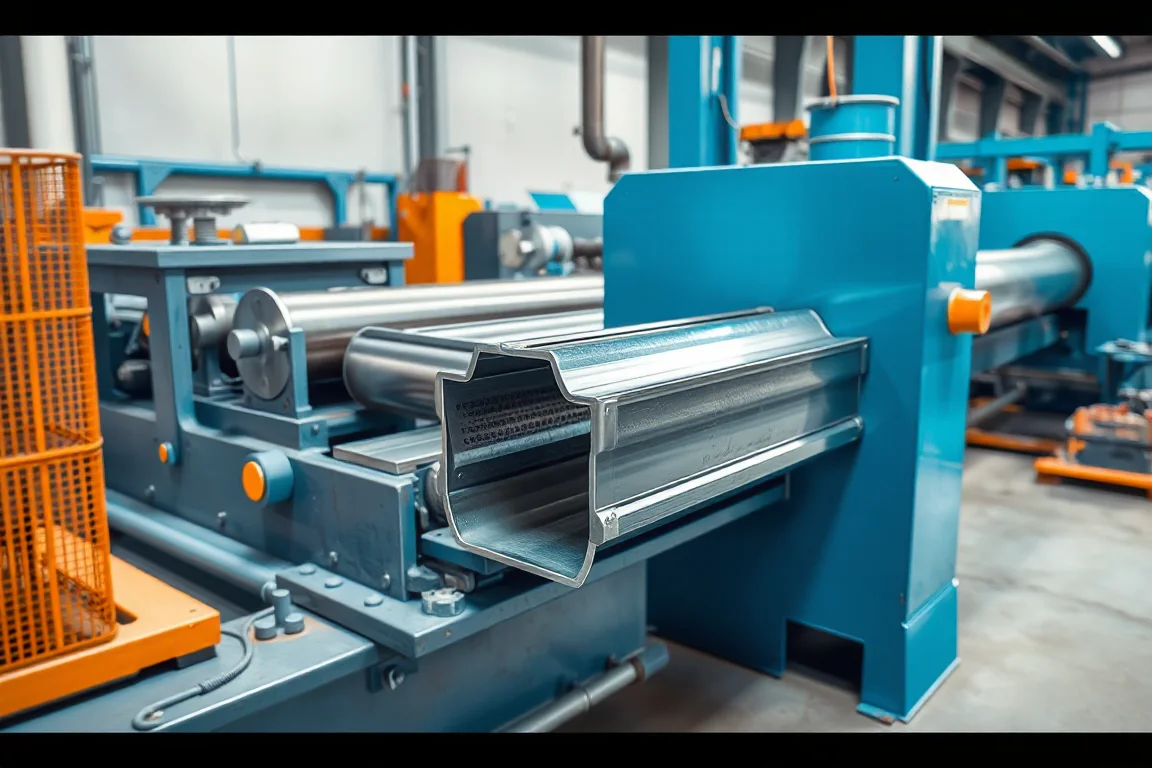
A greenhouse steel column roll forming machine is a production route for forming structural or drainage profiles from protected metal coil. This article distinguishes open sections from tubes, separates forming from assembly and certification, and explains interfaces, inspection and route selection.

Explore the details

ROLLVANTA / EXPLORE

Greenhouse Purlin Roll Forming Machine

A greenhouse purlin roll forming machine produces specific metal profiles for drainage, film retention and structural support. This article explains component interfaces, production routes, assembly boundaries, inspection and key selection factors without relying on unverified specifications.

Explore the details

ROLLVANTA / EXPLORE

Greenhouse Crop Support Channel Machine

Crop support channels are engineered metal profiles that carry hooks, clips, and hanging loads. This article explains how a roll forming machine shapes them, why interface checks matter, and how to distinguish forming from assembly and certification.

Explore the details

ROLLVANTA / EXPLORE

Rectangular Downpipe Roll Forming Machine

A rectangular downpipe roll forming machine produces straight, oriented rectangular sections from coated steel or aluminum. This page explains profile interfaces, production routes, cutoff boundaries, inspection points and how to separate the pipe former from elbow and outlet operations.

Explore the details

ROLLVANTA / EXPLORE

Square Downspout Roll Forming Machine

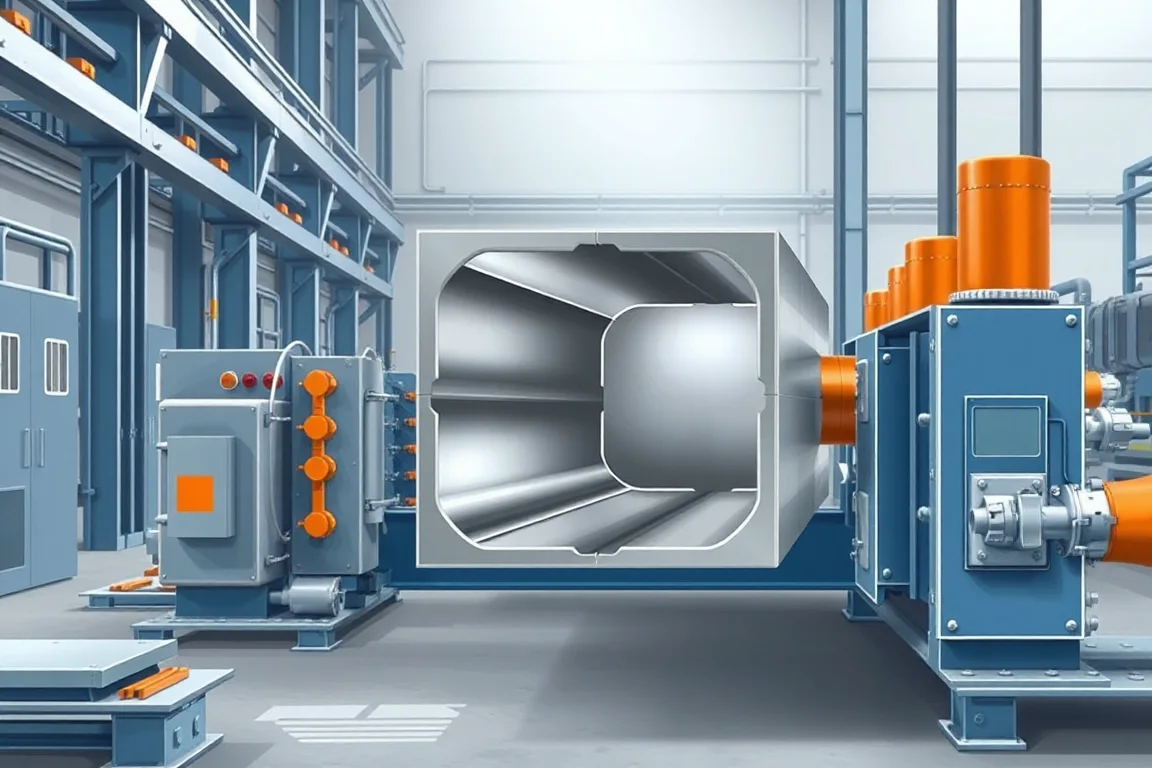
A square downspout roll forming machine produces closed rectangular downpipe sections with defined corner radii, seams and connector interfaces. This guide explains profile inputs, forming and assembly boundaries, inspection points and practical alternatives for workshop or site production.

Explore the details

ROLLVANTA / EXPLORE

Round Downspout Roll Forming Machine

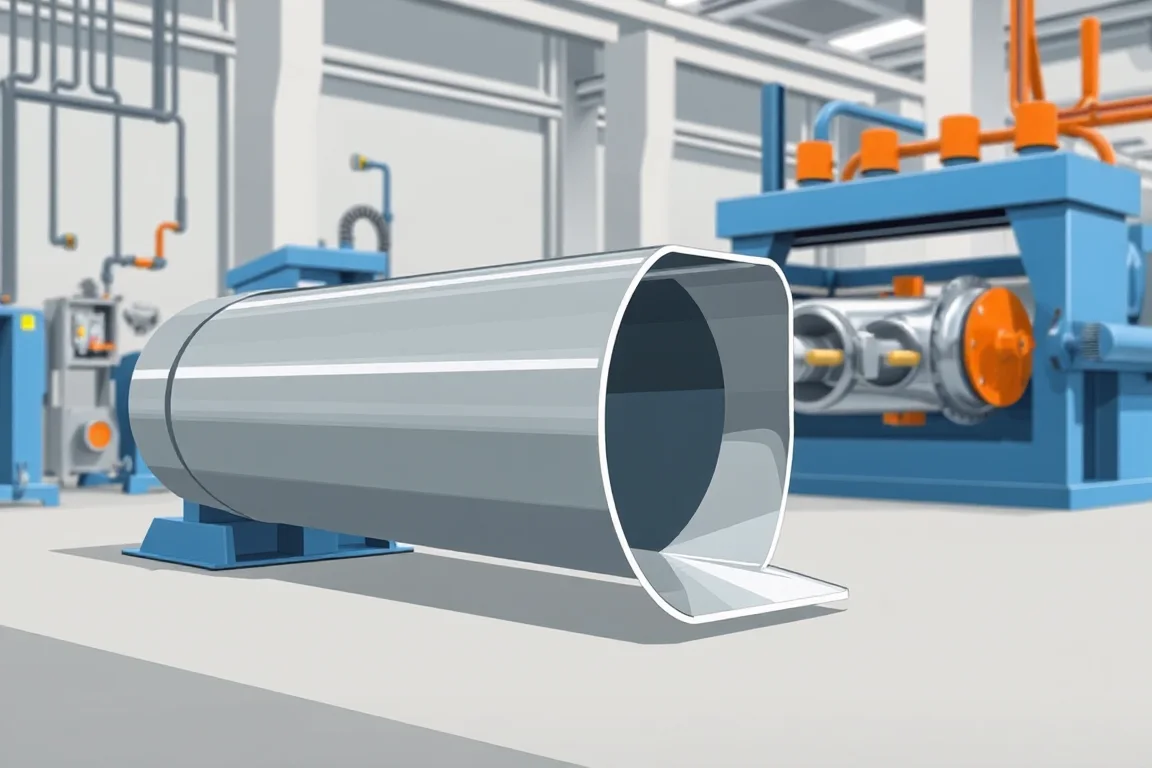
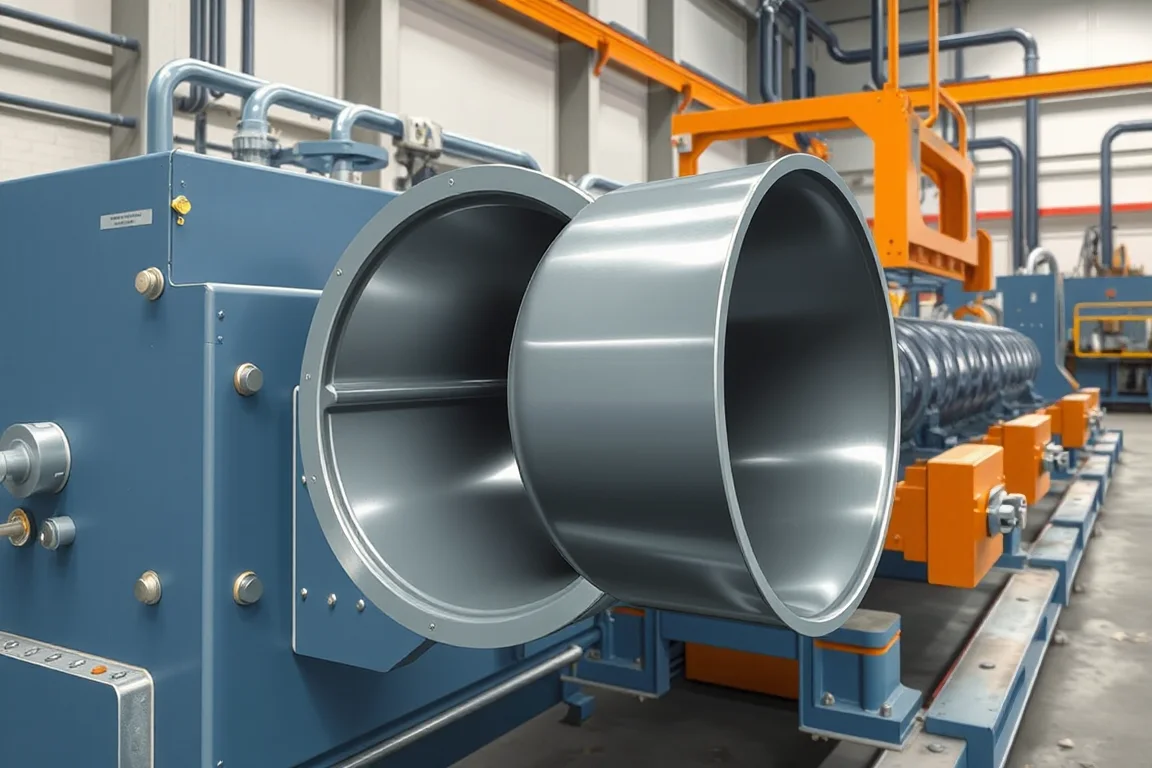
A round downspout roll forming machine forms the downpipe body and closes its longitudinal seam, while outlets, elbows and end treatments are usually separate operations. This article explains profile interfaces, production routes and acceptance checks.

Explore the details

ROLLVANTA / EXPLORE

Box Gutter Roll Forming Machine

Box gutter roll forming machines form open rectangular gutter sections from coil, then cut to length. This article explains profile interfaces, edge and seam closure, cutoff, separate outlet and elbow operations, inspection priorities, production routes and practical procurement checks.

Explore the details

ROLLVANTA / EXPLORE

Half Round Gutter Roll Forming Machine

Half round gutter roll forming machines form an arched trough, bead or hem and receive brackets, stop ends and outlets. This guide explains interface-driven forming routes, assembly boundaries, cutoff and application-specific acceptance checks without assuming tooling will handle every material or profile.

Explore the details

Find the production questions behind a particular profile, size family or manufacturing arrangement. Application names are a starting point: a complete drawing must still identify the geometry, mating parts, material and features that make the finished component useful.

Read profile names as a starting point

A nominal cover width, section depth or seam height does not describe every bend and interface. Compare the rib or flange pattern, returns, radii, laps and feature locations. Where a new part must match an existing system, include a reference sample or controlled mating drawing.

Distinguish shape from production method

Some applications concern a joint or finished section; others concern tapering, curving, variable sizes or rapid changeover. Identify which requirement changes the tooling and which introduces another process. This avoids assuming that a standard forming line includes a specialized downstream operation.

Pair the material with the geometry

Review the actual combinations of grade or alloy, base-metal thickness, coating and dimensions. Separate demonstrations at unrelated limits do not prove that every possible combination has been covered. A compact production matrix makes the important trial cases visible.

The application pages explain the local requirements; the machine directory shows the broader equipment family. Follow with the technical guides when you need a method for comparing output, preparing an enquiry or agreeing acceptance checks.

Turn research into a practical brief

Bring your profile.
Clarify your production line.

Organize the drawing, material, product mix and acceptance questions before comparing configurations.

Build a project brief →