ROLL FORMING SYSTEMS / PROFILE-LED SELECTIONFROM COIL TO FINISHED COMPONENT · EN
ROLLVANTAROLL FORMING SYSTEMS

APPLICATIONS / FROM PROFILE TO PROCESS

Profiles & Applications · Page 2

Explore named profiles and production variants through geometry, mating interfaces, material combinations and manufacturing requirements.

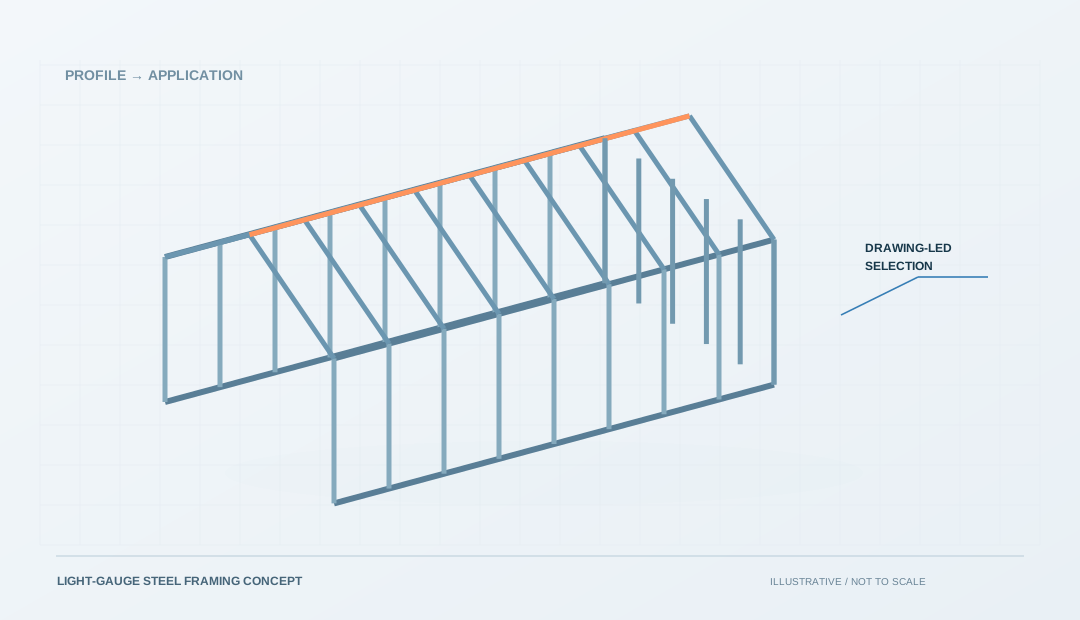
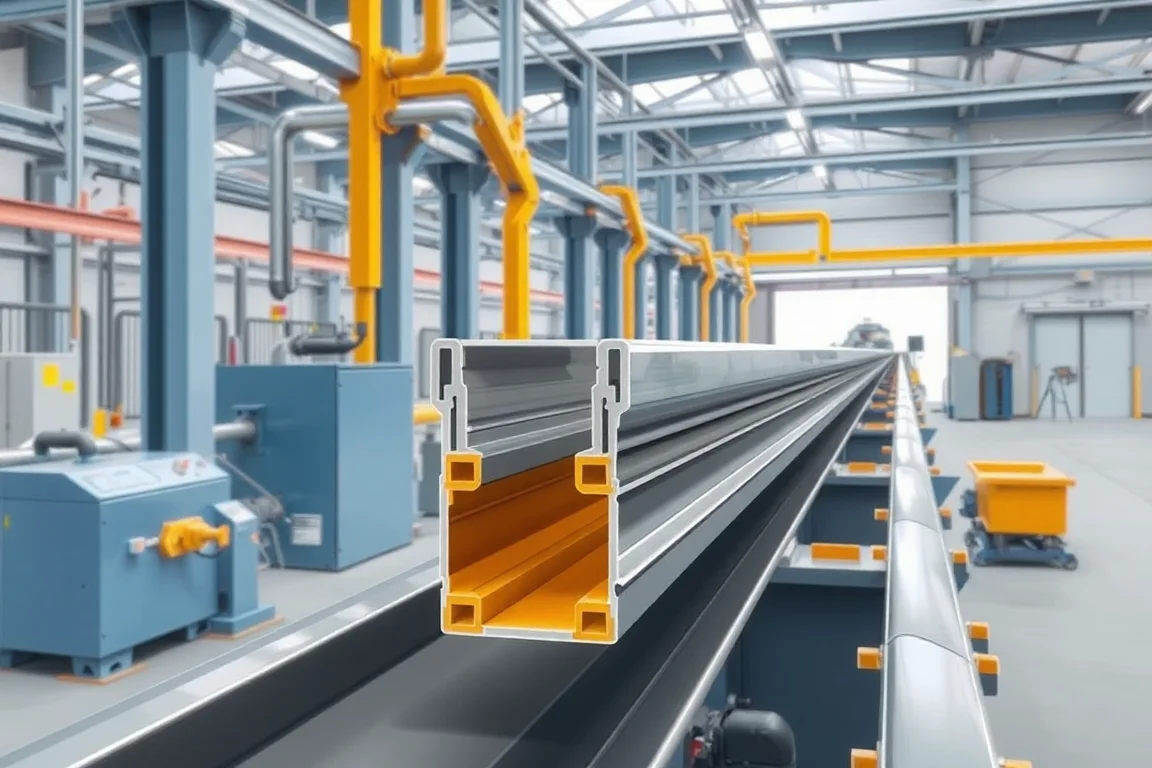
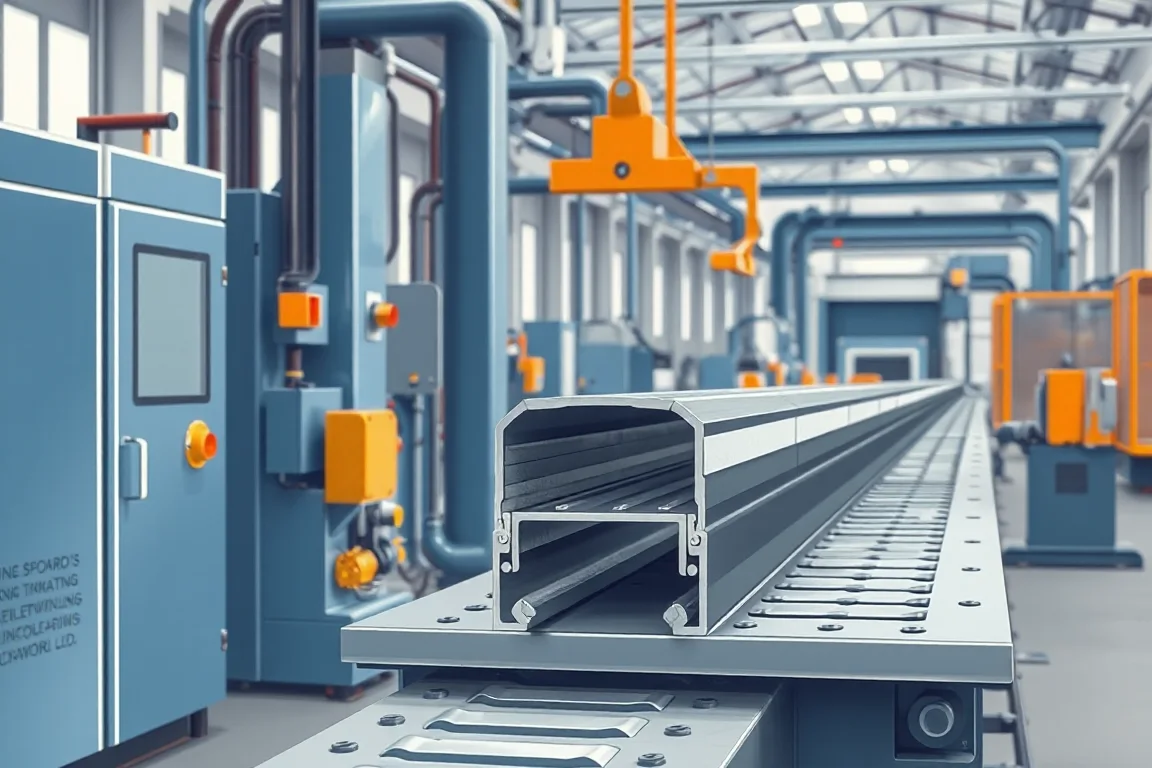
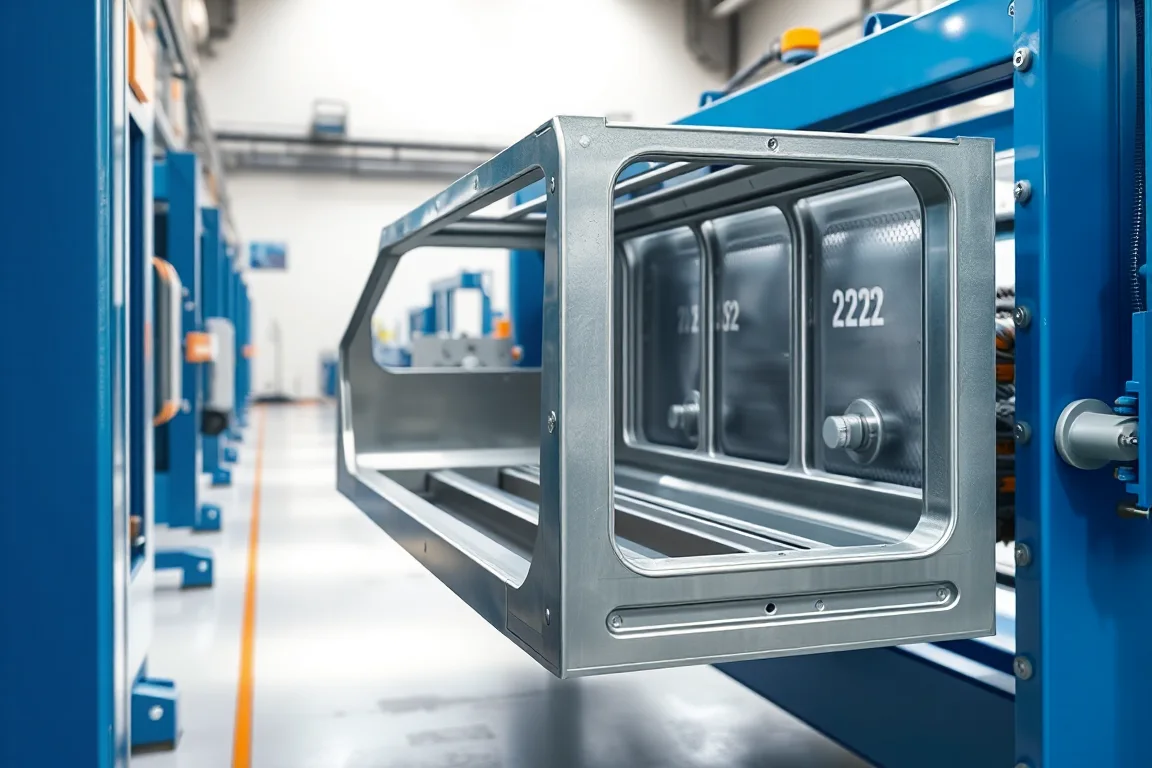
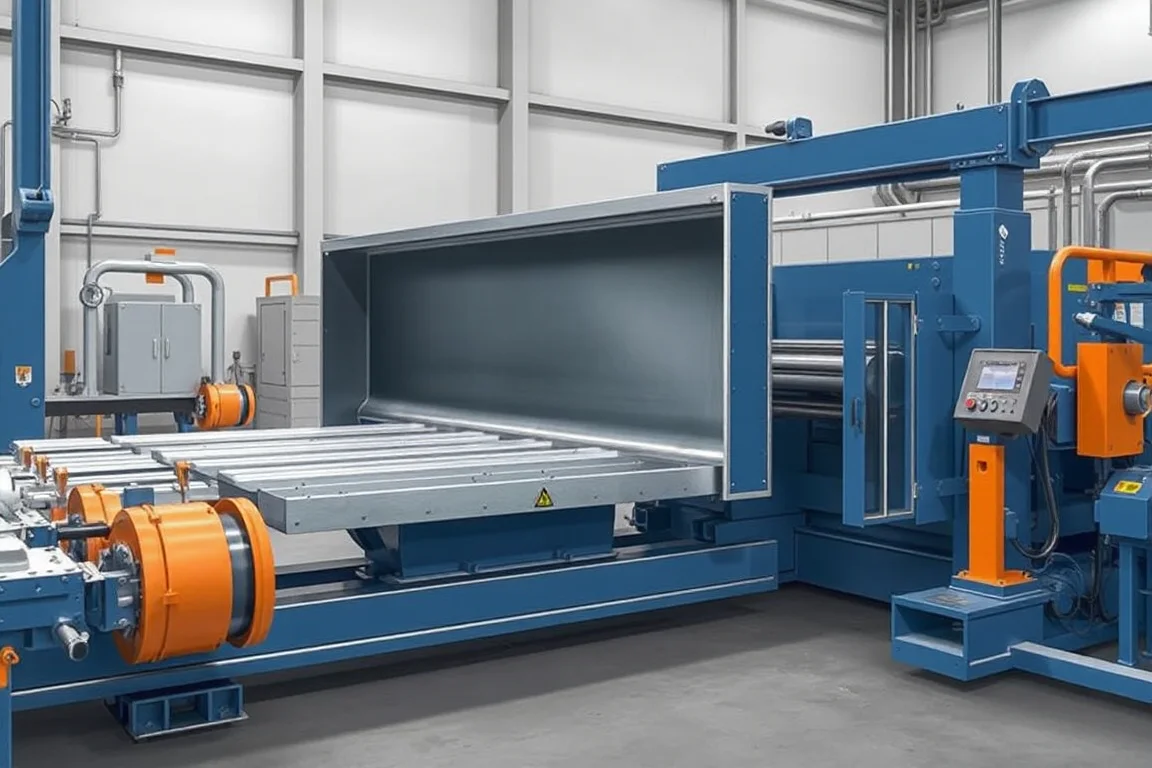
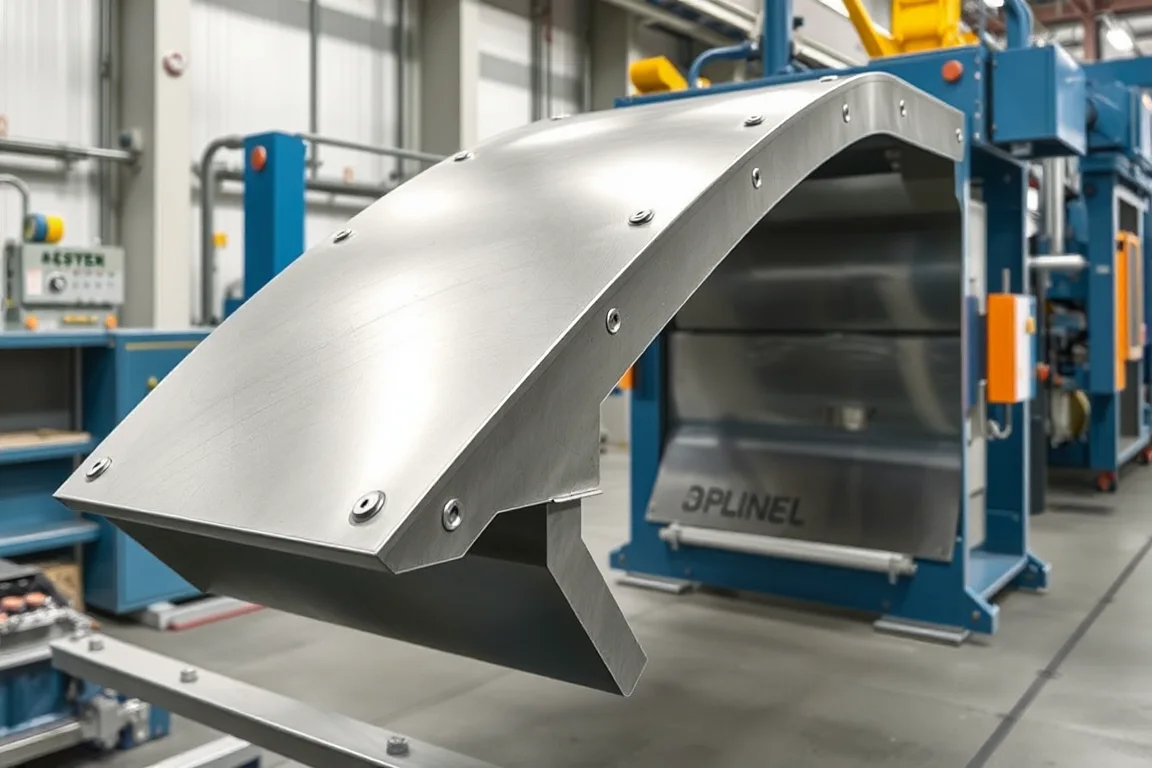
Drawing and production planning illustration

01 / Define the componentGeometry, interfaces and finished-part requirements

02 / Understand the processMaterial, tooling, forming and secondary operations

03 / Compare the complete scopeAccepted output, changeover and inspection

APPLICATIONS / FROM PROFILE TO PROCESS

Find your finished component

Explore each topic in detail. The collection below uses the current published content.

ROLLVANTA / EXPLORE

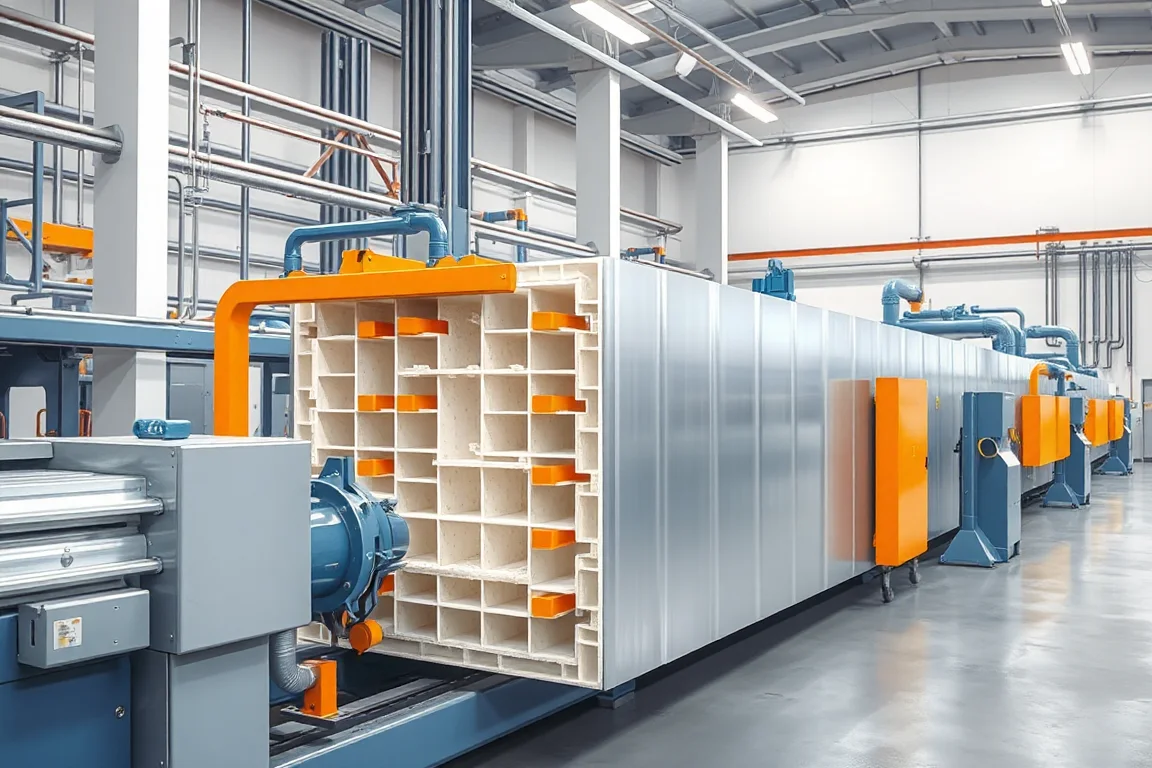
EPS Wall Sandwich Panel Production Line

An EPS wall sandwich panel production line turns prepared metal facings and expanded polystyrene core into finished wall panels. This guide explains wall-specific joints, facing and core interfaces, pressing and curing routes, cutoff, inspection boundaries and what to compare between competing line proposals.

Explore the details

ROLLVANTA / EXPLORE

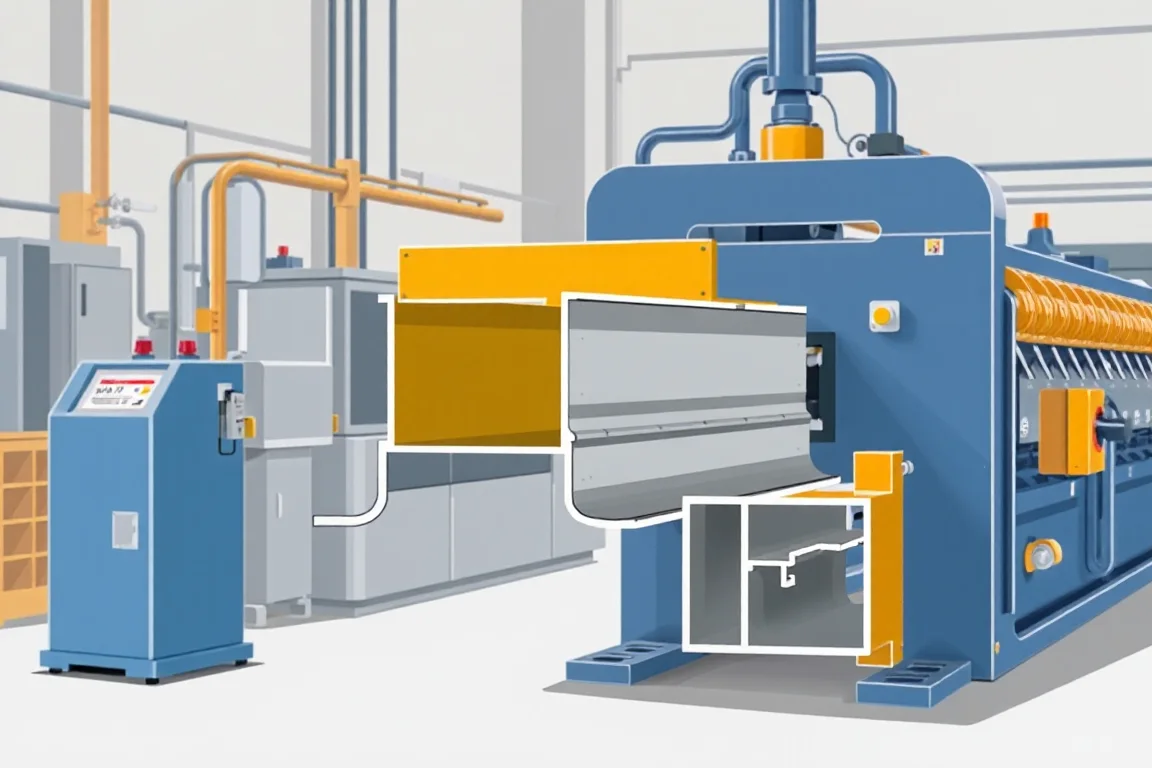
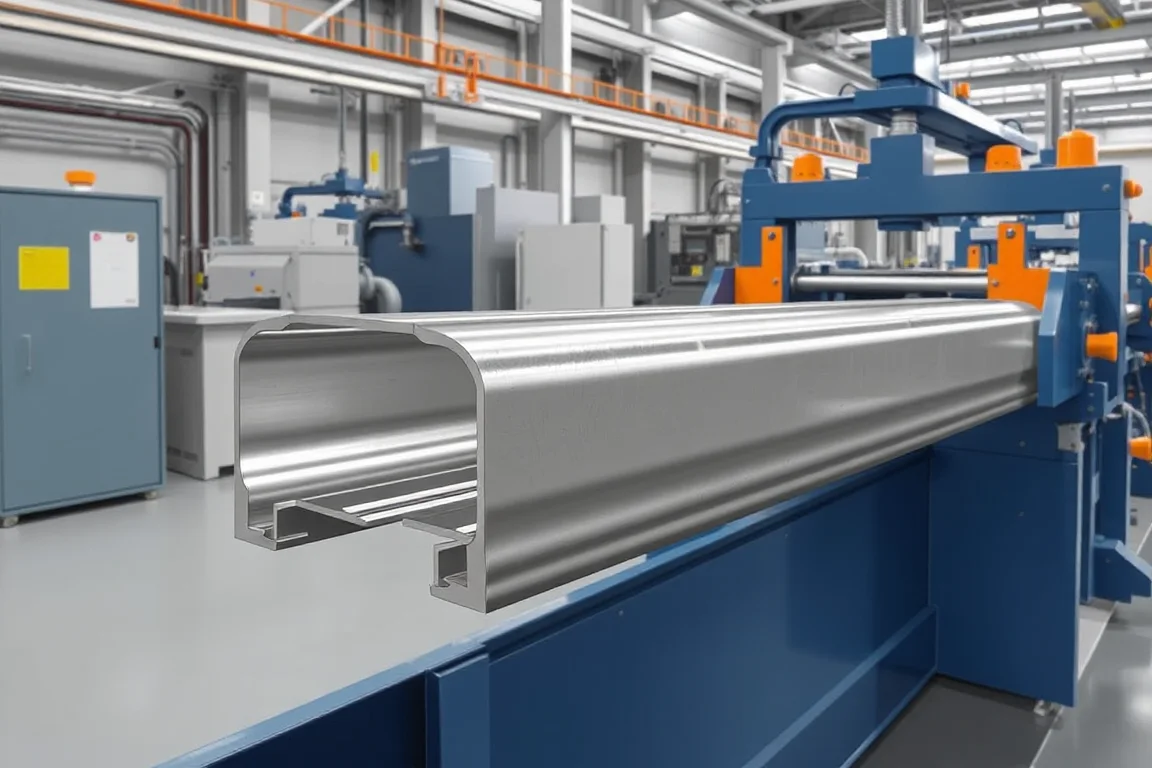
Elevator Profile Roll Forming Machine

An elevator profile roll forming machine produces constant-section components such as guide rails, door tracks, or enclosure strips. Success depends on the actual part drawing, material, thickness, secondary features, and acceptance criteria, not a generic machine label.

Explore the details

ROLLVANTA / EXPLORE

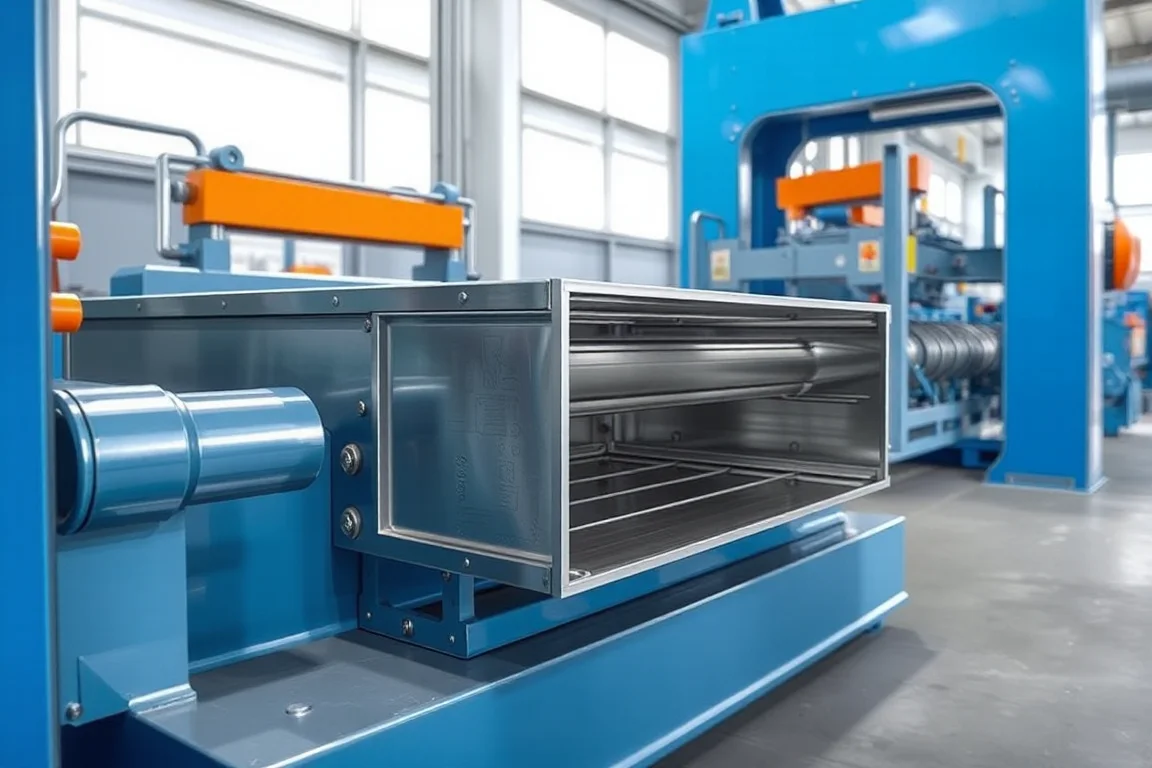
Electrical Cabinet Frame Roll Forming Machine

An electrical cabinet frame roll forming machine produces constant-cross-section steel members for enclosure frames, with interfaces for doors, panels, seals and hinges. This guide explains profile inputs, production routes, assembly boundaries and application-specific inspection.

Explore the details

ROLLVANTA / EXPLORE

Z Channel Production Line

A Z channel production line forms an offset-flange, orientation-sensitive profile from coil. This guide explains drawing datums, handedness, forming and cutoff choices, inspection, and quotation scope so the line matches the installed part, not just the section.

Explore the details

ROLLVANTA / EXPLORE

C Channel Production Line

A C channel production line forms lipped, load-bearing sections from coiled strip, integrating coil handling, progressive forming, punching, and cutoff. This guide explains component interfaces, route choices, assembly boundaries, and functional inspection—not decorative shaping.

Explore the details

ROLLVANTA / EXPLORE

Trailer Side Wall Post Roll Forming Machine

Trailer side wall posts are structural profiles with interfaces to panels, roof rails and floor structure. This article explains the roll forming production route, assembly boundaries, inspection planning and practical scope issues when specifying a dedicated machine.

Explore the details

ROLLVANTA / EXPLORE

Automotive Seat Rail Roll Forming Machine

This article explains the automotive seat rail roll forming machine as a production system for forming, cutting and joining seat rail profiles. It distinguishes the forming machine from downstream assembly and inspection, and offers practical guidance on feasibility, acceptance and scope.

Explore the details

ROLLVANTA / EXPLORE

Scaffold Toe Board Roll Forming Machine

A scaffold toe board roll forming machine produces edge-retention components, not walking planks. This guide explains profile interfaces, forming and joining boundaries, inspection, and how to specify a production route for finished toe boards.

Explore the details

ROLLVANTA / EXPLORE

Scaffold Frame Profile Roll Forming Machine

A scaffold frame profile roll forming machine forms open steel sections for planks and frames. This guide explains profile definition, material inputs, the forming and joining route, inspection boundaries, and practical selection criteria for the machine and its interfaces.

Explore the details

Find the production questions behind a particular profile, size family or manufacturing arrangement. Application names are a starting point: a complete drawing must still identify the geometry, mating parts, material and features that make the finished component useful.

Read profile names as a starting point

A nominal cover width, section depth or seam height does not describe every bend and interface. Compare the rib or flange pattern, returns, radii, laps and feature locations. Where a new part must match an existing system, include a reference sample or controlled mating drawing.

Distinguish shape from production method

Some applications concern a joint or finished section; others concern tapering, curving, variable sizes or rapid changeover. Identify which requirement changes the tooling and which introduces another process. This avoids assuming that a standard forming line includes a specialized downstream operation.

Pair the material with the geometry

Review the actual combinations of grade or alloy, base-metal thickness, coating and dimensions. Separate demonstrations at unrelated limits do not prove that every possible combination has been covered. A compact production matrix makes the important trial cases visible.

The application pages explain the local requirements; the machine directory shows the broader equipment family. Follow with the technical guides when you need a method for comparing output, preparing an enquiry or agreeing acceptance checks.

Turn research into a practical brief

Bring your profile.
Clarify your production line.

Organize the drawing, material, product mix and acceptance questions before comparing configurations.

Build a project brief →