
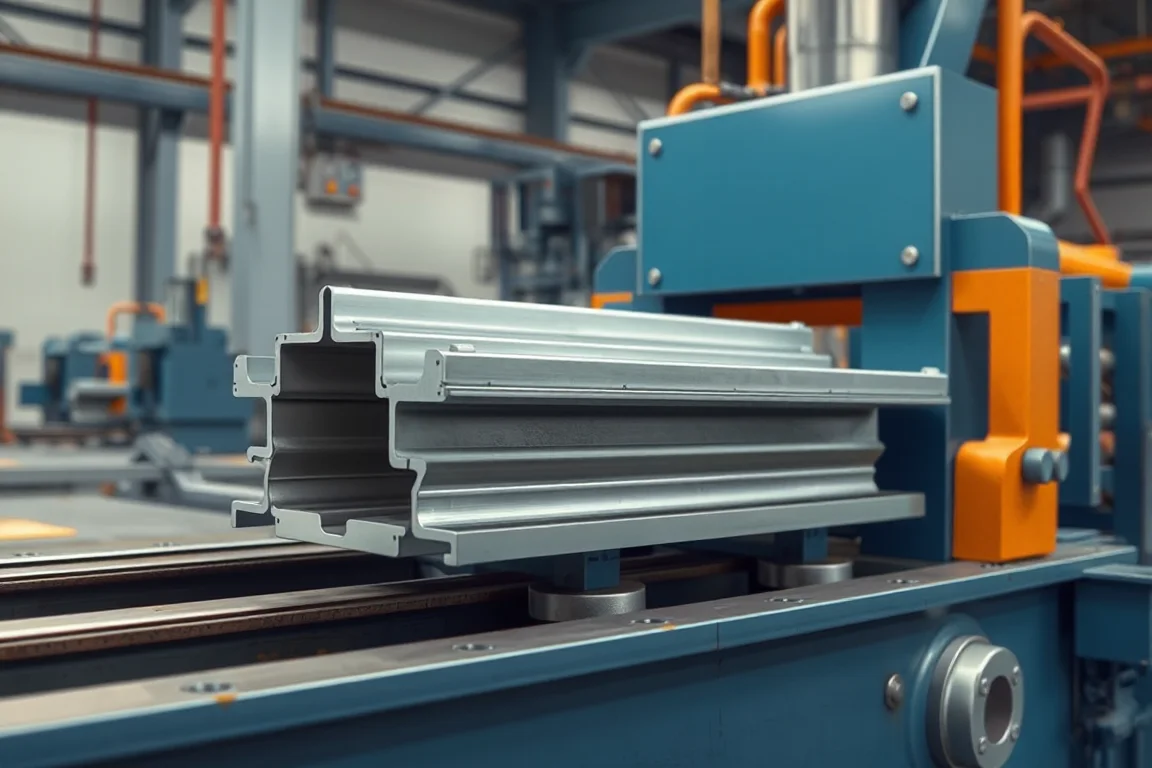
An N deck roll forming machine produces the specified deeper-rib roof-deck section identified as N deck in the target product system. In common North American usage this is associated with a nominal 3-inch depth, but the complete drawing controls rib pitch, widths, angles and side laps. The designation should not be treated as a universal machine specification.
The deeper section changes forming, cutting and handling requirements compared with a shallower deck. Equipment should be evaluated through the actual material and lap construction, with structural-product design and qualification kept separate from the machine's manufacturing trial.
Which N-deck geometry must be defined?
Show rib depth, spacing, upper and lower widths, web angles and terminal edges. Identify effective cover and the selected lap. Include the dimensional conventions used for inspection so supplier and buyer measure the same section consistently.
Where the product must match existing deck, provide approved samples and the relevant system drawing. Similar depth alone does not establish matching ribs or lap engagement.
What changes compared with B deck?
The depth and rib geometry differ, so the developed strip requirement, roll progression and cutoff support need their own design. Do not assume that a B-deck line becomes an N-deck line through one height adjustment.
If both are required, request an explicit profile-change scope. Identify rolls, guides, cutoff components, feature tools and discharge changes. Compare the complete transition rather than only the main tooling exchange.
How should the deeper ribs be formed?
The progressive sequence develops the webs and flats while maintaining the intended section and terminal geometry. The supplier should review the actual grade, thickness and strip width together. A deep profile in a different material can be a different forming case.
Ask how the proposed route manages entry preparation and final section control. The equipment schedule should explain any additional features or correction stages without relying on generic claims about heavy-duty construction.
Which side-lap and optional features are required?
Specify the exact lap construction and its joining reference. If the product includes venting, perforations or other features, define their patterns and locations. Their presence can alter both the equipment scope and the production cycle.
- Draw both terminal edges before joining.
- Show the assembled cover relationship.
- Identify feature-free zones where required.
- Include the intended joining or mating reference.
- Separate cellular or liner assembly from basic deck forming.
A plain-sheet demonstration does not approve a feature-rich or assembled deck variant. Each deliverable should be stated clearly in the trial plan.
What does cutoff need to prove?
Check the rib shape and terminal edges near the ends after normal cutting. Deeper profiles need support appropriate to their geometry. Inspect squareness, burr condition and local crushing or flare separately from the interior section.
Include representative short and long pieces. Short deck can behave differently during transfer, while long sheets need a supported path and sufficient discharge space. The trial should reflect the actual order range.
How should material approval be recorded?
Pair steel grade, base-metal thickness and coating or finish with each N-deck variant. Retain coil identification and the agreed incoming-strip requirements. Do not transfer another producer's deck capacities or approvals to the new manufactured product.
Inspect bends and optional feature areas using production-intent material. Select representative combinations across the proposed range. Independent maximum width, thickness and strength values should not be combined into an assumed capability.
How can stacking and logistics affect accepted output?
The package must support the deeper section without distorting ribs or laps. Review nesting, restraints and stack removal with actual trial sheets. A fast former is not useful if discharge repeatedly damages the product or blocks the next sheet.
Measure accepted orders after normal handling. State the length mix, feature operations and included delays. This gives a realistic basis for comparing routes with different automation or profile-change arrangements. Include package identification where several lap variants share the same nominal depth, so the approved sheet remains associated with the correct customer order.
What should an N-deck acceptance trial include?
- Confirm the complete section, lap and material.
- Measure depth, pitch, flats, webs and cover.
- Check cut ends and feature registration.
- Assemble side laps using the intended method.
- Inspect straightness and package condition.
- Demonstrate required changes from another profile.
- Record accepted output and startup scrap.
Use these results to approve manufacture of the specified deck. Structural span, attachment and system-performance conclusions require their own engineering and verification.
Frequently asked questions
Does N deck automatically mean 3 inches?
That is a common market usage, but confirm the actual product drawing. Rib pattern and side-lap details remain necessary even when the nominal depth is known.
Can one line make B and N deck?
It can be proposed where the equipment is designed for both complete profiles. Ask for the full tooling, cutoff and changeover scope and trial the recovered products.
Does deeper deck guarantee a longer span?
No standalone conclusion should be drawn from depth. Material, geometry, support, loading and the approved deck system determine structural suitability.
Are cellular versions included automatically?
No. A cellular construction can require liners and joining operations beyond the formed deck sheet. Define the complete product and equipment boundary.
What is the most useful comparison trial?
A representative N-deck order with actual material, lap, optional features and normal stacking. Include a meaningful profile change if flexibility is part of the purchase decision.
Review the deeper section as a complete route
An N-deck machine should be assessed through geometry, side-lap function and shape-preserving handling. That connects the equipment proposal to accepted structural-deck products rather than a nominal depth alone.

Continue your research
- Floor Deck Roll Forming Machines
- Floor Deck Roll Forming Machine
- Roof Deck Roll Forming Machine
- B Deck Roll Forming Machine
- H Deck Roll Forming Machine
- 1.5 Inch Roof Deck Roll Forming Machine
- How Floor deck roll forming machine Works
- How To Choose a Floor deck roll forming machine
- Floor deck roll forming machine Price: What Affects the Cost?
Configuration & specification inputs
Match the configuration to your section drawing, material and production requirements.
| Parameter | Requirement / confirmation needed |
|---|---|
| Profile geometry | Approved N roof-deck section with controlled depth, rib pattern, terminal edges and cover. |
| Material | Specified steel grade, coating and finish for the selected deeper-deck product. |
| Thickness & grade | Product-specific material-thickness and strip-width combinations confirmed by representative trials. |
| Process route | Coil preparation, progressive deep-deck forming, specified features, supported cutting and stacking. |
| Cutting | Short and long ordered sheets with preserved deep ribs and side laps at their ends. |
| Output | Accepted N-deck orders including features, stack removal and required profile transitions. |
| Electrical supply | Site utilities matched to the full deep-deck forming and handling route. |
| Acceptance | Depth, pitch, flats, webs, joined lap, end condition and undamaged packaged geometry. |