ROLL FORMING SYSTEMS / PROFILE-LED SELECTIONFROM COIL TO FINISHED COMPONENT · EN
ROLLVANTAROLL FORMING SYSTEMS

THE ROLLVANTA TECHNICAL NOTEBOOK

Technical & Buying Guides · Page 3

Practical methods for preparing equipment enquiries, comparing production scope and planning meaningful acceptance checks.

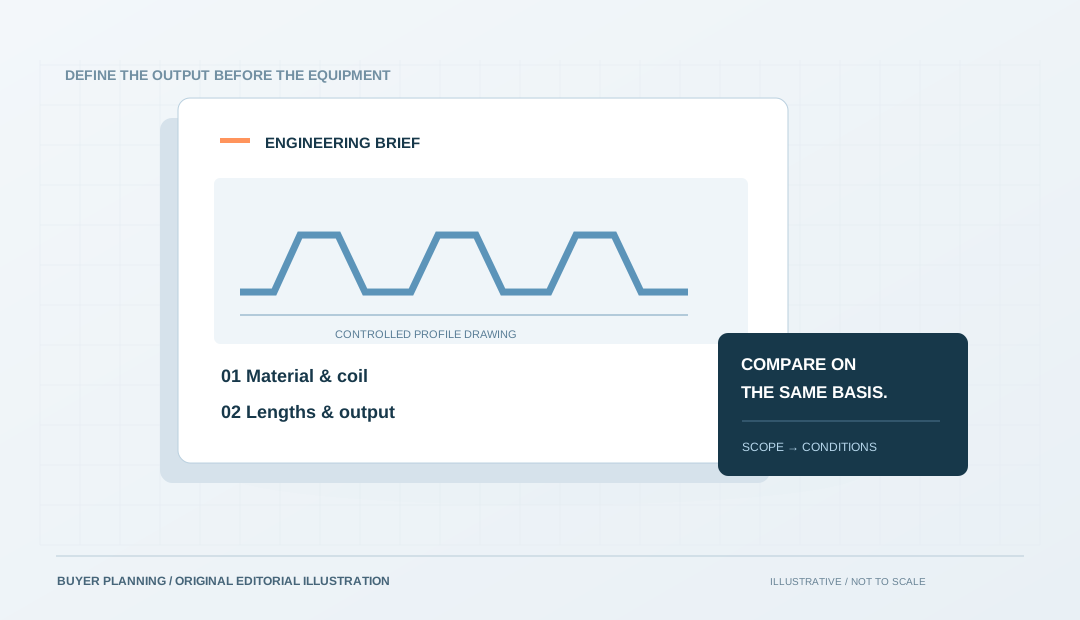
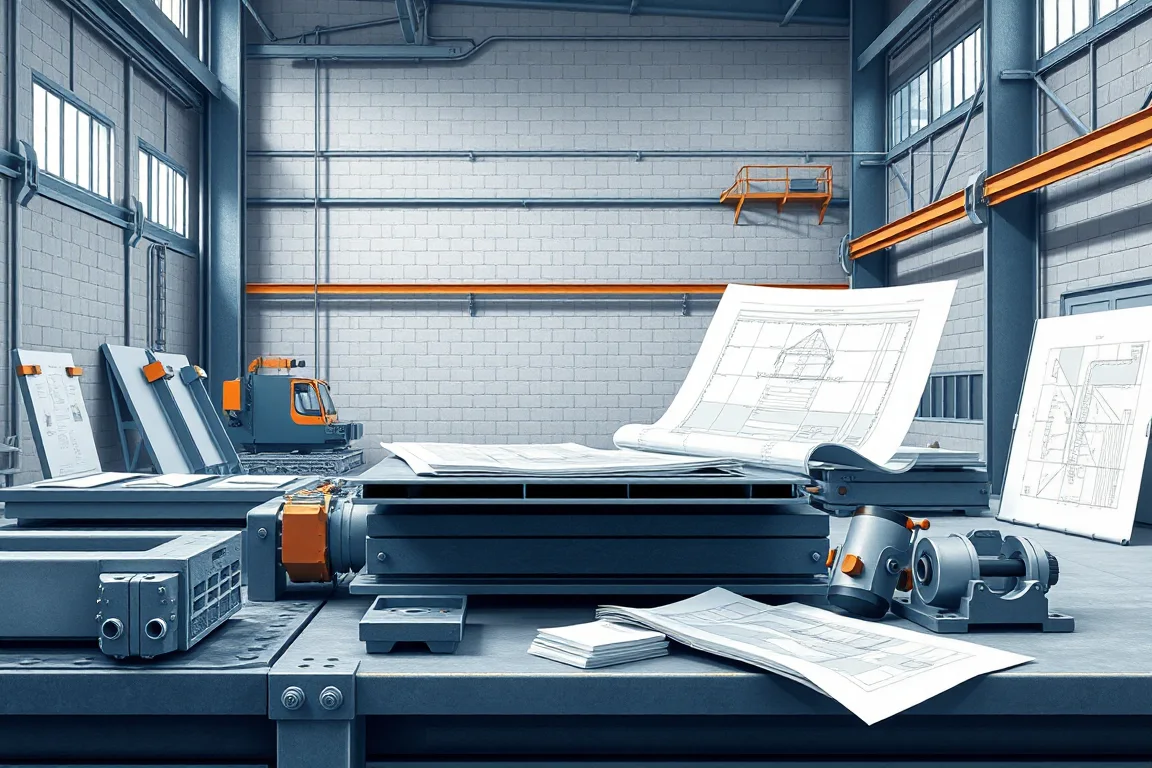
Drawing and production planning illustration

01 / Define the componentGeometry, interfaces and finished-part requirements

02 / Understand the processMaterial, tooling, forming and secondary operations

03 / Compare the complete scopeAccepted output, changeover and inspection

THE ROLLVANTA TECHNICAL NOTEBOOK

Answer the next buying question

Explore each topic in detail. The collection below uses the current published content.

ROLLVANTA / EXPLORE

Materials and Thickness for Automotive roll forming machine

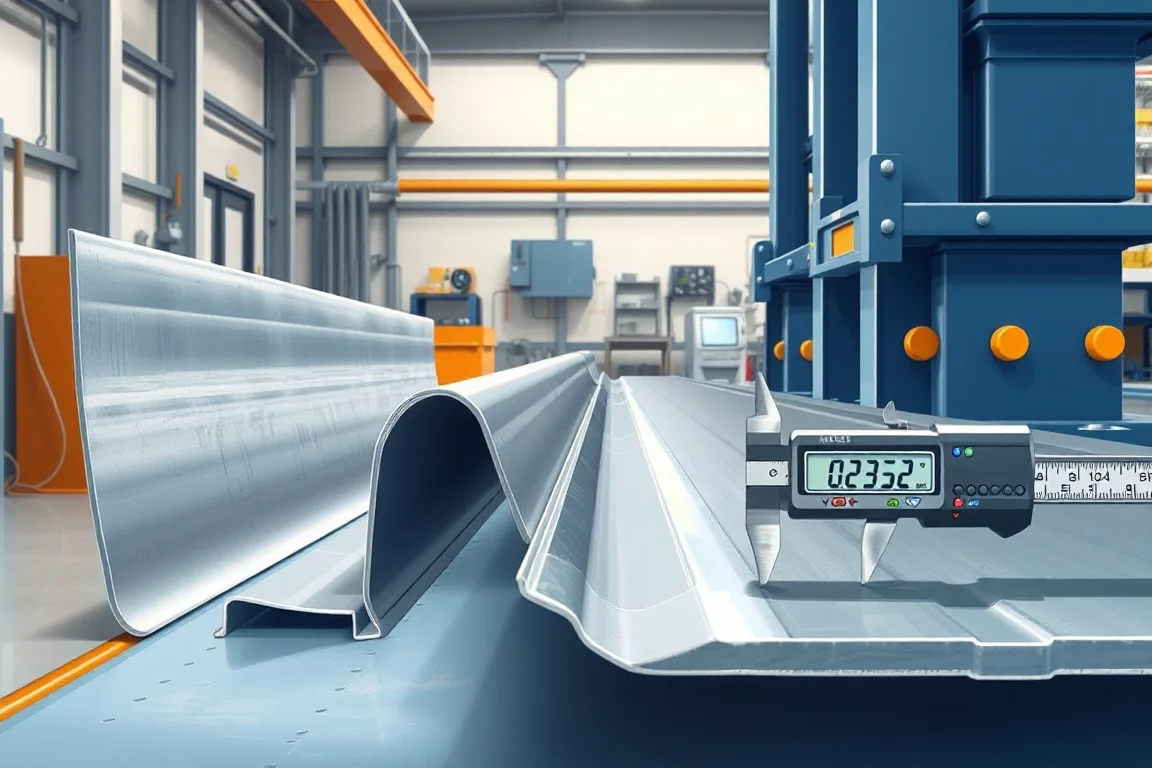
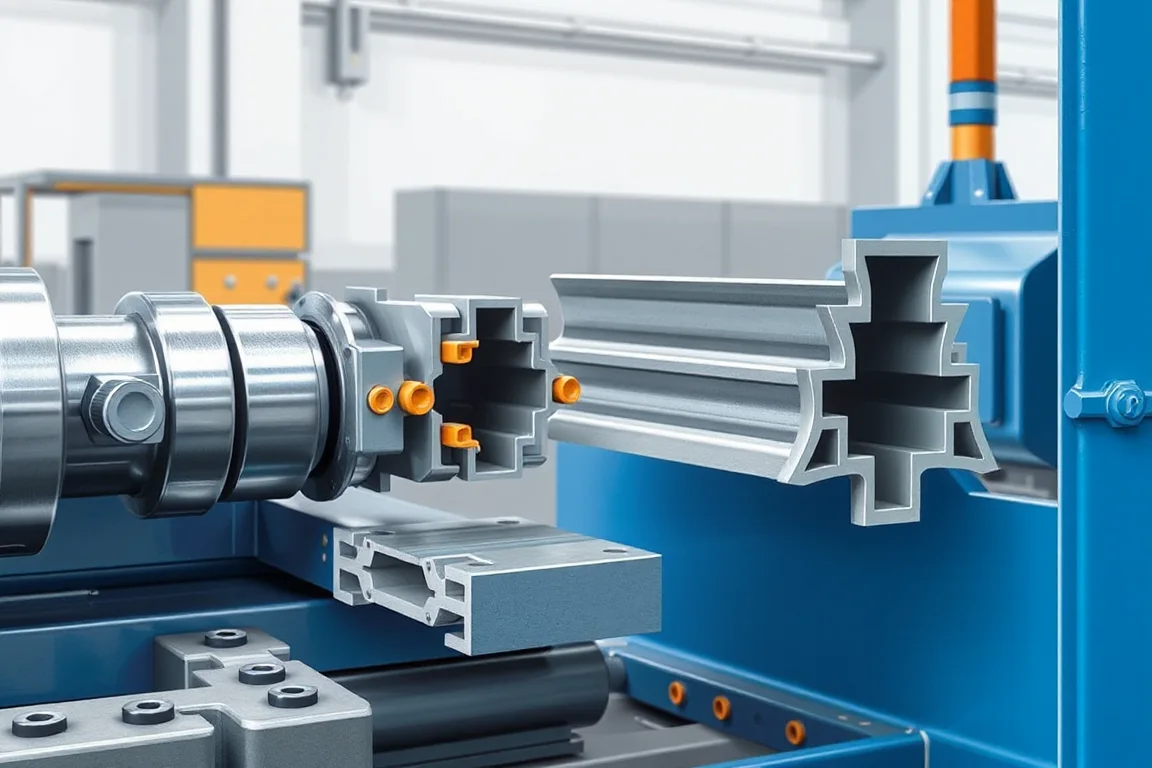
Material grade, strength, thickness and coating choices determine how an automotive roll forming machine must be specified. This guide explains how to define the strip inputs, relate them to section geometry and tooling, structure acceptance testing, and avoid the common error of comparing unrelated maximum capabilities.

Explore the details

ROLLVANTA / EXPLORE

How Automotive roll forming machine Works

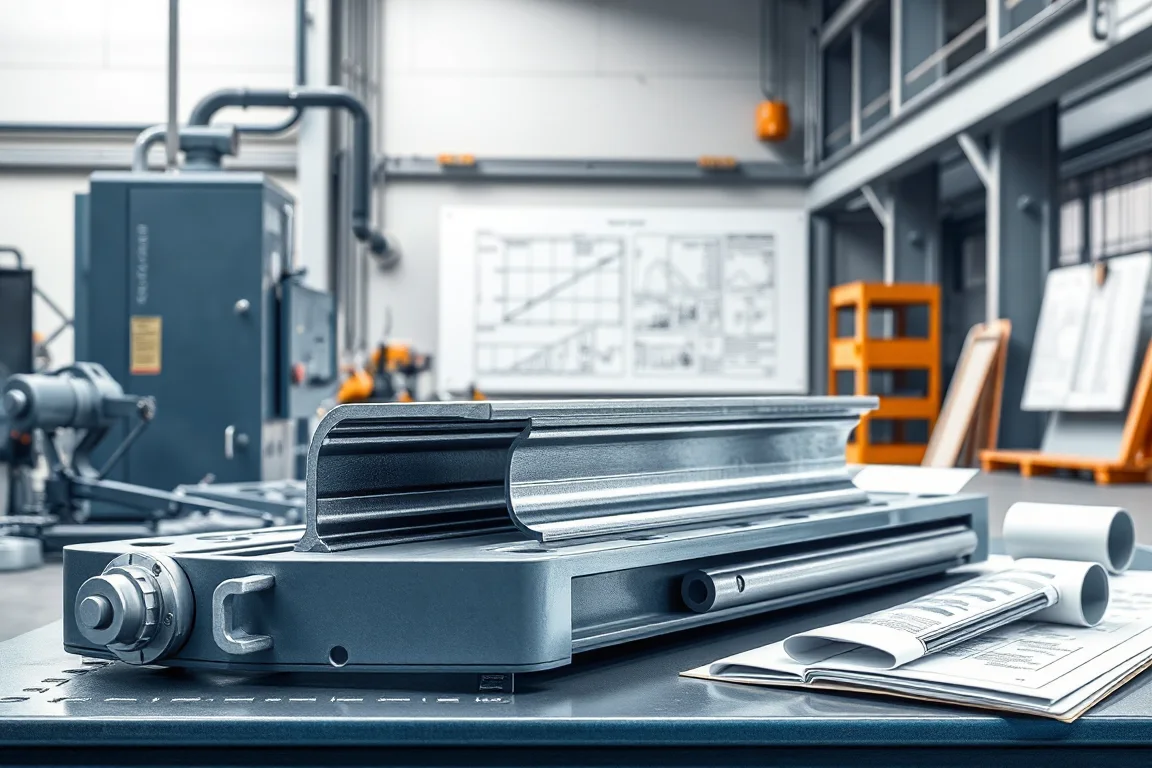
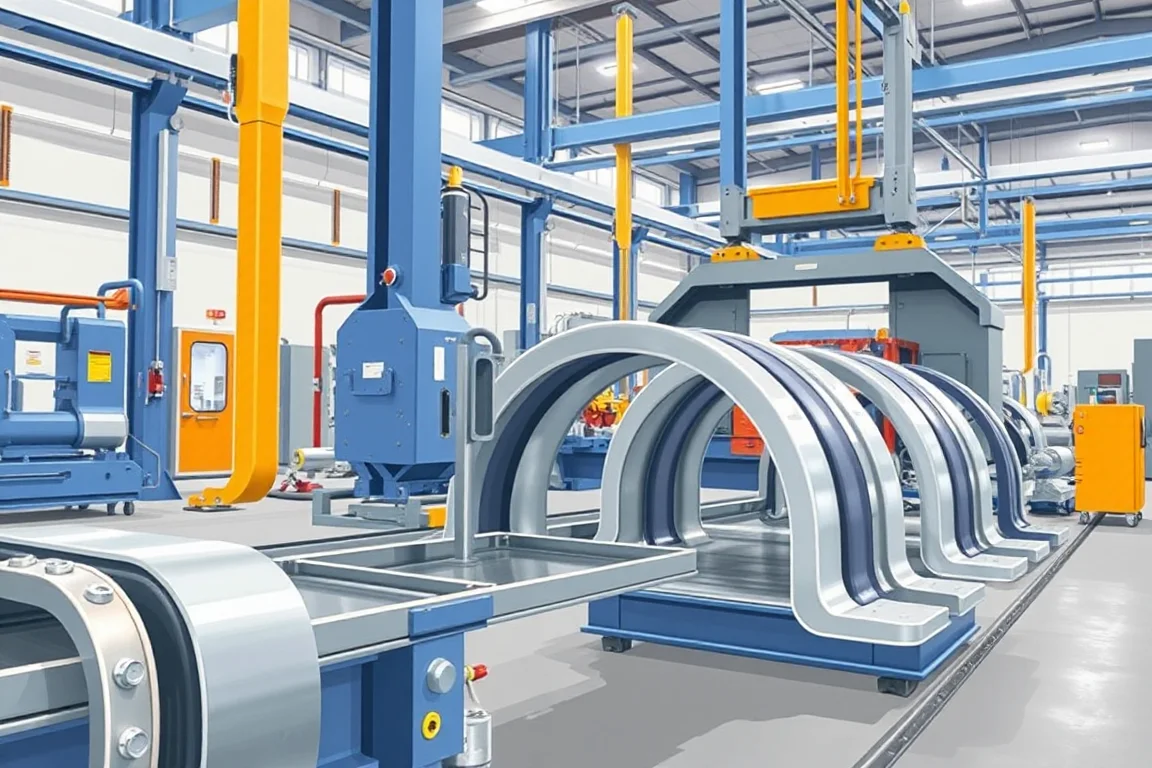
Automotive roll forming transforms coil into structural or trim profiles through a sequence of forming, feature, cut and join stages. This guide explains each process boundary, how to choose integration levels, verify output and troubleshoot without unsafe intervention, helping buyers and engineers align line capability with part requirements.

Explore the details

ROLLVANTA / EXPLORE

Materials and Thickness for Scaffolding roll forming machine

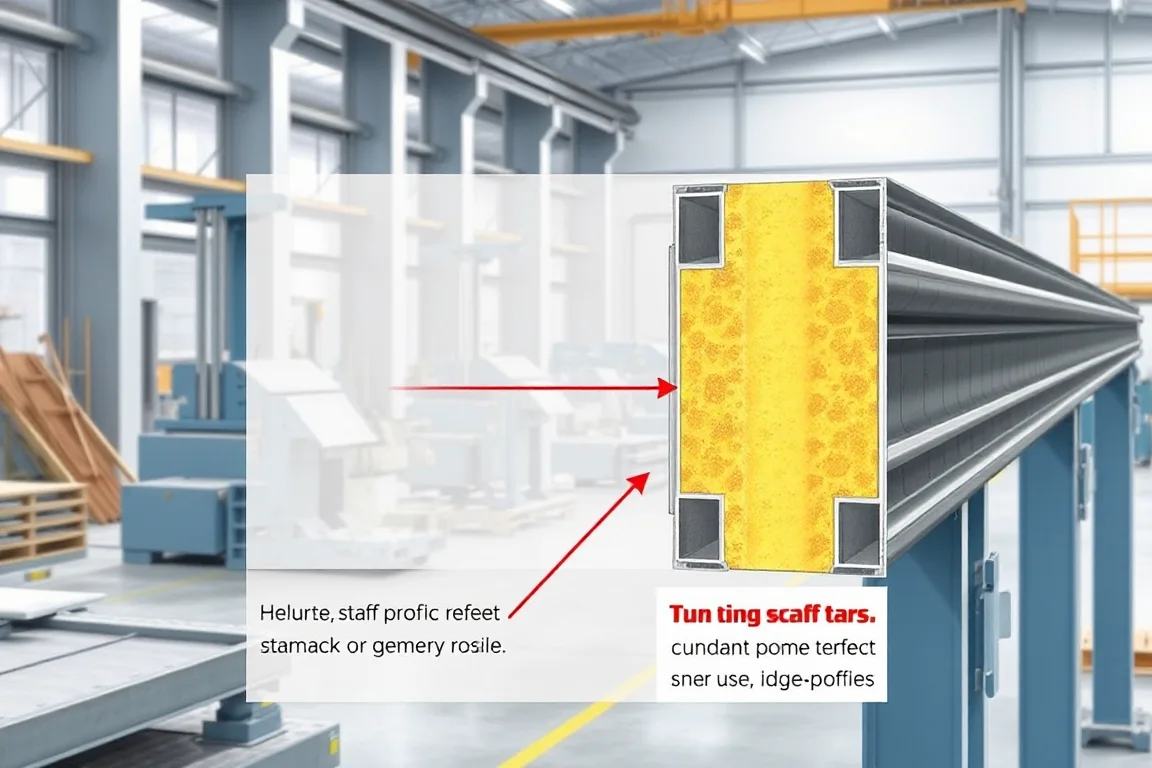
Material thickness on a scaffolding roll forming machine is a system requirement, not a machine label. This guide explains how grade, coating, joining and profile decide what the line must accept, and how buyers can verify the operating envelope without confusing tube-based scaffold components with sheet roll forming.

Explore the details

ROLLVANTA / EXPLORE

How To Choose a Scaffolding roll forming machine

Choosing a scaffolding roll forming machine starts with the approved scaffold-system drawing, not a machine category. Match profile, material, thickness, punching, cutoff and end-fitting steps, then judge quoted scope against accepted finished components per shift.

Explore the details

ROLLVANTA / EXPLORE

How Scaffolding roll forming machine Works

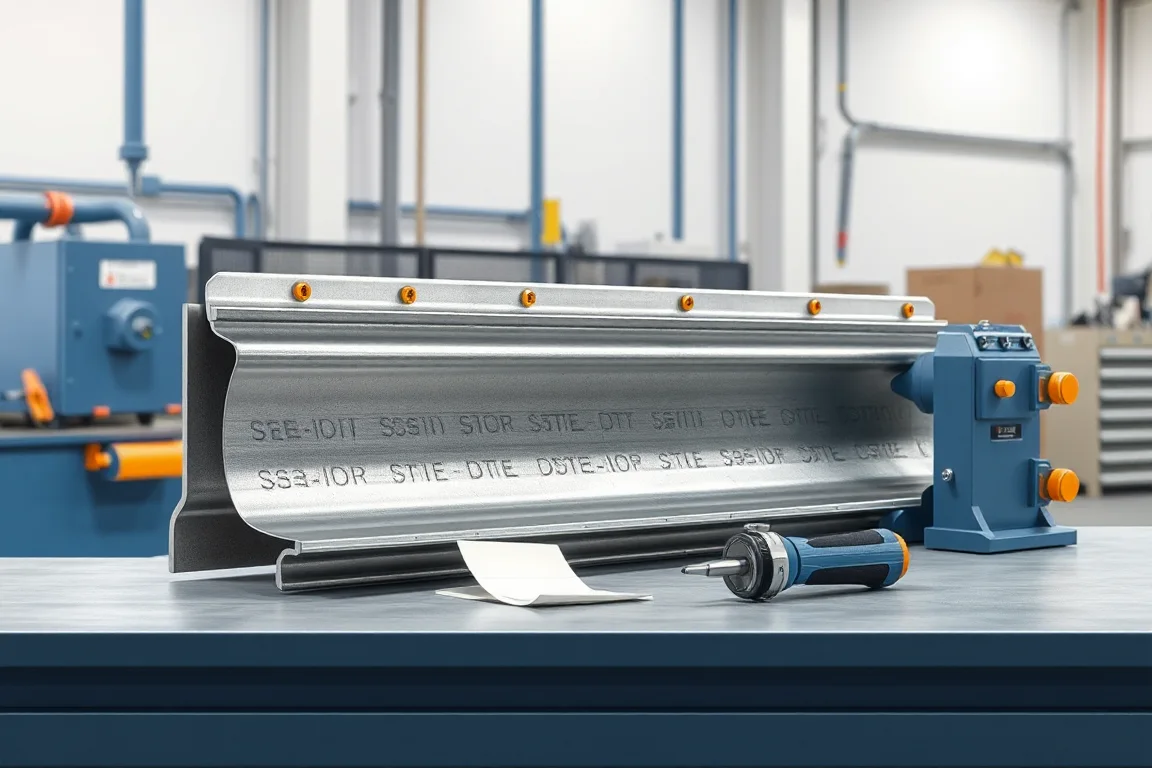
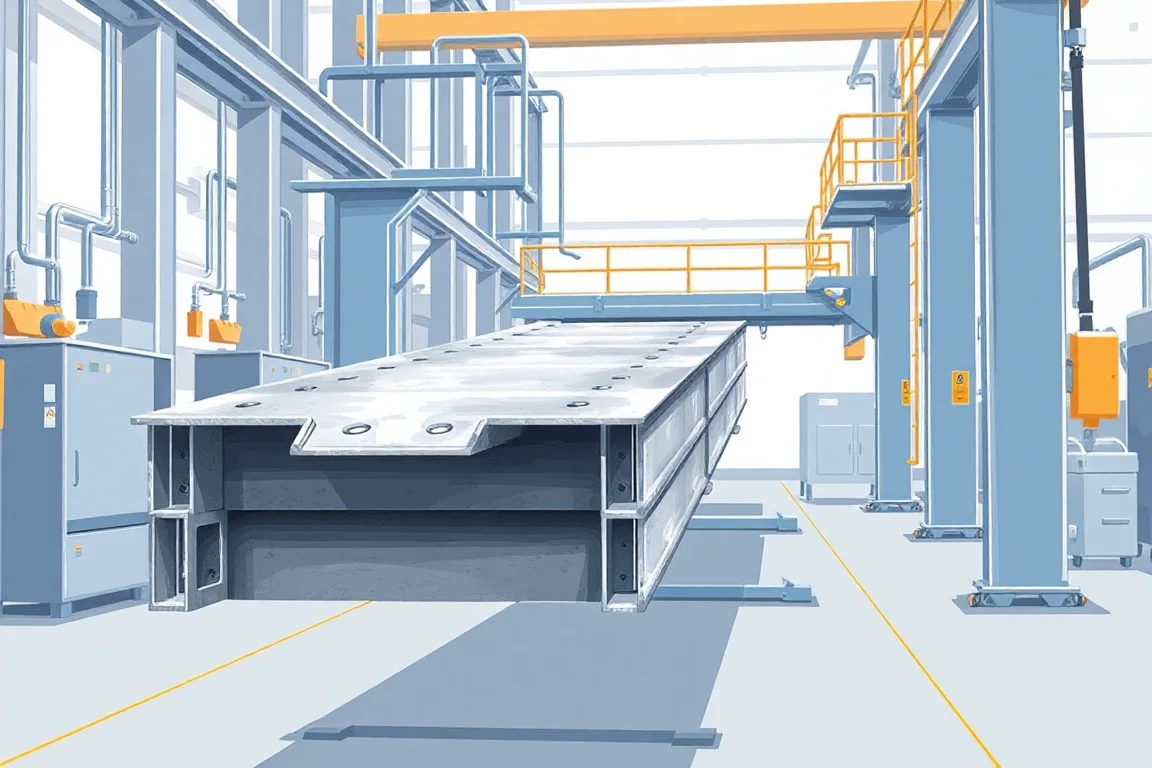
Scaffolding roll forming machines convert steel strip into profiled plank, board and selected scaffold components through sequential forming, punching, embossing and cutoff operations. This guide explains each stage, interface, alternative equipment route, acceptance criteria and practical selection questions for specifying a line.

Explore the details

Use these guides to turn an equipment question into a practical next step. The collection covers profile requirements, materials, line arrangements, production output, quotation scope and acceptance planning across roll-forming equipment families.

Before requesting a quotation

Gather the drawing revision, material combinations, representative order lengths and quantities. Identify holes, notches, mating components and any operations outside the forming line. The more clearly these inputs are described, the easier it becomes to compare proposed equipment on the same basis.

While comparing equipment

Look beyond a single headline speed or machine-only price. Compare the complete process boundary, profile changes, handling arrangement, included tooling and the conditions behind an output figure. Use the family-specific guides to focus on the operations most likely to affect your actual orders.

When planning a production trial

Decide which parts demonstrate the important boundaries of the proposed range. Agree how dimensions, cut ends, finish and mating fit will be checked. Include changeover recovery and handling where they influence whether the finished pieces are usable.

Keep the next decision specific

Read the guide that matches the question in front of you, then record the missing input or test needed to answer it. Browse profiles and applications for a particular component, or use Build Your Production Brief to organize the resulting requirements.

Turn research into a practical brief

Bring your profile.
Clarify your production line.

Organize the drawing, material, product mix and acceptance questions before comparing configurations.

Build a project brief →