ROLL FORMING SYSTEMS / PROFILE-LED SELECTIONFROM COIL TO FINISHED COMPONENT · EN
ROLLVANTAROLL FORMING SYSTEMS

THE ROLLVANTA TECHNICAL NOTEBOOK

Technical & Buying Guides · Page 5

Practical methods for preparing equipment enquiries, comparing production scope and planning meaningful acceptance checks.

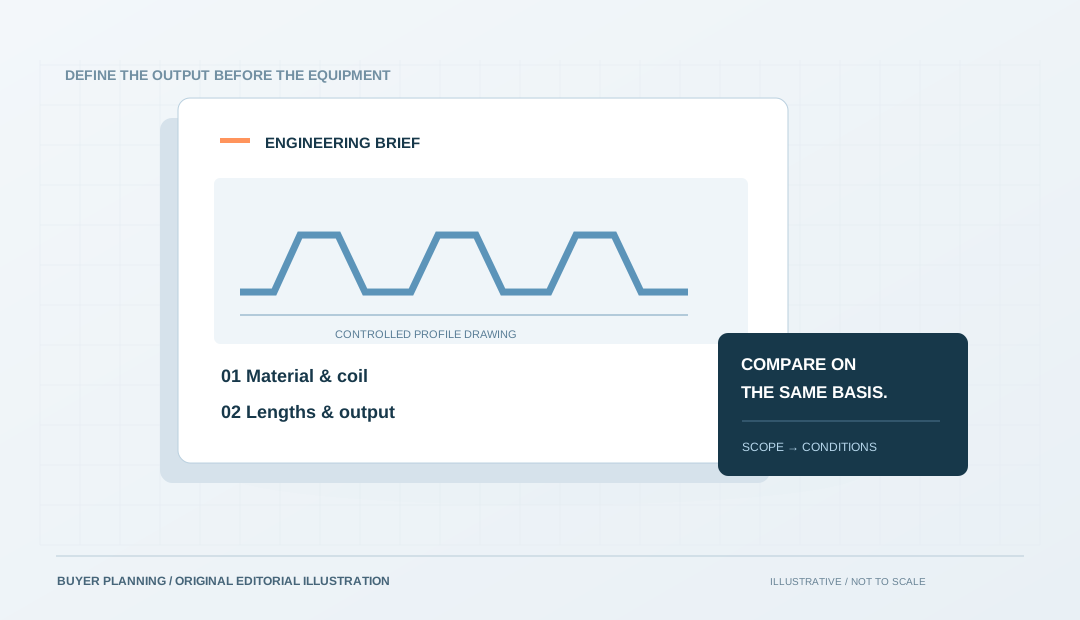
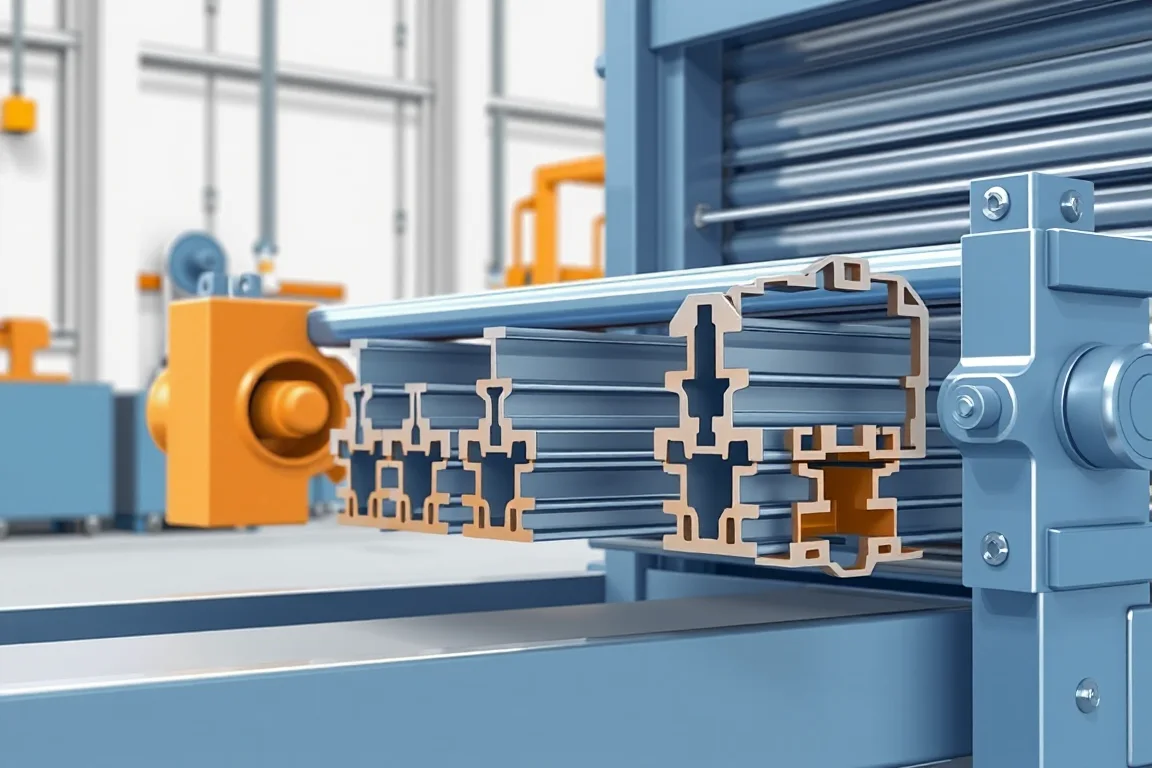
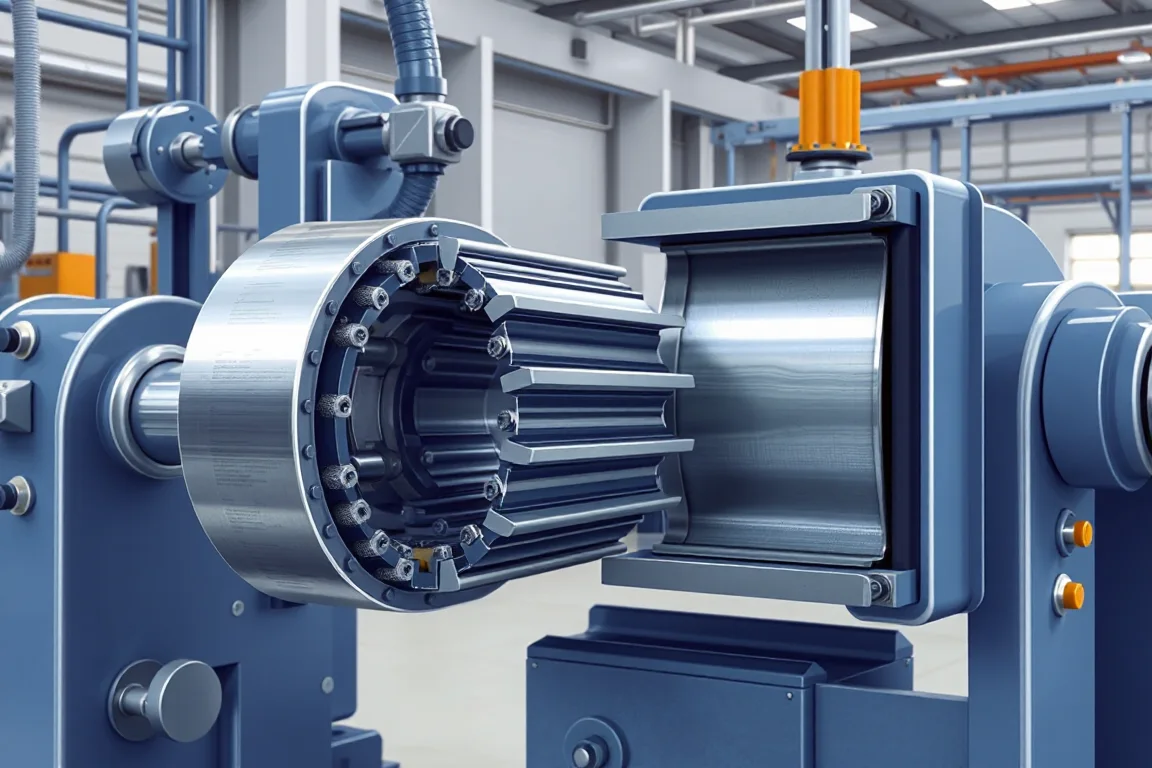
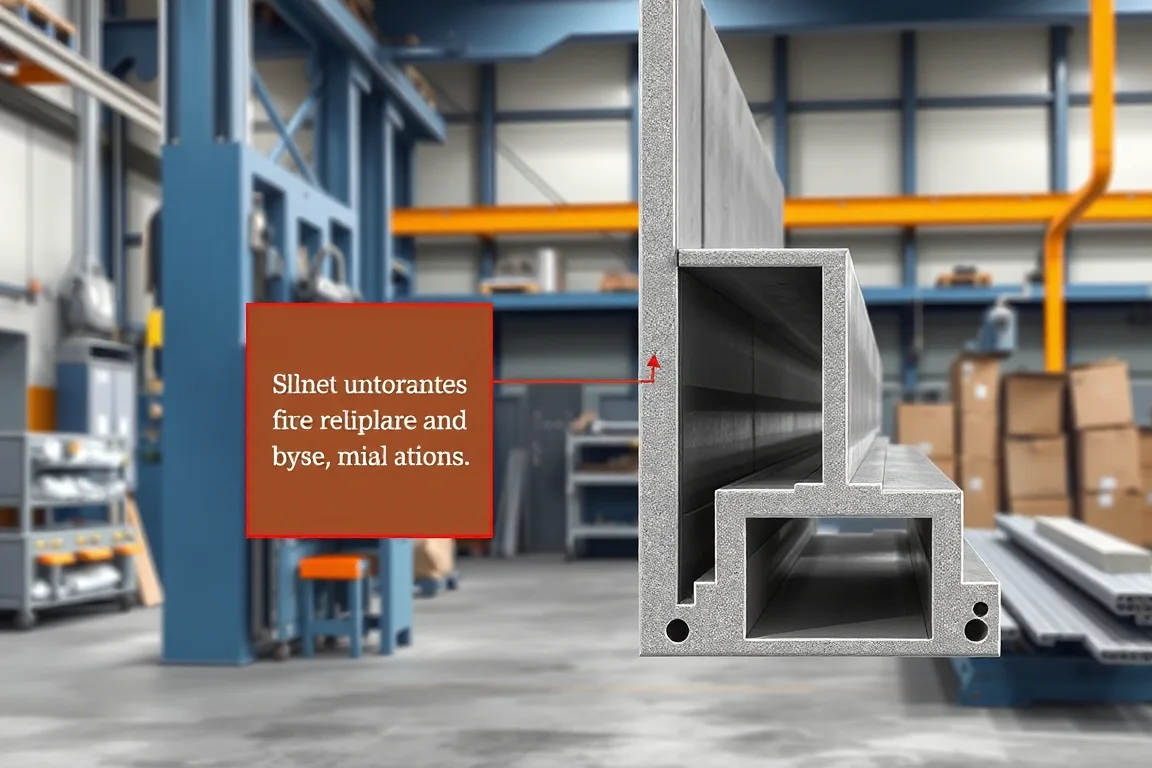
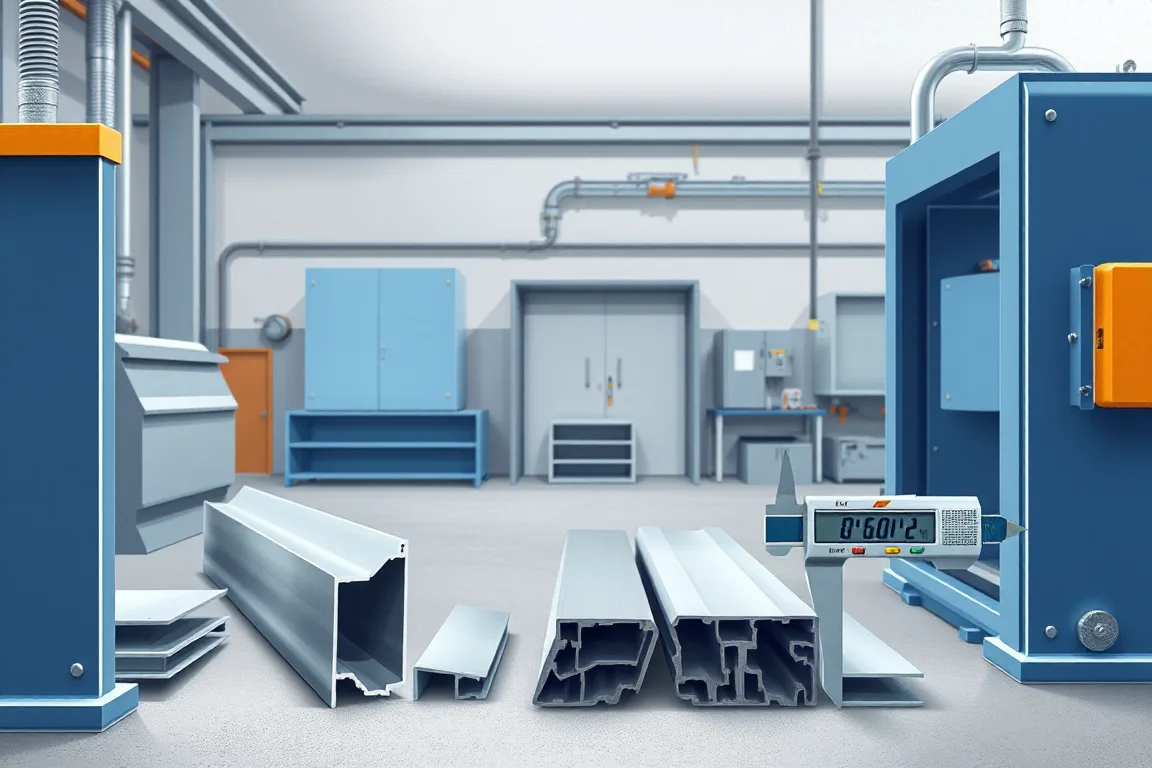
Drawing and production planning illustration

01 / Define the componentGeometry, interfaces and finished-part requirements

02 / Understand the processMaterial, tooling, forming and secondary operations

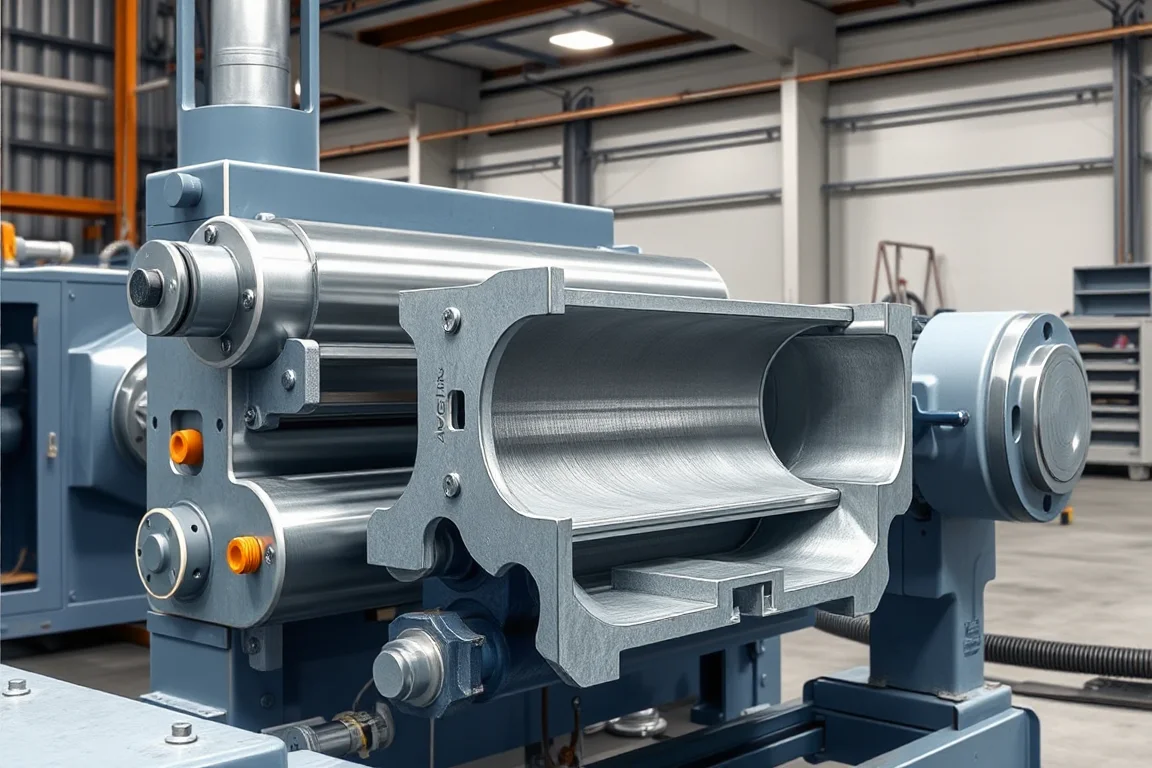
03 / Compare the complete scopeAccepted output, changeover and inspection

THE ROLLVANTA TECHNICAL NOTEBOOK

Answer the next buying question

Explore each topic in detail. The collection below uses the current published content.

ROLLVANTA / EXPLORE

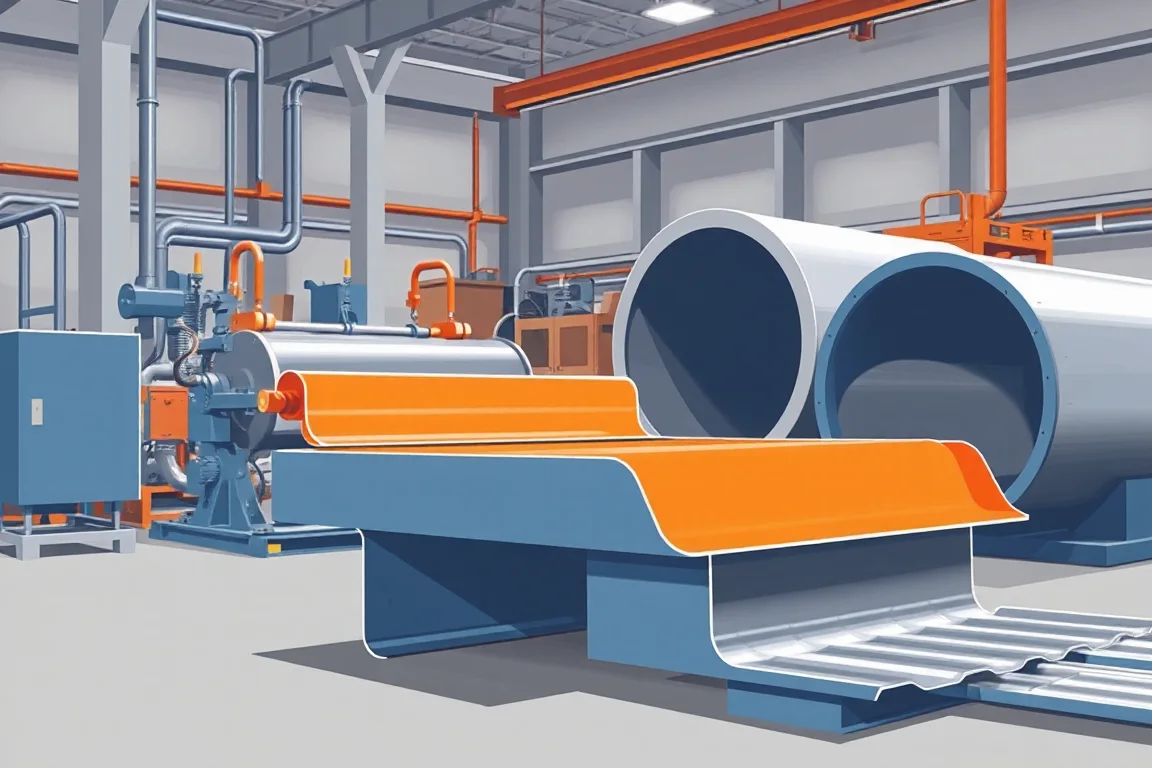
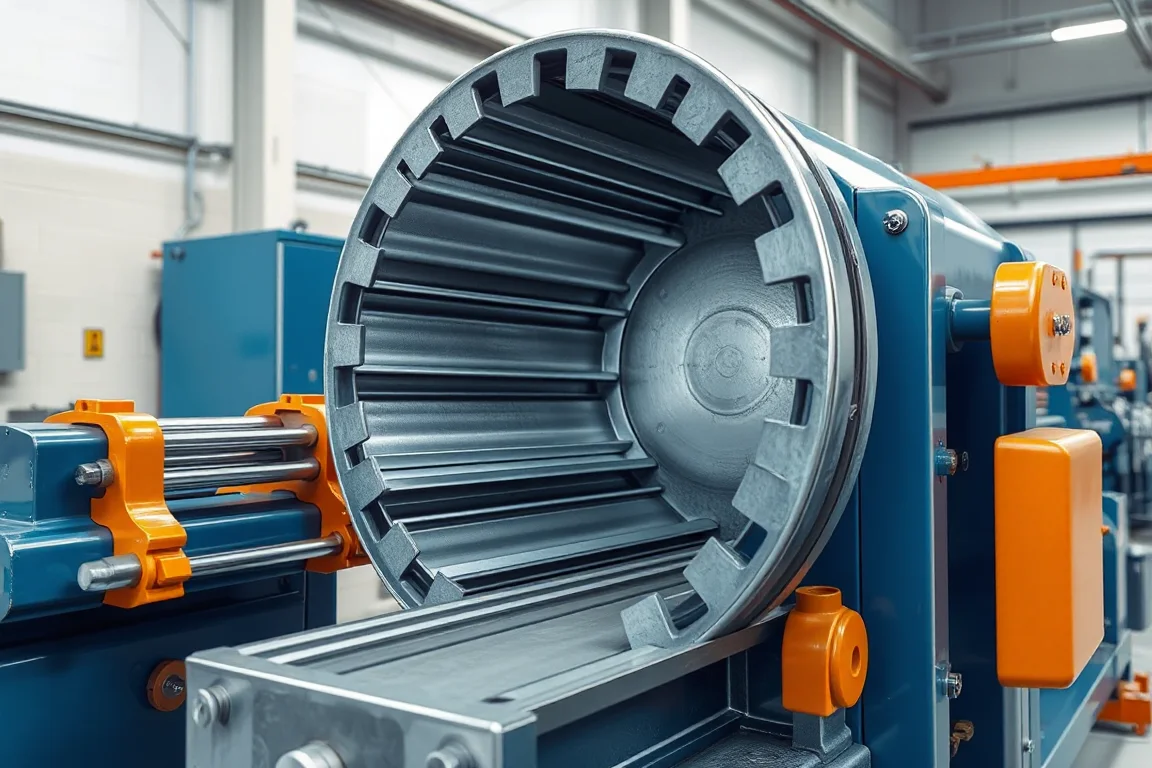
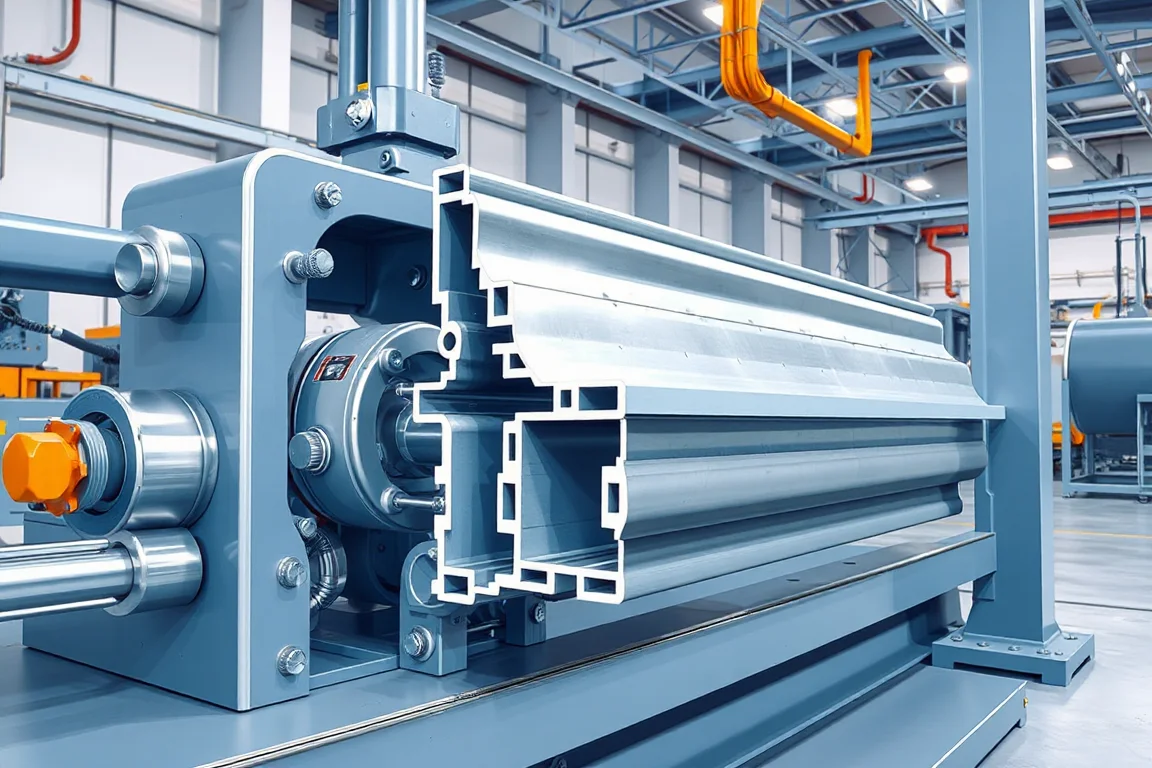
How Gutter roll forming machine Works

This guide explains the sequence of operations in a gutter roll forming machine, the interfaces between coil handling and finished profiles, and the decisions that determine whether a line suits a specific gutter or downpipe drawing. It covers process boundaries, acceptance checks, and common troubleshooting evidence.

Explore the details

ROLLVANTA / EXPLORE

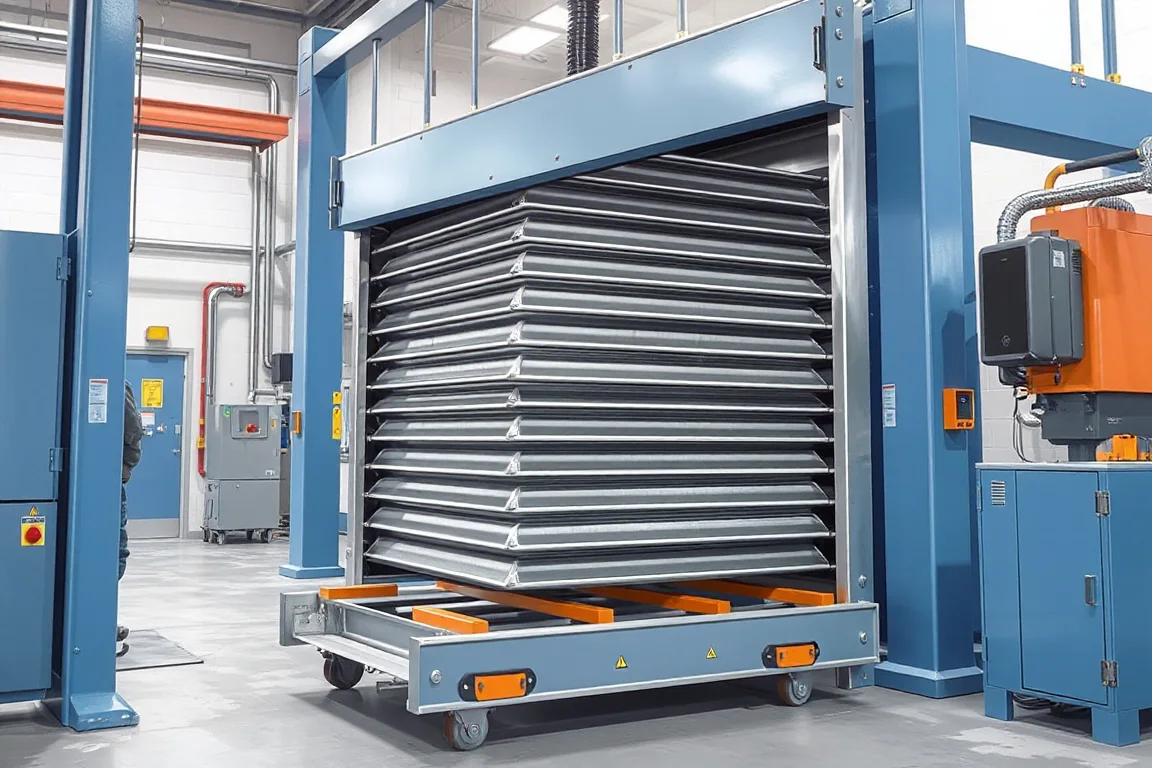
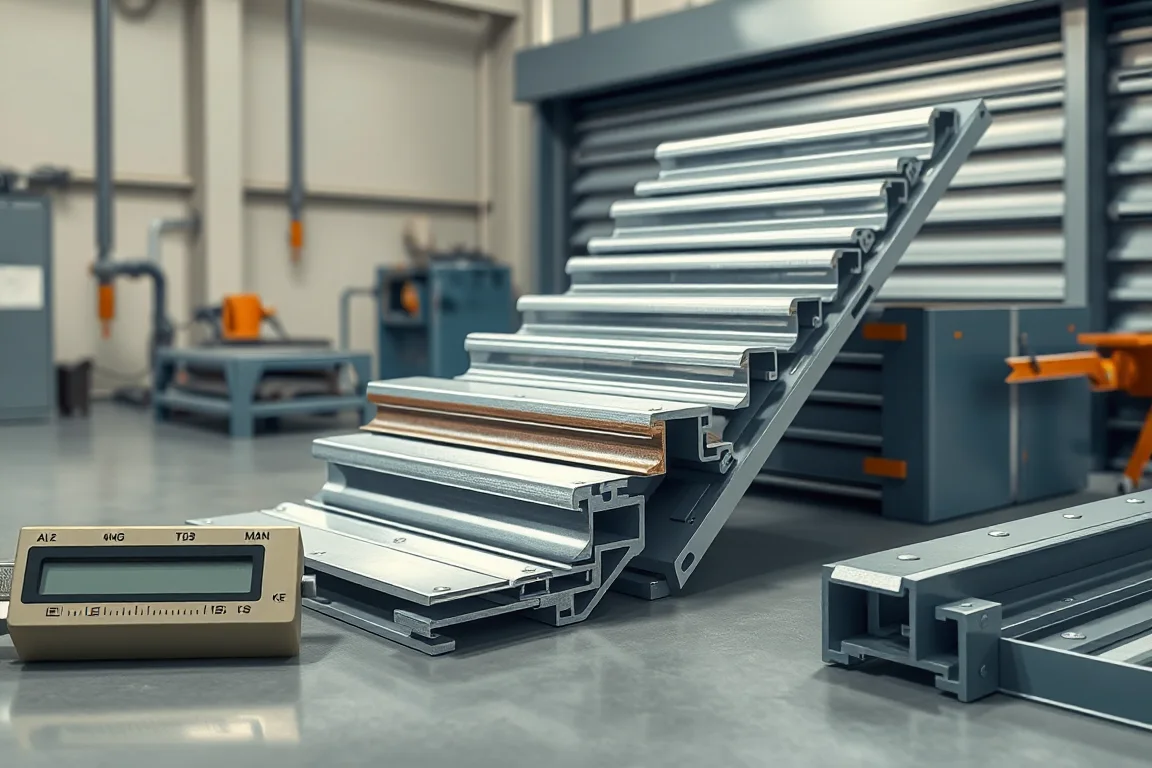
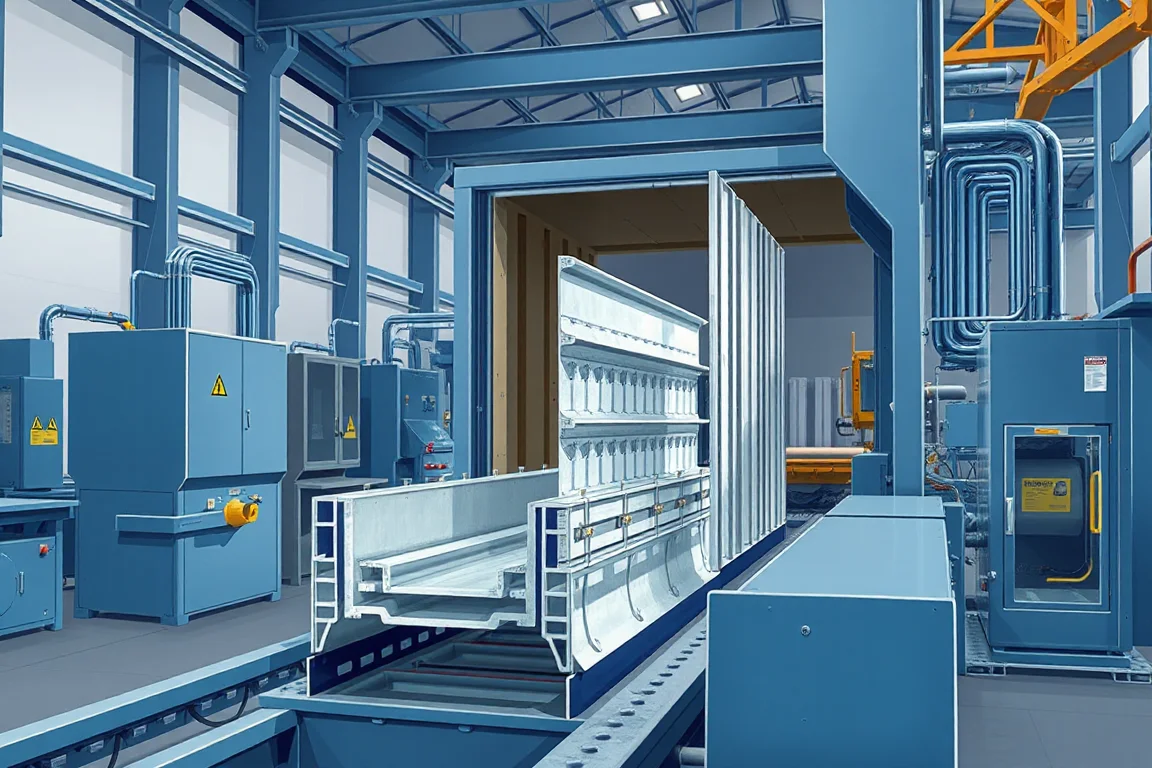
How Roller shutter roll forming machine Works

A roller shutter roll forming machine turns flat coated coil into interlocking slats through a sequence of forming, edge development, optional processing and cutoff, but the curtain only works when slats, guides and end locks are checked as an assembly.

Explore the details

Use these guides to turn an equipment question into a practical next step. The collection covers profile requirements, materials, line arrangements, production output, quotation scope and acceptance planning across roll-forming equipment families.

Before requesting a quotation

Gather the drawing revision, material combinations, representative order lengths and quantities. Identify holes, notches, mating components and any operations outside the forming line. The more clearly these inputs are described, the easier it becomes to compare proposed equipment on the same basis.

While comparing equipment

Look beyond a single headline speed or machine-only price. Compare the complete process boundary, profile changes, handling arrangement, included tooling and the conditions behind an output figure. Use the family-specific guides to focus on the operations most likely to affect your actual orders.

When planning a production trial

Decide which parts demonstrate the important boundaries of the proposed range. Agree how dimensions, cut ends, finish and mating fit will be checked. Include changeover recovery and handling where they influence whether the finished pieces are usable.

Keep the next decision specific

Read the guide that matches the question in front of you, then record the missing input or test needed to answer it. Browse profiles and applications for a particular component, or use Build Your Production Brief to organize the resulting requirements.

Turn research into a practical brief

Bring your profile.
Clarify your production line.

Organize the drawing, material, product mix and acceptance questions before comparing configurations.

Build a project brief →